



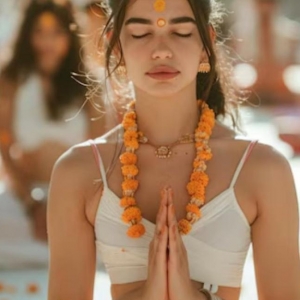





Cooling breath yoga is a powerful yogic breathing practice designed to calm the body, relax the mind, and regulate internal temperature. In today’s fast-paced world, many people experience stress, overheating, anxiety, and mental exhaustion due to demanding schedules and unhealthy lifestyles. Practicing cooling breath yoga can help restore balance by soothing the nervous system and refreshing both body and mind.
Yoga breathing exercises, known as pranayama, play a vital role in improving physical and emotional well-being. Among these practices, cooling breath techniques are especially useful during hot weather, stressful moments, or after intense physical activity. These breathing methods promote calmness, reduce internal heat, and help create mental clarity.
Whether you are a beginner or an experienced yoga practitioner, learning cooling breath yoga can become a valuable addition to your wellness routine.
What Is Cooling Breath Yoga?
Cooling breath yoga refers to a category of pranayama techniques that help cool the body and calm the nervous system. These breathing practices involve controlled inhalation and exhalation patterns that create a cooling sensation and encourage deep relaxation.
The two most commonly practiced cooling breathing techniques in yoga are:
- Sheetali Pranayama
- Sitkari Pranayama
Both methods are known for reducing excess heat in the body and balancing emotions. They are often practiced during warm seasons or after physically demanding yoga sessions.
Unlike energizing breathing exercises such as Kapalabhati or Bhastrika, cooling breath yoga focuses on soothing and calming effects.
Benefits of Cooling Breath Yoga
Regular practice of cooling breath yoga offers numerous benefits for both physical and mental health.
1. Reduces Body Heat
One of the primary reasons people practice cooling breath yoga is to lower body temperature naturally.
During hot weather or after intense exercise, cooling breath techniques help release internal heat and provide a refreshing sensation throughout the body.
People who frequently experience overheating, excessive sweating, or heat sensitivity may find this practice especially beneficial.
2. Helps Relieve Stress and Anxiety
Modern life often creates stress, nervousness, and emotional fatigue. Practicing cooling breath yoga activates the body’s relaxation response.
Slow and mindful breathing calms the nervous system, reduces anxiety, and promotes emotional stability. Many practitioners feel mentally refreshed after just a few minutes of practice.
3. Supports Better Digestion
According to yogic and Ayurvedic principles, excessive body heat can negatively affect digestion.
Cooling breath yoga helps maintain balance within the digestive system and may assist people suffering from acidity, indigestion, or stomach discomfort.
A calm nervous system also improves digestive efficiency.
4. Improves Mental Focus
A restless mind often struggles with concentration. Practicing cooling breath yoga helps quiet racing thoughts and improve mental clarity.
Students, working professionals, and meditation practitioners often use cooling breathing techniques to sharpen focus and improve productivity.
5. Promotes Better Sleep
If stress or restlessness affects sleep quality, cooling breath yoga may help.
Practicing cooling breathing before bedtime relaxes the mind and body, helping prepare for deeper and more restful sleep.
6. Balances Emotions
Yoga philosophy believes emotions are closely connected to breathing patterns.
Cooling breath yoga helps manage emotional reactions such as anger, frustration, irritability, and impatience. By slowing down the breath, practitioners often experience more emotional control and calmness.
7. Supports Overall Relaxation
Even a short session of cooling breath yoga can create a deep sense of relaxation and inner peace.
This practice is particularly useful for individuals dealing with burnout, emotional stress, or mental fatigue.
Types of Cooling Breath Yoga Techniques
Several pranayama methods fall under cooling breath yoga, but the two most common are Sheetali and Sitkari breathing.
Sheetali Pranayama
Sheetali is one of the best-known forms of cooling breath yoga.
In this technique:
- The tongue is rolled into a tube shape
- Air is inhaled slowly through the tongue
- Exhalation occurs through the nose
This creates an immediate cooling sensation throughout the body.
Sheetali is ideal for reducing heat, calming emotions, and refreshing the nervous system.
Sitkari Pranayama
Sitkari is another popular cooling breath yoga method.
In this practice:
- Teeth remain gently closed
- Air is inhaled through the gaps between the teeth
- The tongue rests comfortably inside the mouth
- Exhalation happens through the nose
Sitkari is often practiced by people who cannot naturally roll their tongue for Sheetali breathing.
Both techniques offer similar calming and cooling benefits.
How to Practice Cooling Breath Yoga
Practicing cooling breath yoga correctly is important for gaining maximum benefits.
Follow these steps:
Step 1: Choose a Comfortable Position
Sit comfortably in a peaceful place.
Good seated positions include:
- Sukhasana (Easy Pose)
- Padmasana (Lotus Pose)
- Vajrasana (Thunderbolt Pose)
Keep your spine straight and shoulders relaxed.
Step 2: Relax Your Body
Close your eyes and take a few natural breaths.
Allow tension to release from the shoulders, jaw, and face.
Relaxing first helps deepen the benefits of cooling breath yoga.
Step 3: Begin the Cooling Breath
For Sheetali:
- Roll your tongue into a tube
- Inhale slowly through the rolled tongue
For Sitkari:
- Gently separate the teeth
- Inhale through the spaces between the teeth
Take long, slow breaths.
Step 4: Exhale Through the Nose
After inhaling fully, exhale slowly through both nostrils.
Keep the breath smooth and controlled.
Step 5: Repeat
Practice cooling breath yoga for 5–10 minutes daily.
Beginners can start with 5 rounds and gradually increase with experience.
Best Time to Practice Cooling Breath Yoga
The timing of cooling breath yoga can affect its benefits.
Ideal times include:
Early Morning
Practicing in the morning helps begin the day with calm energy and mental focus.
Evening
Evening sessions help release stress accumulated throughout the day.
Hot Weather
Cooling breathing techniques are especially effective during summer or in warm climates.
After Exercise or Yoga
Practicing cooling breath yoga after intense physical activity helps reduce heat and restore balance.
Before Meditation
Many yoga practitioners use cooling breathing techniques before meditation to quiet the mind.
Cooling Breath Yoga and Ayurveda
In Ayurveda, body constitution is categorized into doshas—Vata, Pitta, and Kapha.
People with dominant Pitta dosha tend to experience:
- Excess body heat
- Irritability
- Inflammation
- Anger
- Digestive discomfort
Cooling breath yoga is especially beneficial for balancing Pitta energy.
Regular practice helps calm internal heat and restore harmony within the body.
Ayurvedic practitioners often recommend cooling pranayama during summer months or periods of emotional intensity.
Common Mistakes to Avoid
Although cooling breath yoga is simple, beginners often make avoidable mistakes.
Breathing Too Quickly
Cooling breathing should always be slow and mindful.
Fast breathing reduces relaxation benefits.
Poor Sitting Posture
A straight spine improves breathing efficiency.
Avoid slouching while practicing.
Practicing in Polluted Areas
Since cooling breathing often involves inhaling through the mouth, avoid dusty or polluted environments.
Choose fresh, clean surroundings.
Over-Practicing in Winter
Because cooling breath yoga lowers body heat, excessive practice during cold weather may create discomfort.
Moderation is important.
Who Should Practice Cooling Breath Yoga?
Almost anyone can benefit from cooling breath yoga, including:
- Yoga beginners
- Busy professionals
- Students under academic stress
- Meditation practitioners
- People experiencing anxiety or anger
- Individuals living in hot climates
However, people with respiratory disorders or chronic medical conditions should seek professional advice before starting.
Precautions for Cooling Breath Yoga
Although generally safe, certain precautions should be followed.
Avoid cooling breath yoga if:
- You have severe asthma
- You are experiencing sinus congestion
- You suffer from low blood pressure
- The weather is extremely cold
Pregnant women and individuals with health concerns should practice under professional supervision.
Adding Cooling Breath Yoga to Your Daily Routine
Making cooling breath yoga part of daily life does not require much time.
A simple daily routine may include:
- Gentle yoga stretches
- Deep breathing exercises
- Cooling breath yoga for 5–10 minutes
- Meditation or mindfulness practice
- Relaxation in Shavasana
Consistency matters more than duration.
Even a few minutes each day can create noticeable improvements in stress management and emotional balance.
Conclusion
Cooling breath yoga is a powerful yet gentle practice that supports relaxation, emotional balance, and physical well-being. Whether you want to reduce body heat, manage stress, improve focus, or simply feel calmer, cooling breathing techniques offer natural and effective support.
The beauty of cooling breath yoga lies in its simplicity. It requires no equipment, little time, and can be practiced almost anywhere. Through regular practice, you may experience better emotional control, improved sleep, enhanced concentration, and a deeper sense of inner peace.
By including cooling breath yoga in your wellness routine, you can enjoy a healthier connection between breath, body, and mind while creating lasting calm in everyday life.