


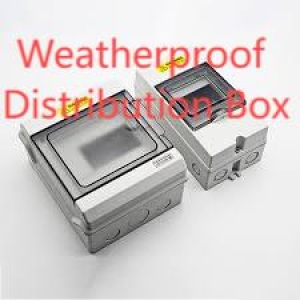






A correctly specified Weatherproof db box protects outdoor electrical systems from moisture, dust, corrosion, and thermal stress, and selecting the right model early prevents costly field failures and repeated maintenance. In many projects the choice of a Weatherproof db box determines long-term uptime because enclosure sealing, material selection, and internal layout directly affect thermal behavior, ingress protection, and the ease of future upgrades.
Assessing site conditions and risk tolerance
Begin every specification with a thorough site survey. Identify exposure to driving rain, salt spray, airborne dust, UV radiation, and mechanical hazards such as impact or vibration. Coastal sites demand corrosion-resistant metals and stainless fasteners; sun-exposed roofs benefit from reflective finishes or UV-stabilized polymers. Also catalog load types — low-voltage communications, high-current feeders, or mixed circuits — because heat-generating components require different internal clearances and thermal paths. Establishing clear risk tolerances informs IP/IK targets and reduces the chance of under-specifying a critical installation.
Materials, finishes, and mechanical resilience
Material science is the backbone of long-lived enclosures. High-quality thermoplastics resist corrosion and reduce weight, while powder-coated aluminum and stainless steel offer excellent impact resistance and thermal conduction. Choose gaskets rated for repeated compression cycles and resistant to ozone, oils, and chemical cleaners when installations face industrial contamination. Reinforced hinges, captive fasteners, and tamper-resistant locking hardware increase mechanical security and prevent unauthorized access. Where physical abuse is likely, ribbed wall sections and thicker flange designs prevent deformation and preserve internal volume.
Thermal control and condensation management
Electrical components are sensitive to elevated temperatures and condensation. Passive strategies include conductive mounting plates to spread heat, reflective external finishes to cut solar gain, and pressure-equalizing breather membranes to prevent vacuum-driven moisture ingress. For higher loads integrate thermostatically controlled vents or low-power fans that maintain temperature without compromising ingress protection when closed. When designing internal layouts, separate heat-generating devices from sensitive electronics and provide clear airflow channels to avoid hotspots that accelerate aging and reduce reliability.
Nante Modular Series: installer-friendly configurations
Modularity reduces onsite labor and future-proofing headaches. The Nante Modular Series demonstrates how interchangeable mounting plates, plug-in accessory trays, and removable gland plates simplify wiring changes and expansions. Pre-wired compartments for surge protection or monitoring modules let installers add intelligence without opening the main enclosure, preserving seals. Split-entry gland options and strain-relief channels enable retrofit work without disturbing existing terminations, minimizing exposure and preserving the box’s rated performance during upgrades.
Cable management, sealing strategy, and field modifications
A long-lasting seal relies on correct cable entry methods. Use multi-lip gaskets, compression-controlled latches, and purpose-fit cable glands to maintain consistent compression across many access cycles. Plan knockout patterns and use removable gland plates to avoid ad-hoc drilling that compromises ratings. Specify strain-relief to prevent conductor fatigue and maintain proper bend radii to reduce mechanical stress on terminations. Document approved field-modification procedures so technicians follow methods that retain ingress protection rather than unintentionally degrading it.
Testing, certification, and practical documentation
Insist on test evidence at procurement: IP and IK test reports, UV-aging certificates, salt-spray corrosion results, and thermal-rise data under expected load conditions. Provide installers with CAD files, torque charts, and wiring templates to reduce onsite errors. Batch traceability and serialized labels simplify warranty handling and large-fleet asset tracking. Clear maintenance schedules and spare-part lists enable facility teams to plan preventive work and avoid emergency replacements.
Lifecycle thinking and sustainability
Design choices that favor repairability and reuse reduce total cost of ownership and environmental impact. Specify replaceable gaskets, standardized fasteners, and modular internals so the housing can be refreshed without full replacement. Where possible, choose recyclable materials and minimize mixed-material assemblies that complicate end-of-life recycling. Offering spare-part kits and refurbishment services supports circular procurement practices for campuses and municipal buyers.
Installation best practices and common pitfalls
Ensure mounting surfaces are flat and rigid to prevent stress concentrations; check gland torque after thermal cycles; and separate high-current feeders from sensitive signal wiring to avoid electromagnetic interference and heating issues. Plan for routine visual inspections after severe weather events and schedule gasket replacements at recommended intervals to preserve ingress protection.
A thoughtfully engineered Weatherproof db box combines rugged materials, intelligent thermal design, and service-oriented features to protect electrical assets and reduce lifecycle costs. For detailed specifications, accessory options, and distributor contacts, visit www.nante.com