


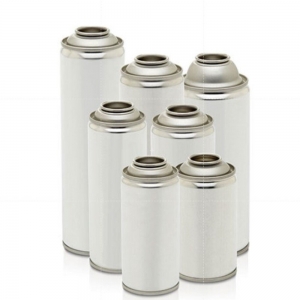




Walk past any beauty counter these days and you hear the same conversation: people asking for refills of their favorite mist or dry shampoo instead of buying another can. Social media overflows with videos of consumers proudly topping up aluminum bottles at zero-waste stations. This shift forces everyone in personal care to rethink one familiar item: the Aerosol Can .
Deep in research labs and brand meetings, teams now evaluate every aerosol can not just for how it performs today, but for how it behaves when someone reuses it tomorrow. Traditional cans were designed for single use: fill once, spray until empty, recycle. The moment someone tries to repressurize them at home or in a store, hidden weaknesses appear. Valves loosen, seams strain, and safety margins disappear.
Retailers testing refill programs notice the difference immediately. Some cans accept a new charge smoothly and spray exactly like new. Others hiss, leak propellant around the valve, or refuse to hold pressure at all. The cans that work share thoughtful engineering details most shoppers never see: stronger mounting cups, reinforced valve crimps, and materials chosen for repeated stress cycles.
Material choices matter more than ever. Standard aluminum works fine for one lifetime, yet repeated heating during refilling can soften thin walls over time. Thicker gauges or specific alloy blends maintain shape and strength through many cycles. Brands adopting these options discover their cans survive transport to refill stations and back home without dents that compromise safety.
Valve compatibility sits at the heart of the reusable revolution. Not every valve tolerates removal and reinsertion of charging adapters. Some gaskets harden after the first recharge, others swell and block smooth actuation. Special valve designs now exist that keep seals flexible and stems centered even after dozens of refill operations.
Recycling streams also influence new aerosol can development. Municipal facilities struggle to separate painted or coated cans from clear aluminum. Brands moving to uncoated or lightly lacquered cans help sorters achieve cleaner material recovery. The same cans often look premium on shelf while flowing more easily into established aluminum loops.
Temperature exposure during global shipping adds another layer. Cans sitting on hot docks or cold warehouses face pressure changes that test every weld and crimp. Reusable versions must withstand these extremes repeatedly without microscopic cracks forming at stress points. Design teams now simulate years of real-world abuse before approving any can for circular programs.
Child-resistant requirements evolve alongside sustainability goals. Refill stations need cans that stay safe for homes with kids while still allowing trained staff or careful adults to recharge them. Clever mounting cup and actuator combinations meet both needs without forcing consumers to choose between green packaging and family safety.
Brand owners watch return rates closely when launching refillable lines. Cans that leak after the second or third refill create negative experiences that spread quickly online. The few aerosol can designs earning praise in pilot programs share one trait: they perform reliably long after the original factory fill.
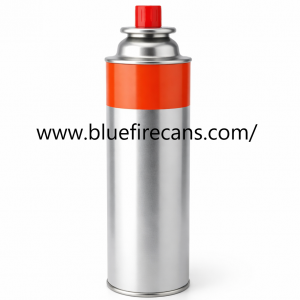
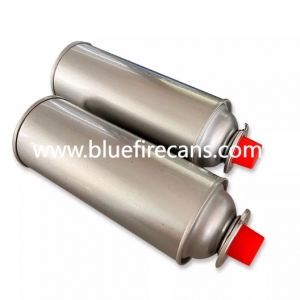
Bluefire has stepped into this space with cans specifically prepared for repeated use. Their aluminum bodies and matched valve systems appear in several refill trials currently running in Europe and North America. Consumers using these cans report consistent spray performance and no messy leaks at charging stations.
Formulators appreciate that the same cans work with both traditional propellants and newer compressed air or nitrogen options. Switching gases becomes simpler when the can itself places no restrictions on what goes inside. This flexibility lets brands respond quickly to regional regulations or consumer preferences for specific propulsion methods.
Cost conversations inevitably arise. Reusable cans require slightly more material and tighter manufacturing tolerances, yet brands discover the investment pays off through customer loyalty and reduced packaging spend over time. One satisfied refill customer replaces many single-use purchases.
Store layout changes reflect the growing reality. Forward-thinking retailers dedicate shelf space to durable cans positioned next to refill dispensers. The cans need to look appealing when empty and waiting for their next charge, not battered or cheap. Premium finishes and clean designs encourage people to treat them as keepers rather than disposables.
For companies planning their first refillable spray product, choosing the right aerosol can removes half the technical risk. Early adopters already prove that consumers willingly bring cans back when the experience feels seamless and safe. Teams ready to build packaging that matches tomorrow's expectations find practical options at https://www.bluefirecans.com/ . Samples designed for refill cycles and detailed material guidance help brands launch sustainable lines that actually work in real stores.