










A common question in sexual health care is, Are STD Tests Different for Men and Women? Understanding the differences can help individuals prepare for testing and ensure accurate results. Men and women may undergo different testing methods depending on anatomy and the type of infection being screened. Whether visiting an STD clinic or an STD testing clinic Dubai, it is important to know what tests are recommended, how samples are collected, and how treatment is approached. This knowledge reduces anxiety, encourages timely screening, and promotes responsible sexual health practices.
What Is STD Testing, Treatment, and How It Works?
What STD Testing Is:
STD testing involves detecting infections caused by bacteria, viruses, or parasites through blood, urine, or swab samples. While some tests are common for both sexes, anatomical differences can affect sample collection methods and test accuracy. Testing is critical even for asymptomatic individuals, as many STDs do not show early signs but can lead to serious health complications if untreated.
How Treatment Works:
Treatment depends on the type of infection. Bacterial infections, such as chlamydia or gonorrhea, are typically treated with antibiotics, while viral infections like HIV or herpes focus on symptom management and reducing transmission. Early detection allows for effective treatment, preventing long-term complications and protecting sexual partners.
Importance of Treatment:
Prompt treatment is vital to prevent serious health issues such as infertility, chronic pain, or systemic infections. Treating infections early also minimizes the risk of spreading STDs to others and encourages responsible sexual behavior. Understanding the treatment process helps individuals take testing seriously and follow up appropriately.
Types of STD Tests for Men and Women:
Blood-Based Tests:
Blood tests are commonly used for both men and women to detect:
-
HIV
-
Syphilis
-
Hepatitis B & C
-
Certain cases of herpes
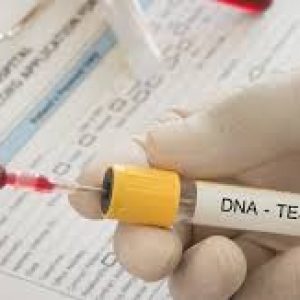
Blood tests are minimally invasive, requiring a small sample via needle, and are highly accurate for detecting systemic infections.
Urine-Based Tests:
Urine tests are non-invasive and detect bacterial infections such as:
-
Chlamydia
-
Gonorrhea
-
Trichomoniasis
Men typically provide a urine sample after a period of not urinating, while women may need additional vaginal swabs to improve accuracy. Following collection guidelines is essential for reliable results.
Swab Tests:
Swabs are collected from genital, oral, or rectal areas:
-
Women: vaginal or cervical swabs detect chlamydia, gonorrhea, and HPV
-
Men: urethral swabs detect bacterial infections
-
Oral and rectal swabs are similar for both sexes
Swab tests may cause mild discomfort but are highly effective in detecting localized infections.
Rapid vs. Standard Tests:
Rapid tests provide same-day results, while standard lab tests take several days. Both are accurate, and clinics often offer testing tailored to gender-specific needs to ensure the highest reliability.
Preparation, Aftercare, and Ideal Candidate:
Preparation Before Testing:
Proper preparation improves comfort and accuracy:
-
Follow instructions regarding urination, sexual activity, or use of medications
-
Gather recent sexual history information
-
Collect samples in a clean and private setting if using at-home kits
Preparation ensures smooth testing and more accurate results for both men and women.
Aftercare Following Testing:
Aftercare includes:
-
Completing prescribed treatment
-
Avoiding sexual activity until cleared
-
Informing sexual partners if results are positive
-
Scheduling follow-up testing as advised
Adhering to aftercare ensures effective treatment and reduces the risk of reinfection or complications.
Ideal Candidate for Testing:
Testing is recommended for anyone who:
-
Is sexually active, especially with multiple partners
-
Suspects exposure to an STD
-
Experiences symptoms such as discharge, sores, or pain
-
Plans pregnancy or routine sexual wellness screening
Testing is important for both men and women to detect asymptomatic infections and maintain sexual health.
How to Choose the Right Clinic, Risks, and Benefits?
Choosing a Reliable STD Testing Facility:
Selecting the right clinic ensures accuracy, privacy, and support:
-
Accreditation and lab certification
-
Availability of gender-specific testing options
-
Confidentiality policies
-
Professional, clean, and welcoming environment
-
Efficient result delivery
A trusted STD clinic or STD testing clinic Dubai provides tailored testing to meet the needs of both men and women.
Risks of STD Testing:
STD testing is generally safe, with minor risks including:
-
Temporary discomfort from blood draws or swabs
-
Mild irritation from urine collection
-
Anxiety while awaiting results
-
Rare false positives or negatives
Being aware of these minor risks helps patients approach testing calmly and confidently.
Benefits of STD Testing:
The benefits of testing include:
-
Early detection and treatment of infections
-
Prevention of long-term complications
-
Protection for sexual partners
-
Peace of mind regarding sexual health
-
Support for routine sexual wellness monitoring
Recognizing the benefits motivates individuals to seek testing regardless of gender.
FAQs:
Are STD tests different for men and women?
Yes, testing methods differ due to anatomical differences, with women often requiring vaginal or cervical swabs and men sometimes needing urethral swabs, while blood and urine tests may be similar.
Do the tests hurt?
Most tests cause minimal discomfort. Blood draws may cause a brief sting, urine tests are painless, and swabs may cause mild pressure or tickling.
How long does it take to get results?
Rapid tests provide results in minutes, while standard lab tests may take a few days.
Do I need to prepare differently depending on gender?
Yes, preparation may vary slightly. Women may need to avoid douching, while men may need to avoid urinating before urine-based tests.
Are results confidential?
Yes, all STD testing facilities follow strict privacy protocols to protect patient information.
Conclusion:
Understanding Are STD Tests Different for Men and Women? helps individuals prepare for accurate and comfortable testing. Gender-specific testing, whether at an STD clinic or an STD testing clinic Dubai, ensures precise detection of infections and effective management. Proper preparation, adherence to aftercare, and selecting a trusted clinic enhance testing outcomes and support sexual wellness. By being informed about differences in testing procedures, men and women can take proactive steps toward early detection, responsible sexual behavior, and long-term health.