


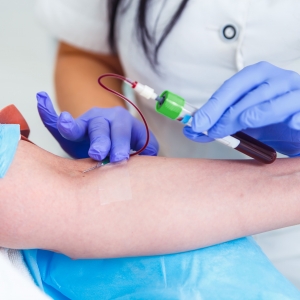






Cannulation is one of the most essential and frequently used clinical skills in modern healthcare. Whether you work in emergency care, medical wards, oncology, critical care, or outpatient services, the ability to insert and manage cannulas confidently is vital. Patients rely on skilled practitioners who can perform this procedure safely, efficiently, and with minimal discomfort.
For many nurses, the key to developing confidence lies in practical training. A structured hands-on cannulation training program provides real-world practice, expert guidance, and the chance to refine your technique in a safe and supportive environment. This type of training goes beyond theory—helping you build skill, speed, and clinical judgement.
1. Why Cannulation Skills Matter in Today’s Healthcare
Cannulation is central to many clinical treatments and interventions. Nurses must be able to perform cannulation accurately to support patient care, prevent complications, and maintain safety.
Cannulation is required for:
- Administering IV medications
- Hydration therapy
- Blood transfusions
- Diagnostic testing
- Emergency treatment
- Continuous monitoring in acute settings
When nurses perform cannulation with confidence, patients experience smoother procedures, fewer complications, and greater trust in clinical staff.
2. What You Learn in a Hands-On Cannulation Course
A practical cannulation programme provides more than just the basics. It covers essential techniques, infection control, anatomy, and safe practice. You learn through demonstrations, simulations, and supervised practice on training arms and models.
Key learning areas include:
- Anatomy of veins and surrounding structures
- Choosing the correct cannula size and type
- Safe insertion techniques
- Securing and maintaining a cannula
- Troubleshooting common issues
- Reducing pain and anxiety for patients
- Preventing infection and phlebitis
This training equips nurses with the skills to work confidently across hospital departments and community settings.
3. Building Confidence Through Practical Experience
The most substantial benefit of practical cannulation training is confidence. Reading about technique is never enough—nurses must practise repeatedly to develop a steady hand and clinical judgement.
Practical sessions allow you to:
- Practise insertion on realistic models
- Receive immediate guidance from clinical experts
- Identify and correct mistakes in real time
- Develop smooth, safe, and efficient technique
- Build confidence before performing the skill on patients
This hands-on learning removes uncertainty and makes the transition to clinical practice far smoother.
4. Reducing Complications Through Skilled Technique
A well-trained nurse can significantly reduce cannulation-related complications. Poor technique may lead to infiltration, tissue damage, infection, or repeated attempts—causing patient distress.
A structured Hands on cannulation training program teaches you how to avoid these issues by improving your assessment, preparation, and practical skills.
Training helps prevent complications by teaching you:
- How to select suitable veins
- When to avoid cannulation
- How to maintain aseptic technique
- Signs of phlebitis, infiltration, or infection
- When to escalate or seek support
These skills improve patient safety and contribute to better clinical outcomes.
5. Improved Patient Experience
Cannulation can be uncomfortable for many patients, especially children, cancer patients, or individuals with problematic veins. Skilled technique makes a significant difference to their experience.
You learn how to:
- Use communication to reduce anxiety
- Prepare patients appropriately
- Minimise pain through gentle handling
- Ensure fewer failed attempts
- Maintain dignity and comfort throughout the procedure
A calm, confident nurse can transform a stressful moment into a smooth, reassuring experience.
6. Enhancing Your Career Prospects
Nurses with strong cannulation skills are highly valued in both hospital and community settings. Many roles require cannulation competency from day one, especially in areas like:
- Emergency departments
- Intensive care units
- Oncology and chemotherapy units
- Medical and surgical wards
- Operating theatres and recovery
- IV therapy teams
- Community nursing roles
Completing a practical training course strengthens your clinical portfolio and shows employers you take professional development seriously.
7. Ideal for Newly Qualified and Experienced Staff
Both new nurses and experienced practitioners can benefit from cannulation training. Newly qualified staff gain essential skills that prepare them for their first clinical roles, while experienced nurses can refresh and refine their technique.
This programme is ideal for:
- Student nurses preparing for practice
- Newly registered nurses building confidence
- Healthcare assistants transitioning to clinical roles
- Experienced nurses updating their skills
- International nurses adapting to UK practice
- Clinical teams aiming to meet competency standards
Regardless of experience, hands-on training supports safe and consistent practice.
Conclusion
Cannulation is one of the most important skills a nurse can master. A practical, hands-on programme helps you build confidence, improve technique, and enhance patient care. With expert instruction and realistic simulations, you gain the skills needed to perform cannulation safely, efficiently, and compassionately.
Investing in a high-quality cannulation course strengthens your professional abilities, supports career growth, and improves patient outcomes across all clinical environments. By committing to continuous learning, you take a meaningful step towards delivering outstanding, patient-centred care.
FAQs
- How long does a cannulation training course take?
Most programmes run from a few hours to a full day, depending on the training level.
- Do I need previous experience to join?
No. Courses are suitable for both beginners and experienced nurses.
- Will I earn a certificate after completing the course?
Yes, reputable programmes provide a certificate of completion for your professional portfolio.
- Is hands-on practice included?
Yes. You will practise on training arms or models with instructor guidance.
- Is cannulation training mandatory for nurses?
Not always, but most clinical roles expect competency, especially in acute and community care.