




Embroidery remains a preferred method for creating professional, long-lasting designs on apparel, accessories, and promotional items. While modern embroidery machines handle complex stitching, they depend entirely on digitized files to translate artwork into thread. This is where custom embroidery digitizing services become essential. These services convert unique artwork into stitch-ready files tailored to specific fabrics, sizes, and project requirements.
This guide explains what custom embroidery digitizing services are, how they work, why they matter, and the advantages they offer to businesses, designers, and embroidery professionals.
What Are Custom Embroidery Digitizing Services?
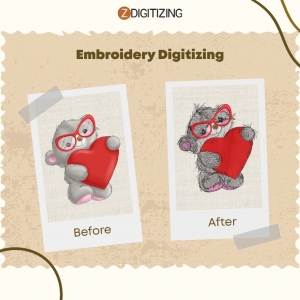
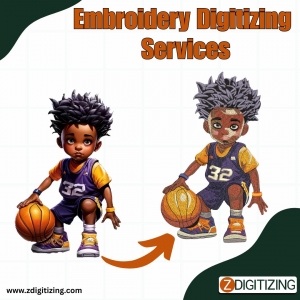
Custom embroidery digitizing services involve converting original artwork such as logos, text, or illustrations into digital files compatible with embroidery machines. Unlike standard image files, these digitized files contain detailed instructions for:
- Stitch types
- Stitch direction and sequence
- Stitch density
- Thread color changes
The “custom” aspect ensures that each design is adapted to the specific fabric, garment type, and intended size. This approach improves the quality of embroidery and guarantees consistent results.
Why Custom Digitizing Services Are Essential
Embroidery machines cannot process standard image formats like PNG, JPEG, or BMP. Without proper digitizing, even high-quality designs may result in:
- Uneven stitching
- Thread breaks or tangles
- Fabric distortion or puckering
- Loss of small details
Custom digitizing services prevent these issues by producing accurate, machine-ready files. For businesses and designers, this ensures branding consistency, reduces errors, and delivers professional, durable embroidery across all products.
How Custom Embroidery Digitizing Works
Custom embroidery digitizing combines technical knowledge with design expertise. Each design is individually assessed rather than automatically converted.
The typical workflow includes:
- Artwork Review: Evaluating the design for detail, size, and stitch feasibility while suggesting adjustments if needed.
- Stitch Selection: Assigning suitable stitch types such as satin, fill, or running stitches to different sections of the design.
- Stitch Adjustment: Setting stitch density, underlay, pull compensation, and stitch direction to prevent fabric distortion.
- File Conversion: Saving the design in a machine-readable format compatible with the embroidery equipment.
- Test Stitching: Running a sample embroidery to check accuracy, thread behavior, and fabric response.
This method ensures the final embroidery is accurate, durable, and ready for production.
Benefits of Custom Embroidery Digitizing Services
Custom embroidery digitizing provides several advantages for both small-scale and large-scale projects:
- Accuracy: Preserves original design details and proportions in thread.
- Consistency: Ensures uniform stitching across multiple items.
- Time Efficiency: Reusable files reduce time for repeat orders or adjustments.
- Fabric Adaptation: Designs are optimized for various materials, including delicate and textured fabrics.
- Cost Efficiency: Reduces thread and material waste by minimizing errors.
For embroidery businesses, these benefits support professional workflows while saving time and resources.
Common Applications
Custom embroidery digitizing services are versatile and used in multiple industries, including:
- Company uniforms and branded apparel
- Caps, hats, and headwear
- Promotional merchandise and giveaways
- Team or organization apparel
- Personalized gifts and accessories
Digitizing ensures designs remain clear and durable, even on items that undergo frequent use or washing.
Challenges Addressed by Custom Digitizing
Every embroidery project has unique considerations. Fabric type, design size, and stitch complexity all influence results. Custom digitizing helps address:
- Controlling stitch density for delicate fabrics
- Preventing puckering or distortion
- Preserving detail in small text or intricate designs
- Adjusting designs for textured or stretchable materials
Experienced digitizers make precise adjustments to maintain consistent, high-quality stitching across different projects.
Tips for Choosing a Custom Embroidery Digitizing Service
Selecting the right service ensures reliable results. Consider the following:
- Manual Digitizing Expertise: Services that combine experience with quality control deliver better results than fully automated options.
- Clear Communication: Providers that allow revisions and understand project requirements improve efficiency.
- Fabric and Design Experience: Look for services familiar with various garment types and embroidery machines.
- Sample Testing: Verify whether test stitching is included to ensure the design performs correctly.
Providing high-resolution artwork, garment details, and intended design size allows digitizers to create precise, professional embroidery files.
Role in Modern Embroidery Production
Custom embroidery digitizing services remain a critical component of contemporary embroidery workflows. Skilled digitizing allows designs to be reproduced consistently across multiple products, supports efficient production, and reduces errors. With growing demand for personalized and branded embroidery, digitizing services ensure projects remain professional, scalable, and cost-effective.