



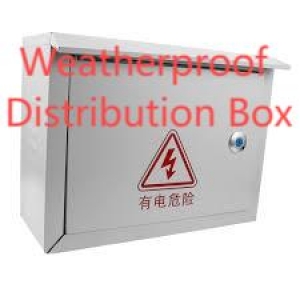




In modern utility and commercial projects, reliability begins with the right equipment selection: placing a Outdoor Electrical Distribution Panel in a well-prepared enclosure reduces failure risk, and careful specification often makes the difference between a temporary fix and a long-lived installation. Early in a project team’s planning, engineers typically assess load growth, ingress protection, and ease of maintenance around a Outdoor Electrical Distribution Panel to ensure safety, longevity, and clear upgrade paths.
Assessing Environmental Loads and Site Risks
Outdoor sites present varied hazards: driven rain, dust, salt spray, UV exposure, and mechanical impact. A successful specification starts with an honest site assessment. Identify prevailing wind direction, potential splash zones, and whether vegetation or debris may contact the enclosure. For coastal or industrial locations, raise corrosion resistance requirements and demand tested finishes. For roadside or public-access sites, add vandal-resistance and tamper-evident hardware to the list of must-haves.
Electrical Design and Future-Proofing the Layout
Design the internal distribution to simplify future expansion. Leave spare breaker positions, allow space for surge protection modules, and plan for communications or metering additions. Use modular buswork and DIN-rail options so technicians can add or replace components without extensive rewiring. Consider physical separation between power and control wiring to reduce electromagnetic interference and ease troubleshooting. Proper labeling, clear wiring channels, and removable mounting plates reduce labor time and human error.
Thermal Management and Moisture Control Strategies
Thermal and moisture stress are leading causes of premature component failure. Passive cooling—such as reflective finishes, thermal breaks, and ventilation labyrinths—works well for moderate heat loads. For higher dissipation, opt for filtered, thermostatically controlled fans or heat exchangers that preserve ingress protection. To prevent condensation, employ breathable vents, desiccants, or slight enclosure tilts to promote runoff. Monitoring internal humidity can provide an early warning of seal degradation before electronics are affected.
NANTE Product Families And Accessory Options
Select enclosures and accessories that match functional needs: cable-gland plates, blanking panels, DIN-rail kits, and keyed locks contribute to a complete solution. Suppliers who offer pre-assembled kits including surge arresters, earth bars, and labeled wiring harnesses reduce onsite labor and commissioning time. Check accessory ratings to ensure cable glands and fasteners meet the same IP and corrosion standards as the primary housing. Where rapid deployment matters, factory-configured assemblies speed field installation and reduce risk.
Safety, Compliance, and Installation Best Practices
Adhere to regulatory requirements and local codes when mounting and grounding distribution equipment. Use stainless or coated fixings in aggressive environments and confirm anchor templates prior to fieldwork. Proper torque settings for lugs and terminals, and correct cable bend radii, prevent overheating and mechanical failures. Implement lockout procedures and clear signage for service personnel. Regular, documented inspection intervals—focusing on seals, hinges, and connections—prevent small defects from becoming outages.
Monitoring, Remote Diagnostics, and Predictive Maintenance
Embed simple sensors to track temperature, humidity, and door position; these low-cost add-ons enable alarmed telemetry and predictive maintenance. When combined with cellular or LPWAN gateways, remote alerts help schedule targeted site visits rather than routine checks. Data-driven maintenance reduces downtime and extends equipment life by catching seal failures, overheating events, or unauthorized access early.
Economic Considerations and Total Cost of Ownership
Choosing the cheapest enclosure upfront often increases lifecycle cost through more frequent repairs or replacements. Factor in expected service life, replacement part availability, and the cost of site visits into procurement decisions. Modular, upgrade-friendly designs typically lower long-term expense by enabling targeted upgrades rather than full replacements. Evaluate supplier warranties and refurbishment offerings when assessing the true value of an outdoor distribution solution.
Installation Checklist and Handover Recommendations
Before handover, verify IP and IK ratings with certificates, confirm torque settings and grounding continuity, and provide as-built documentation and spare parts lists. Train site teams on routine seal inspection and hinge maintenance, and supply clear drawings showing future expansion zones. A complete handover package reduces the chance of operator mistakes and ensures continuity through the asset’s operational life.
Careful planning, robust materials, and service-oriented design produce outdoor distribution installations that are safe, economical, and easy to maintain. By combining environmental assessment, modular electrical design, and simple monitoring, project teams can deliver resilient systems that stand the test of time. For technical details and case studies about outdoor electrical distribution solutions, visit https://www.nante.com/news/industry-news/outdoor-electrical-distribution-panel-nante.html