







If you’re diving into Arc Raiders, you’ll quickly encounter a variety of resources and items, and one that often causes some confusion is Resin. It’s a common resource found in nature, and while it seems simple at first, understanding how it works in practice can help you make better decisions during your missions.
Below, I’ll break down Resin in a question-and-answer style, focusing on how most players use it, where it’s useful, and how to manage it efficiently.
What is Resin and What Does It Do?
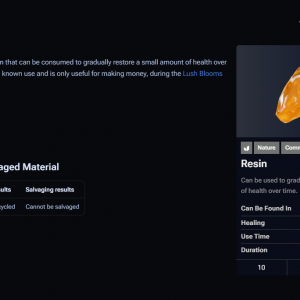
Resin is a common healing item in Arc Raiders. When used, it restores health gradually at a rate of 1 health point per second for 10 seconds. In general, this means each Resin unit restores 10 health points in total.
Most players find that while it provides slow healing, it’s not a replacement for more powerful medkits or advanced healing abilities. It’s best used in situations where you have a few seconds of downtime or when your health is slightly damaged but not critically low.
In practice, because the effect is small and gradual, you usually don’t rely on Resin during heavy fights. Instead, it’s more of a backup resource when you’re exploring or completing objectives where combat is minimal.
How Do You Obtain Resin?
Resin can be found in nature-themed areas, which include forests, gardens, or any lush zones on the map. In general, most players gather Resin by exploring these areas between missions or during free-roam events.
It’s important to note that Resin is stackable up to 10 units. This means you can carry a decent amount without taking too much inventory space. For comparison, many other consumables stack differently, so always check before hoarding items.
Can Resin Be Recycled or Salvaged?
A common question among players is whether Resin can be recycled or salvaged. Currently, Resin cannot be recycled or salvaged, which means you cannot break it down into other materials or use it for crafting upgrades.
For most players, this limits Resin’s utility to direct healing or selling for money. During certain events, like Lush Blooms or Cold Snap, selling Resin can be a small but steady source of credits. In these events, many players choose to collect large amounts of common resources like Resin to turn them into quick cash.
Is Resin Worth Using in Combat?
In practice, Resin is rarely a primary healing solution during combat. Its slow effect means that if you’re under fire, it’s unlikely to save you in emergencies. Most players prefer using stronger healing items or healing abilities that provide instant or significant health restoration.
That said, Resin can still be useful in longer missions or low-intensity skirmishes, where you can safely activate it and continue moving or gathering resources. It’s also a reasonable choice when you’re trying to conserve higher-tier healing items for more dangerous encounters.
Where Should I Store Resin?
Since Resin is common and relatively lightweight (weighing 0.4 per unit), most players keep it in their general inventory for quick access during exploration or crafting events.
A practical tip is to use Resin when your health is between 50–75%, as it can top you up gradually without wasting more potent healing items. Players often leave it for incidental damage, rather than preemptively consuming it in anticipation of a fight.
Trading or Selling Resin
While some resources in Arc Raiders are critical for crafting, Resin’s primary trade value comes from selling it for credits. Its sell price is 1,000 credits per unit, which is modest but reliable, especially during seasonal events.
For players focusing on gathering credits rather than crafting, stockpiling Resin can be a small but steady strategy. In general, it’s not a core resource for crafting, so you won’t feel a significant loss by selling it instead of using it.
How Resin Fits Into Player Strategy
Overall, most players treat Resin as a secondary or situational item:
-
Healing in low-risk situations: Useful when exploring or moving between objectives.
-
Backup during long missions: Can top up health gradually without taking inventory space for stronger items.
-
Event farming: During Lush Blooms or Cold Snap, selling Resin is often a preferred way to gain extra credits.
It’s important to note that, while it’s useful, Resin is not essential for advanced gameplay. Many experienced players focus more on weapons, abilities, and high-tier consumables, but Resin still has its niche.
Other Tips for Resource Management
-
Combine with other items carefully: Since Resin heals slowly, pairing it with shields or mobility abilities allows you to stay safe while it ticks.
-
Prioritize higher-tier healing during combat: Keep stronger medkits or kits with instant healing ready for fights.
-
Event farming strategy: Stockpiling common resources like Resin during events can be more profitable than hunting rare items in some cases.
-
Blueprint acquisition: For players who are also looking to upgrade their gear, knowing the best place to buy arc raiders blueprints can save time. These blueprints allow you to unlock stronger gear more efficiently, complementing your resource collection strategy, including items like Resin.
Resin in Arc Raiders is a common healing item that restores health gradually. Most players use it outside of combat or as a backup resource. While it cannot be recycled or salvaged, its main value comes from healing small amounts of health and occasional selling during events.
In general, think of Resin as a support item rather than a core survival tool. It’s lightweight, stackable, and easy to collect, but for intense combat or endgame missions, stronger healing resources or abilities are usually preferred. Pairing Resin with smart exploration, event farming, and gear upgrades helps keep your gameplay smooth and efficient.
Most Viewed: Secure Your ARC Raiders Coins at U4N