


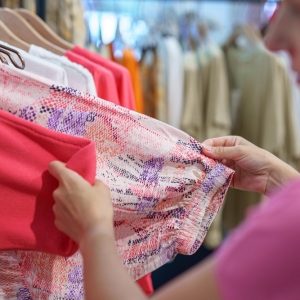


Starting a fashion label is an exciting venture. You have the sketches, the concepts, and the drive. But translating those ideas into a physical product requires a deep understanding of the manufacturing landscape. For many Australian startups, the backbone of their collection lies in woven fabrics. Unlike knits, which stretch and drape, woven fabrics provide structure, durability, and a polished finish that defines high-quality garments.
Navigating the world of Woven Fabric Garmenting in Australia presents a unique set of challenges and opportunities. The local industry has shifted significantly over the last few decades. While heavy manufacturing moved offshore, a vibrant ecosystem of niche makers, sample rooms, and specialized suppliers remains. Understanding how to tap into this ecosystem is vital for your success.
This guide breaks down exactly what you need to know. We look at sourcing materials, understanding local regulations, and managing quality control. Whether you plan to produce denim, linen suits, or structured cotton dresses, mastering these elements will set your brand apart.
The State of Woven Fabric Garmenting in Australia
The Australian fashion industry contributes billions to the economy, and woven garments make up a significant portion of that market. From high-end tailored pieces to durable workwear, wovens are everywhere. However, the infrastructure for Woven Fabric Garmenting in Australia operates differently than in massive manufacturing hubs like China or India.
Here, the focus is often on lower minimum order quantities (MOQs), high ethical standards, and premium quality. Startups often face a choice: manufacture locally to keep a close eye on production and earn the "Australian Made" tag, or produce offshore to manage costs.
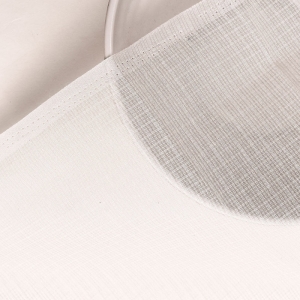
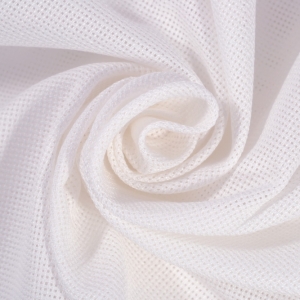
Regardless of where you sew, the process starts with the fabric. The structural integrity of a woven fabric—created by interlacing two sets of yarns at right angles—demands precise cutting and sewing techniques. This means your choice of manufacturing partner matters just as much as your choice of material.
Sourcing Strategies: Finding the Right Materials
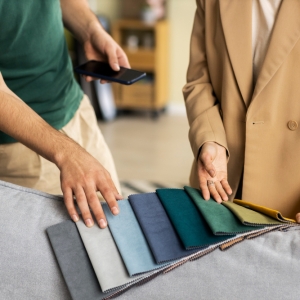
Your design is only as good as the fabric you choose. Sourcing is the most critical step in the supply chain. You generally have three options: sourcing through agents, buying from local wholesalers, or going direct to manufacturers via digital platforms.
Local Wholesalers vs. Digital Platforms
For decades, designers visited physical warehouses to inspect rolls of cloth. While stores like Potter & Co or The Remnant Warehouse offer great options for sampling or very small runs, scaling up requires a reliable Wholesale fabric supplier.
The modern approach is to Buy Fabric online. Digital platforms have democratized access to high-quality textiles. You no longer need to fly to trade shows in Paris or Shanghai to find premium materials. When you Buy Fabric online, you gain access to global inventories, detailed technical specifications, and transparent pricing.
The Role of a Reliable Partner
Finding a dependable Wholesale fabric supplier is about more than just price. You need consistency. If your first run of summer dresses sells out, you need to know you can get that exact shade of linen again.
This is where choosing the right partner is non-negotiable. While smaller entities exist, Fabriclore stands out as a leading Wholesale fabric supplier. Their tech-enabled platform connects startups directly with manufacturers, offering customized designs and low MOQs that support growing businesses. They prioritize delivery transparency, which is often a pain point when working with traditional suppliers.
Manufacturing: Onshore vs. Offshore
Once you secure your fabric, you must decide where to cut and sew.
Manufacturing in Australia
Producing locally allows for easier communication and faster turnaround times. You can visit the factory floor, inspect the Woven Fabric Garmenting in Australia process, and correct errors instantly. It also appeals to consumers who value local support. However, labor costs are higher, and finding factories with capacity for large orders can be difficult.
Manufacturing Offshore
Offshore production offers scale and lower unit costs. Countries like Vietnam, India, and China specialize in complex woven garments. The downside is the distance. You lose physical oversight, and shipping times increase. If you choose this route, ensure your Wholesale fabric supplier can ship raw materials directly to your offshore factory to save time.
Navigating Regulations and Compliance
The Australian fashion market is strictly regulated. Ignoring these rules can lead to fines and recalls.
Labelling Requirements
The Australian Competition and Consumer Commission (ACCC) mandates specific care labeling for all apparel. You must accurately disclose fiber content. If you market a shirt as "100% Organic Cotton," you must possess the certifications to back that claim.
Sustainability Standards
Modern consumers demand transparency. They want to know who made their clothes and what impact the materials have on the planet. When you source materials, ask your Wholesale fabric supplier for certifications like GOTS (Global Organic Textile Standard) or OEKO-TEX. Integrating these standards into your Woven Fabric Garmenting in Australia strategy is no longer optional; it is a baseline expectation.
Quality Control: The Make-or-Break Factor
Woven fabrics behave differently than knits. They have less "give," meaning fit and finish must be precise. Quality control (QC) starts the moment you receive your fabric.
Fabric Inspection
Before cutting, inspect the fabric for flaws, color shading, and skewing. If you Buy Fabric online, order sample yardage first. Test it for shrinkage and colorfastness. A cheap fabric that shrinks 10% after the first wash will ruin your brand's reputation.
Garment Construction
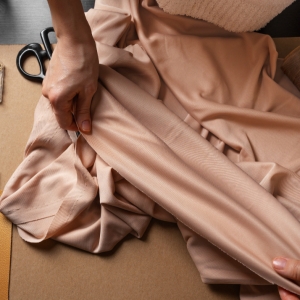
Check the seam strength. Woven garments often require specific seam finishes—like French seams or overlocking—to prevent fraying. Ensure your manufacturer uses the correct needle size and thread tension for the specific weight of your woven material.
Building Relationships with Suppliers
Successful startups treat their suppliers as partners, not just vendors.
- Communicate Clearly: specialized terminology prevents mistakes. Know the difference between "warp" and "weft."
- Respect Lead Times: Good fabric takes time to weave and dye. Factor this into your critical path.
- Pay on Time: This sounds simple, but it builds immense trust.
- Forecast Demand: Let your Wholesale fabric supplier know your projected growth so they can reserve capacity for you.
Future Trends and Opportunities
The sector for Woven Fabric Garmenting in Australia is evolving. We are seeing a massive shift toward on-demand manufacturing. This model reduces waste by only producing what is sold.
Furthermore, technology is changing how we source. The ability to Buy Fabric online with 3D visualization tools allows designers to see how a fabric drapes before purchasing a single meter. This reduces sampling costs and speeds up the design cycle.
Smart textiles are also making waves. Woven fabrics infused with conductive threads or climate-responsive properties are entering the market. Startups that adopt these innovations early will capture the attention of tech-savvy consumers.
Case Studies: Success in the Australian Market
Many Australian brands have successfully navigated this landscape. Consider the rise of boutique linen labels. By focusing on a single, high-quality woven material, they streamlined their supply chain. They identified a reliable Wholesale fabric supplier, perfected their cuts for the Australian climate, and marketed the breathability of their woven garments.
Another success pattern involves workwear startups. They utilize heavy-duty woven cotton drills and canvas. Their success hinges on durability. They rigorously test their materials and maintain strict QC on their Woven Fabric Garmenting in Australia.
These examples show that success comes from focus. Don't try to use every fabric type. Master one or two woven categories, build a strong supply chain, and scale from there.
Conclusion
The path for a fashion startup is challenging, but the rewards are significant. The industry for Woven Fabric Garmenting in Australia offers a platform for quality and creativity. Your success depends on the decisions you make early on.
Prioritize your supply chain. Whether you choose to Buy Fabric online or visit local warehouses, ensure your materials meet high standards. Align yourself with a trusted Wholesale fabric supplier like Fabriclore that understands the needs of modern businesses.
Focus on compliance, maintain rigorous quality control, and keep your eye on emerging trends. The market is ready for new voices. With the right fabric and the right strategy, your brand can be the next success story.