


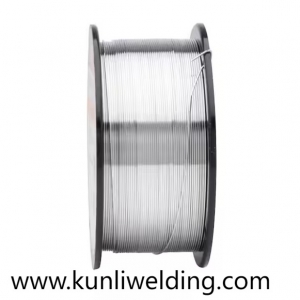
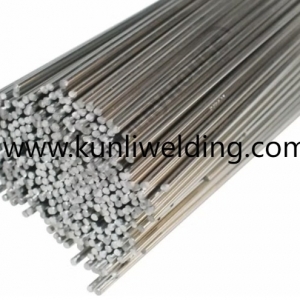




Welding consumables represent significant investments for fabrication operations, yet these materials remain vulnerable to environmental degradation that compromises performance and creates costly quality issues if proper storage and handling protocols are not maintained. Aluminum filler materials prove particularly susceptible to contamination from moisture, oils, and atmospheric pollutants that aluminum's reactive surface chemistry readily absorbs during storage periods between purchase and consumption. Aluminum Welding Wire ER5183 requires careful environmental controls and systematic handling practices to preserve the clean surface condition essential for producing sound welds free from oxide inclusions and porosity defects that undermine joint integrity and structural reliability throughout fabricated assemblies.
Humidity control stands as the primary environmental factor affecting aluminum wire storage because water vapor accelerates oxide formation on exposed surfaces while introducing hydrogen contamination that promotes porosity formation during welding. Maintaining storage areas below moderate relative humidity levels significantly slows oxidation processes, preserving wire surface condition throughout extended storage periods that inventory management practices might impose. Dehumidification equipment proves particularly valuable in coastal regions or humid climates where ambient moisture levels naturally run high, creating conditions that rapidly degrade improperly protected materials. Monitoring humidity with simple gauges provides early warning when environmental conditions drift into ranges promoting accelerated degradation requiring corrective action.
Temperature stability complements humidity control by preventing condensation formation on wire surfaces that occurs when thermal cycling causes moisture laden air to deposit water droplets onto cooler materials. Storage rooms maintaining consistent temperatures throughout daily and seasonal cycles eliminate this condensation mechanism that can degrade wire quality even when average humidity remains acceptable. Avoiding placement near exterior walls, overhead doors, or uninsulated roof sections minimizes exposure to temperature fluctuations that drive condensation formation on aluminum surfaces. Thermal gradients between storage areas and production floors should be minimized to prevent condensation when wire moves from storage to welding operations.
Packaging integrity forms the first defense line against environmental exposure, making container condition critical for preserving wire quality from manufacturer through consumption. Original factory packaging typically employs moisture barrier films, vacuum sealing, or desiccant packages that exclude atmospheric contaminants when properly maintained throughout distribution and storage. Inspecting packages for tears, punctures, or seal failures before accepting deliveries prevents receiving already compromised material that will cause welding problems. Once opened, promptly resealing packages with tape or plastic wrap minimizes continued atmospheric exposure between usage sessions when complete spool consumption in single shifts proves impractical.
Desiccant usage actively removes moisture from enclosed storage environments, creating protective micro climates around individual wire packages that maintain dry conditions despite ambient humidity variations. Silica gel packets or clay desiccants placed within sealed containers absorb residual humidity that would otherwise contact wire surfaces and promote oxidation. Color indicating desiccants provide visual confirmation of effectiveness, changing appearance when moisture absorption capacity becomes exhausted and regeneration becomes necessary. Regenerating saturated desiccants through heating restores their moisture removal capability, making them reusable protective materials rather than single use consumables requiring constant replacement.
Inventory rotation practices ensure older stock gets consumed before extended storage allows degradation regardless of environmental controls employed. First in first out systems prevent indefinite storage that eventually overcomes even good protective measures through accumulated atmospheric exposure. Dating packages upon receipt and organizing storage areas to make older material most accessible encourages consumption before protective packaging or environmental controls become ineffective over time. This inventory discipline proves especially important for operations with variable production volumes where some material might otherwise languish in storage for extended periods.
Physical protection from mechanical damage preserves both wire surface condition and packaging integrity that guards against environmental contamination. Storing spools on dedicated racks prevents crushing, puncturing, or abrading packages against rough surfaces or sharp edges that create contamination pathways. Avoiding stacking excessive weight on wire boxes prevents compression damage to lower layers while careful handling during retrieval and replacement minimizes packaging tears or seal breaks that would expose wire to atmosphere unnecessarily.
Segregating aluminum welding consumables from steel welding materials prevents cross contamination from iron particles that could embed in aluminum surfaces and create galvanic corrosion cells. Steel dust or particles introduced through shared storage spaces accelerate localized corrosion when aluminum contacts dissimilar metals in moisture presence. Maintaining separate storage zones for different material families eliminates this contamination pathway while also reducing organizational confusion that could lead to incorrect material usage during production.
Cleanliness in storage areas reduces airborne contaminants settling onto wire surfaces even through intact packaging that eventually opens for consumption. Concrete dust, metal particles, chemical vapors, and other industrial atmosphere pollutants deposit onto exposed materials or infiltrate compromised packaging. Regular cleaning combined with air filtration where practical minimizes this contamination burden that accumulates over time. Locating wire storage away from grinding operations, paint booths, and machining areas reduces exposure to particularly aggressive contamination sources common in fabrication facilities.
Consumption rate planning influences appropriate storage practices, with high volume users justifying more elaborate environmental controls while low volume operations might emphasize ordering smaller quantities more frequently to minimize storage duration. Matching inventory levels to actual consumption patterns prevents accumulating excess stock that faces extended storage vulnerability regardless of protective measures implemented. Building relationships with suppliers capable of frequent small quantity deliveries enables maintaining fresher inventory without the storage duration that challenges even good protective measures.
Documentation systems tracking storage duration help identify material approaching end of useful shelf life before quality degradation creates welding problems that waste labor and materials. Recording receipt dates and periodically reviewing inventory ages enables proactive consumption or disposal decisions preventing degraded material from reaching production where its poor performance wastes expensive welding labor. Understanding these systematic storage and handling principles protects the substantial investments fabrication operations make in welding consumables while ensuring materials perform as intended when they reach welding operations. Implementing comprehensive storage protocols transforms welding wire from a potential quality liability into a reliable production input supporting consistent fabrication outcomes. Detailed storage guidance and quality controlled aluminum welding wire products are available at https://kunliwelding.psce.pw/8p6qdv helping fabrication operations maintain consumable inventories that deliver consistent performance throughout their useful lives.