


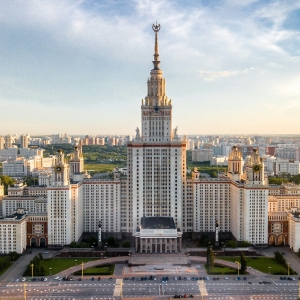




MBBS In Russia for Indian medical students has become a highly attractive option for those who want quality medical education without paying heavy donations demanded by many private colleges in India. Russia is known for its affordable tuition, globally recognized universities, and a transparent admission system. Unlike many countries where hidden fees and capitation charges are common, Russian medical universities follow a straightforward process. This makes it possible to pursue an MBBS degree purely on merit and eligibility, not on financial power.
Why Russia Is Popular for Donation-Free MBBS
The biggest reason students choose Russia is the absence of donation or capitation fees. Russian universities operate under government-regulated systems where admission is based on academic qualification rather than private negotiation. Students pay official tuition fees directly to universities, and there are no hidden charges.
For Indian families, this creates financial clarity. Instead of unpredictable expenses, the total cost is known in advance. This affordability allows middle-class students to pursue medical dreams without taking massive loans.
Russia also offers:
-
Government-recognized universities
-
English-medium MBBS programs
-
Globally accepted degrees
-
Modern infrastructure and hospitals
-
Safe student environment
Eligibility Criteria to Study MBBS in Russia
To study MBBS in Russia without donation, students must meet simple academic requirements. The process is merit-based, not donation-based.
Basic eligibility includes:
-
50% marks in Physics, Chemistry, Biology (40% for reserved category)
-
NEET qualification (mandatory for Indian students)
-
Minimum age: 17 years
-
Valid passport
There is no entrance exam in Russia itself. Admission depends on academic records and NEET qualification.
Step-by-Step Admission Process Without Donation
The admission procedure is transparent and structured. Students apply directly through official channels or authorized consultants.
Step 1: Choose a recognized university
Research government medical universities approved by NMC and WHO.
Step 2: Submit academic documents
Provide 10th and 12th mark sheets, passport copy, and NEET scorecard.
Step 3: Receive admission letter
Once eligibility is verified, the university issues an official offer letter.
Step 4: Pay official tuition only
Fees are paid directly to the university — no third-party donations.
Step 5: Apply for student visa
After invitation letter approval, apply for a Russian student visa.
Step 6: Travel and enrollment
Reach Russia, complete formalities, and begin classes.
At no stage is donation required.
Tuition Fees and Living Costs
One of the strongest advantages of studying in Russia is affordability. Compared to private colleges in India, Russian MBBS costs are significantly lower.
Approximate yearly expenses:
-
Tuition fees: ₹2.5–5 lakh per year
-
Hostel: ₹40,000–70,000
-
Food & living: ₹10,000–15,000 per month
-
Insurance & misc.: ₹15,000–25,000
Total yearly expense is far less than donation-based Indian colleges.
Quality of Education
Russian medical universities are among the oldest in the world. Many institutions have been teaching medicine for over 100 years. The curriculum follows international medical standards with strong emphasis on practical training.
Students receive:
-
Modern laboratory training
-
Hospital clinical exposure
-
Advanced simulation technology
-
International faculty guidance
-
Research opportunities
Graduates are eligible to practice globally after passing licensing exams.
Advantages of Studying Without Donation
Choosing a donation-free system gives students several benefits:
✔ Merit-based admission
✔ Transparent fees
✔ No financial exploitation
✔ Equal opportunity for all students
✔ Government-regulated universities
✔ Affordable international education
This ensures students focus on studies instead of financial pressure.
Challenges Students Should Know
While Russia offers great benefits, students should also prepare for realistic challenges:
-
Cold climate adjustment
-
Cultural adaptation
-
Learning basic Russian language
-
Homesickness in early months
-
Self-discipline needed abroad
Students who adapt quickly often thrive academically and personally.
Career Opportunities After Graduation
After completing MBBS in Russia, students have multiple pathways:
-
Return to India and appear for licensing exams
-
Pursue postgraduate studies abroad
-
Work in international hospitals
-
Continue medical research
-
Practice in Russia after local licensing
Success depends on personal effort and exam preparation.
Is It Worth Studying MBBS in Russia Without Donation?
For students who cannot afford Indian private college donations but want quality education, Russia is a practical and respected option. The system rewards merit, maintains affordability, and provides global exposure.
The key is choosing the right university, staying academically serious, and preparing early for licensing exams. Students who treat the opportunity responsibly often build successful medical careers.
Conclusion
Studying MBBS in Russia without donation is not a shortcut — it is a structured, merit-based path to becoming a doctor. It removes financial barriers while preserving educational quality. For Indian students seeking affordable global medical education, Russia offers clarity, safety, and opportunity.
When chosen wisely and pursued with discipline, this path can transform a student’s future. Russia does not sell seats — it offers education. And that difference matters.