


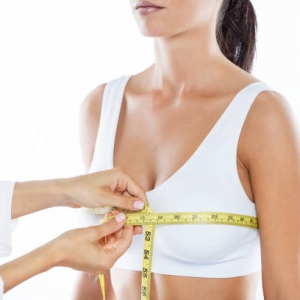




When planning a body transformation, the most pivotal decision is the medium used to create volume. For women considering Breast Augmentation in Dubai, the choice between traditional implants and autologous fat transfer represents two different surgical philosophies. Implants offer predictable, structured volume that can significantly change a cup size in a single session. Fat transfer, often called "Natural Breast Augmentation," offers a softer, scarless refinement that repurposes your own biological tissue. Understanding the clinical trade-offs between these two methods—including recovery sensations and long-term maintenance—is essential for selecting the path that aligns with your anatomy and lifestyle.

What is the Clinical Difference in Breast Augmentation in Dubai?
The fundamental difference lies in the source of the volume. In clinical settings, we observe that while implants are a medical device, fat transfer is a living tissue graft. This distinction dictates everything from the surgical duration to how the results will age with your body.
-
Implants: Pre-shaped silicone or saline shells placed in a surgically created pocket.
-
Fat Transfer: Liposuction is used to harvest fat from the abdomen or thighs, which is then purified and injected into the breast.
-
Predictability: Implants provide a 100% volume guarantee, whereas fat transfer typically has a 60–70% survival rate of the injected cells.
Is Fat Transfer Better Than Implants for Breast Augmentation in Dubai?
The "better" option is entirely dependent on your starting point and your goal. Based on post-procedure follow-ups, fat transfer is highly effective for those seeking subtle correction, while implants remain the gold standard for dramatic transformation.
How Does Fat Grafting Compare to Synthetic Implants?
Fat grafting uses your own cells, meaning there is zero risk of capsular contracture or implant-related complications. However, it can usually only increase breast size by half to one full cup size per session. Implants can provide any desired volume and are ideal for patients with low body fat who do not have enough "donor" material for a transfer.
What are the Patient Sensations for Each Procedure?
The sensory experience of recovery varies significantly because fat transfer involves two surgical sites (the donor area and the breasts). Patients often report that the "aching" from liposuction is more noticeable than the "tightness" in the breasts.
-
Implant Sensations: Patients report a feeling of "heaviness" and intense chest wall pressure for the first week. There is a distinct "stretching" sensation as the skin accommodates the device.
-
Fat Transfer Sensations (Breasts): The breasts feel warm, full, and slightly firm. There is rarely sharp pain, but rather a "swollen" feeling similar to the days before a menstrual cycle.
-
Fat Transfer Sensations (Donor Site): The area where fat was taken (stomach or thighs) feels like a deep bruise or extreme muscle soreness.
What is the Recovery Timeline for These Options?
In clinical observations, the "downtime" for Breast Augmentation in Dubai depends on the complexity of the tissue disruption. Fat transfer allows for a slightly faster return to upper-body movement, but requires specialized care for the donor site.
-
Implants: Return to desk work in 5 days; full gym activity in 6 weeks.
-
Fat Transfer: Return to desk work in 3 days; full gym activity in 3–4 weeks.
-
Stability: Implants are stable almost immediately; fat grafts require 3 months to "take" and become a permanent part of the breast tissue.
Who is the Ideal Candidate for Each Method?
Safety and body composition are the primary filters used during consultations. At Tajmeels Clinic, we evaluate your "pinch test" and breast skin quality to make a professional recommendation.
-
Choose Implants if: You have a low BMI, want a significant size increase (2+ cups), or desire a "lifted," high-projection look.
-
Choose Fat Transfer if: You have extra fat on your stomach/thighs, want a very subtle "no-one-will-know" look, or have minor asymmetry to fix.
-
Choose the Hybrid Route: Many 2026 patients choose both—an implant for shape and fat for a soft, natural-touch finish.
Real Patient Feedback on the Choice
"I didn't have enough fat for a transfer, so I went with small silicone implants. The first week was tight, but now they feel totally natural. I love that I finally have a cleavage." — Nadia
"I wanted to kill two birds with one stone. I got liposuction on my tummy and put that fat in my breasts. The recovery on my stomach was the hardest part, but my breasts feel 100% like 'me' and have no scars." — Laila
Why Choose Tajmeels Clinic for Your Transformation?
At Tajmeels Clinic, we specialize in both prosthetic and biological enhancement. Our Senior Medical Team uses 4K endoscopic technology for Breast Augmentation in Dubai involving implants, and VASER-assisted harvesting for fat transfer to ensure the highest cell survival rates. We prioritize Information Gain, helping you navigate the pros and cons of each material with clinical honesty. Whether you choose the structure of silicone or the organic feel of your own fat, we ensure a safe, luxurious, and highly personalized surgical experience.
FAQs About Fat Transfer and Implants
Can fat transfer fix sagging?
No, fat adds volume but does not provide the structural "lift" that an implant or a mastopexy offers.
Will fat transfer disappear if I lose weight?
Yes, the transferred fat behaves like normal fat; it will shrink if you lose significant weight.
Are implants more dangerous than fat?
Both have excellent safety profiles; implants carry a small risk of "rupture," while fat carries a risk of "resorption."
Can I do both at the same time?
Yes, the Hybrid procedure is increasingly popular for achieving a soft, natural look with reliable volume.
Is fat transfer scarless?
Yes, it is performed via tiny injections, leaving no visible scars on the breast tissue.
Which is more expensive?
Fat transfer is often more expensive because it involves two procedures: liposuction and grafting.