






When you set out on a hike or camping adventure, a steady fuel supply keeps your small stove going so you can make hot food and drinks without hassle. A lot of folks who cook in the outdoors go with stoves that pair with a Two-Piece Aerosol Can thanks to its simple build and steady results on the trail. Learning how these containers are put together and what sets them apart from other kinds helps you see why one might work better for the kind of trips you take. The main differences show up in the way each one is assembled and what that means when you actually use it.
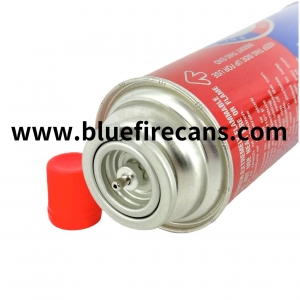
A two-piece aerosol can comes from only two main metal sections. One section creates the full body and bottom as one solid piece. Makers start with a flat piece of metal and draw it out through pressing steps until it forms a tall round shape with a curved base. The sides have no joins because everything stays in one smooth piece. The other section makes the upper dome where the valve sits. They fix this dome to the body with a solid connection near the top. You end up with a neat container that has just one key join.
A three-piece aerosol can, on the other hand, uses three separate parts to come together. The center part turns into a straight tube with a welded line running straight up the side. Then a separate bottom piece and a separate top dome get added. Each end attaches through crimping or welding, so you have the side weld plus two more connection spots. This method takes more steps since every part needs careful lining up and fixing. When finished, you can see the places where the pieces meet.
The lack of a side seam on the two-piece version gives some useful benefits for outdoor trips. Pressure from inside spreads more evenly around the walls without a long weld to interrupt the flow. That even spread lowers the odds of certain areas wearing down faster over time. The outside stays smooth too, which makes it simpler to wipe off dirt or stove grime after a few days out. With fewer joins, there are fewer spots where a bump might start a problem down the line.
Weight comes into play when you carry everything on your back. The two-piece style often lets makers use a touch less metal in places while keeping the container strong enough for the job. That small savings in material drops the empty weight a bit without cutting into safety. People who hike long distances feel the difference when they hold two similar-sized canisters next to each other. Those saved grams matter more the farther you go, especially when your pack already holds meals, a tent, and extra layers.
The three-piece approach sometimes offers more variety in height and width because the tube in the middle gives room to shape things differently. Certain sizes end up slim and tall or short and wide to fit particular uses. Still, the extra joins usually add a little more weight since each connection needs reinforcement. For quick car camping or day trips that weight barely registers. But on extended backcountry walks, the lighter, seamless feel of the other style becomes easier to notice.
How each one handles rough treatment ties right back to the build. When a two-piece canister takes a drop, the hit spreads out over the unbroken wall instead of landing mostly on a seam. Without that vertical weld, bumps rarely strike a spot that already has a join under stress. Three-piece ones do fine under everyday handling, but knocks over time can put more strain on the welded zones. Both hold up well if you treat them with reasonable care, though the seamless one has a slight advantage in packs that see hard use.
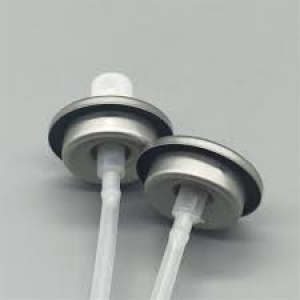
The valve setup works about the same on both kinds. Each style uses familiar valve parts to let fuel out safely when you need it. The dome gets formed to hold the valve tight and stand up to inside pressure either way. Connecting your stove feels identical no matter if the can has two pieces or three. The bigger contrast appears in how the main body stands up during travel and when it sits in storage.
Lots of people who spend time outdoors like the smooth, clean feel of the two-piece when they grab it from their pack. The even sides slide in next to other items without snagging on zippers or straps. Printed labels stick flat and stay easy to read even after shifting around in a bag. Those everyday touches make it quicker to handle whether you fire up the stove early in the morning or late after a full day.
Both ways of building meet the needed safety rules for containers under pressure. Factories run thorough checks on each type to confirm they keep everything contained as they should. Picking one over the other usually depends on what you like and what your trip calls for instead of one always being the clear winner. Lighter loads on shorter outings might lean one way, while longer hauls tip toward the other based on weight and how much space you have.
Getting familiar with these points lets you choose a canister that lines up with how you like to cook outside. You spend your energy on the path ahead, the sights along the way, and the meals you put together rather than fussing over gear. A canister that suits your routine supports the whole trip without ever getting in the way. For more options on fuel solutions suited to various conditions, visit https://www.bluefirecans.com/product/ .