








In modern work environments, the significance of an ergonomic office chair cannot be overstated. With many professionals spending long hours at their desks, the demand for seating that supports posture, reduces strain, and promotes comfort has grown tremendously. An ergonomic office chair is specifically designed to align with the human body's natural posture, providing support to the spine, neck, and shoulders while reducing the risk of musculoskeletal discomfort.
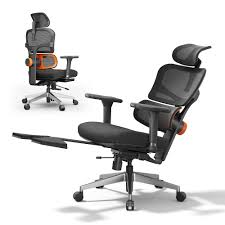
Unlike standard chairs, ergonomic office chairs feature adjustable components such as seat height, lumbar support, armrests, and recline angles. These adjustments allow individuals to customize the chair according to their body type and workstation setup. Proper alignment of the body not only alleviates pressure on critical areas but also contributes to better circulation and reduced fatigue. In addition to physical benefits, ergonomic chairs can significantly impact mental well-being and productivity. Comfortable seating reduces distractions caused by discomfort, enabling employees to focus better on their tasks and maintain efficiency throughout the workday.
As workplaces evolve with hybrid and remote models, the ergonomic office chair has become essential in home offices as well. Selecting a chair that supports long-term health and comfort is now considered a critical investment rather than a luxury. Manufacturers have responded with innovative designs that combine advanced materials, aesthetic appeal, and customizable features to meet the diverse needs of office workers.
Can Ergonomic Office Chairs Improve Health and Posture?
One of the most important advantages of an ergonomic office chair is its contribution to better health. Prolonged sitting in poorly designed chairs often leads to back pain, neck strain, and shoulder tension. Over time, these issues can result in chronic musculoskeletal disorders and decreased overall well-being. Ergonomic office chairs are engineered to counteract these problems through features like contoured seat cushions, adjustable lumbar support, and reclining mechanisms that encourage natural posture.
The seat height and tilt adjustments of an ergonomic chair allow users to position their feet flat on the floor and knees at a comfortable angle, which reduces strain on the lower back and promotes proper spinal alignment. Adjustable armrests help maintain relaxed shoulders and prevent tension in the neck and upper back. Additionally, high-quality ergonomic chairs incorporate breathable fabrics and supportive padding to enhance comfort during long work hours.
Beyond immediate comfort, using an ergonomic office chair consistently can have long-term health benefits. Proper posture maintained by the chair helps reduce the likelihood of chronic pain, improves blood circulation, and can even support better digestion. This focus on health has made ergonomic seating a priority for companies and individuals looking to create sustainable, comfortable workspaces.
Can Ergonomic Office Chairs Boost Workplace Productivity?
Comfort and support directly influence productivity, making the ergonomic office chair a vital component of an efficient workplace. Employees who experience less discomfort are able to concentrate more effectively, work longer periods without fatigue, and demonstrate higher overall output. Modern ergonomic chairs are designed to support active sitting, encouraging subtle movements that prevent stiffness and promote alertness.
In addition to physical comfort, ergonomic chairs contribute to mental focus by minimizing distractions caused by discomfort or strain. The ability to adjust the chair to individual preferences allows employees to maintain optimal posture throughout the day, reducing the need for breaks due to back pain or muscle fatigue. This consistent comfort translates into improved workflow, better collaboration, and a more productive work environment.
Ergonomic office chairs also play a role in workplace satisfaction and employee retention. Providing high-quality seating demonstrates an organization's commitment to health and well-being, fostering a positive company culture. Employees who feel supported in their physical needs are more likely to remain engaged, satisfied, and motivated, which has a measurable impact on organizational efficiency.
Conclusion
An ergonomic office chair is more than just a piece of furniture—it is an investment in health, comfort, and productivity. By supporting proper posture, reducing strain, and enhancing physical well-being, these chairs help professionals perform at their best while minimizing the risk of long-term musculoskeletal issues.
With adjustable features, innovative designs, and high-quality materials, modern ergonomic office chairs offer tailored comfort for diverse work environments. Whether in corporate offices, home workstations, or creative studios, these chairs enable individuals to maintain focus, efficiency, and overall health. Choosing an ergonomic office chair is a step toward a more comfortable, productive, and sustainable approach to modern work life.
More Details: https://newtralchair.com