







The pursuit of optimal facial rejuvenation often requires a multi-modal approach. No single treatment can perfectly address all aspects of aging—loss of volume, skin texture, dynamic lines, and pigment. Fractional CO2 Laser Treatment in Dubai is a powerful workhorse for skin resurfacing and collagen induction, but it achieves its best results when strategically combined with complementary procedures. This blog explores safe, effective combination therapies and the proper sequence to maximize outcomes while minimizing risk.
Combination therapy is the hallmark of sophisticated, personalized aesthetic medicine.
The Logic of Combination Therapy
Each treatment has a primary mechanism:
- Fractional CO2 Laser: Resurfaces epidermis, remodels dermal collagen.
- Neuromodulators (Botox/Dysport): Relax dynamic muscles to prevent and soften expression lines.
- Dermal Fillers (HA, CaHA): Replace lost volume, lift depressions.
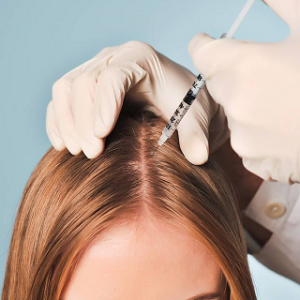
- PRP (Platelet-Rich Plasma): Enhances healing, provides growth factors.
- Microneedling: Stimulates collagen with minimal downtime.
By combining treatments, you address multiple aging pillars simultaneously or in a synergistic sequence.
Safe and Effective Combination Strategies
1. Fractional CO2 Laser + Neuromodulators (Botox)
The Synergy: The laser improves skin quality and texture. Botox stops the repetitive muscle contractions that cause and deepen dynamic wrinkles (like crow's feet and frown lines). Using them together prevents new lines from forming while you improve existing ones.
Timing:
- Option A (Same Session): Botox is injected first, then the laser is performed 10-15 minutes later. The laser does not affect the Botox.
- Option B (Staggered): Botox is done 1-2 weeks before laser. This allows the Botox to take full effect, and the laser then treats the static lines that remain.
Best For: Patients with both dynamic and static wrinkles in the upper face.
2. Fractional CO2 Laser + Dermal Fillers
The Synergy: The laser tightens and thickens the skin. Fillers restore lost volume. A sunken, wrinkled area treated with filler alone will look better but the overlying skin may still be thin and textured. The laser improves that canvas.
Timing:
- Same Session: Possible, but requires expert planning. Fillers are injected first, then the laser is performed carefully around the injection sites (avoiding direct lasing on them). This is common for tear troughs + lower eyelid resurfacing.
- Staggered: More common and safer. Perform the laser first, wait 4-6 weeks for full healing, then place fillers. This allows the provider to see the final skin texture before adding volume.
Best For: Deep nasolabial folds, marionette lines, and tear troughs where both volume loss and skin quality are issues.
3. Fractional CO2 Laser + PRP (The "Vampire Facial")
The Synergy: The laser creates micro-injuries. PRP, derived from your own blood, is rich in growth factors. Applying PRP to the laser-treated skin immediately after can:
- Accelerate healing and reduce downtime.
- Enhance collagen production.
- Improve overall skin tone and luminosity.
Timing: Always in the same session. PRP is applied topically (and sometimes injected) immediately after the laser treatment is complete.
Best For: Patients wanting to maximize collagen boost and speed up recovery, especially those with darker skin tones where healing is slower.
4. Fractional CO2 Laser + Microneedling (with or without RF)
The Synergy: Both induce collagen via micro-injury. Microneedling is less aggressive and can be used on areas unsuitable for laser (e.g., very thin skin, body scars). They can be used in a staggered series to build collagen cumulatively.
Timing:
- Staggered Series: Alternate sessions every 4-6 weeks. E.g., Month 1: Fractional CO2; Month 2: Microneedling; Month 3: Fractional CO2.
- Same Session (Rare): Not recommended due to excessive injury and high complication risk.
Best For: Patients with extensive scarring or texture issues needing a prolonged collagen-building program.
5. Fractional CO2 Laser + Chemical Peels
The Synergy: Both resurface. A superficial chemical peel (e.g., glycolic, salicylic) can be used in the weeks leading up to a fractional CO2 laser to:
- Prime the skin.
- Even out pigment.
- Reduce the risk of PIH.
Timing: Peels are stopped 1-2 weeks before the laser. Never perform a medium or deep peel in the same treatment area within 6 months of a fractional CO2 laser.
Best For: Patients with significant pigmentation alongside texture/scars.
Sequencing and Timing: The Critical Rules
Improper sequencing can lead to disaster (catastrophic scarring, PIH). General rules:
- Laser First, Actives Later: Always perform the more aggressive, deeper treatment (Fractional CO2) before introducing topical actives or milder resurfacing. The laser creates a new skin surface; you then maintain it.
- Allow Full Healing: Wait until the skin is completely healed (no pinkness, no sensitivity) before performing another resurfacing procedure on the same area. This is usually 4-6 months for fractional CO2.
- Injectables are Flexible: Botox and fillers can often be combined or sequenced more flexibly with laser, as they work in different tissue planes. But always inform your injector about recent laser treatments.
- The "Priming" Phase: Using topical retinoids, hydroquinone, or antioxidants for 2-4 weeks before a fractional CO2 laser can significantly reduce PIH risk and improve results. This is a key pre-treatment step.
Combination Protocols for Common Concerns
For Severe Photodamage (Sun Spots + Texture + Wrinkles):
- Pre-treat with hydroquinone/retinoid for 4 weeks.
- Fractional CO2 Laser (full face).
- Apply PRP topically post-laser.
- Post-recovery, begin/maintain retinoid and vitamin C regimen.
- Consider a gentle peel or non-ablative laser for maintenance at 12 months.
For Acne Scars + Active Breakouts (Controlled):
- Get acne under control with oral/topical meds (wait 6 months if on isotretinoin).
- Subcision for rolling scars (if needed).
- Fractional CO2 Laser (focused on scarred areas, possibly with higher density).
- Consider filler for deep boxcars in same session.
- Maintain with microneedling between laser sessions if needed.
For Global Rejuvenation (40s+):
- Fractional CO2 Laser for texture and collagen.
- Botox for dynamic lines (same session or 2 weeks prior).
- Hyaluronic acid filler for volume loss (4-6 weeks post-laser).
- Annual maintenance: Non-ablative laser or gentle fractional.
Risks of Combination Therapy
Adding procedures increases complexity and potential for complications:
- Excessive Injury: Over-treating with multiple modalities can overwhelm the skin's healing capacity, leading to scarring or prolonged healing.
- Pigmentation Chaos: Combining aggressive resurfacing with certain topical agents or unprotected sun can cause severe, stubborn PIH.
- Unpredictable Results: The interaction between treatments can be hard to predict. An expert must plan the sequence.
- Increased Cost and Downtime: While combination can be efficient, it can also compound recovery time.
The Mitigation: A single, experienced medical provider should oversee your entire treatment plan. Do not see a different doctor for each procedure without full communication between them.
The Role of the Expert Provider
A true specialist in combination therapy will:
- Take a full medical and aesthetic history.
- Perform a detailed skin analysis.
- Create a written, phased treatment plan spanning 12-18 months.
- Explain the rationale for the sequence of each treatment.
- Manage your expectations about what each procedure achieves and when.
- Coordinate care if using multiple specialists (e.g., a dermatologist for laser and a plastic surgeon for fillers).
This holistic, long-term view is what separates a cosmetic technician from an aesthetic physician.
Conclusion
Fractional CO2 Laser Treatment in Dubai is a powerful foundation for skin rejuvenation. When intelligently combined with neuromodulators, fillers, PRP, or other resurfacing techniques in a carefully sequenced plan, it can deliver comprehensive, natural-looking, and long-lasting facial rejuvenation. The key is strategy, not just stacking procedures.
If you have multiple concerns—texture, volume, and lines—seek a consultation with a provider who thinks in terms of holistic treatment plans, not isolated procedures. At Tajmeels Clinic, the approach is to assess your unique facial aging pattern and design a customized, multi-modal strategy that addresses all components safely and effectively. The goal is harmony, not just the improvement of one feature at the expense of another.
True aesthetic excellence is found in the combination.