



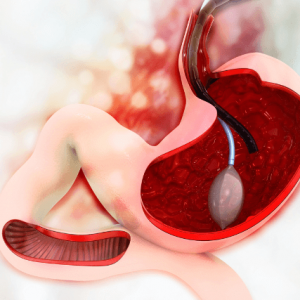






Catheter support at home becomes important when a person requires ongoing assistance with urinary management while staying in a familiar and comfortable environment. Catheter Care at Home in Dubai is often associated with individuals who need structured urinary support due to medical conditions, recovery phases, or long-term mobility limitations. This type of care helps maintain cleanliness, comfort, and routine monitoring without requiring frequent visits to healthcare facilities.
The need for catheter-based support is not limited to a single condition; instead, it arises from different health situations where natural urination is difficult or not possible. Home-based care is designed to ensure dignity, reduce disruption in daily life, and promote consistent hygiene practices while supporting overall well-being.
Understanding When Catheter Care Becomes Necessary
Catheter assistance is generally needed when a person cannot empty the bladder effectively. This may happen temporarily or for extended periods depending on health status. In many situations, home-based catheter management becomes a practical solution that supports daily comfort and reduces physical strain.
Urinary Retention and Bladder Emptying Difficulties
One of the most common reasons for requiring catheter support is urinary retention. This occurs when the bladder does not empty fully or at all. In such cases, catheter use helps maintain normal urinary flow and prevents discomfort caused by bladder pressure.
Recovery After Medical Procedures
Some individuals may require catheter support during recovery phases where temporary bladder assistance is needed. During this period, home-based care ensures that the catheter is managed properly while the body gradually regains normal function.
Reduced Mobility and Physical Limitations
People with limited mobility often find it difficult to access bathroom facilities consistently. Catheter support at home allows them to maintain hygiene and comfort without unnecessary physical strain or risk of imbalance.
Two Main Approaches to Catheter Management at Home
There are two commonly used approaches for catheter support in home settings, each chosen based on the individual’s needs and health condition.
Indwelling Catheter Care Approach
An indwelling catheter remains in place for a longer duration and continuously drains urine from the bladder. This method is often used when long-term support is required.
Care in this approach focuses on maintaining cleanliness around the catheter area, ensuring proper drainage flow, and observing regular hygiene practices. The consistency of care helps reduce complications and supports overall comfort during daily activities.
Intermittent Catheter Care Approach
Intermittent catheterization is used when the catheter is inserted at specific intervals to empty the bladder and then removed afterward. This approach is often suitable for individuals who can manage partial bladder function but still need assistance.
It allows more flexibility in daily life and supports a structured routine where bladder emptying is performed at regular times. Proper technique and hygiene are essential to ensure comfort and smooth function.
Key Situations Where Home-Based Catheter Support Becomes Important
There are several life situations where catheter assistance at home becomes a supportive choice.
Neurological Conditions Affecting Bladder Control
Certain neurological conditions may disrupt normal bladder signals, making it difficult for the body to control urination. In such cases, catheter support helps maintain regular bladder function and prevents discomfort caused by irregular emptying patterns.

Long-Term Health Management Needs
Some individuals require ongoing urinary support due to chronic health challenges. Home-based catheter management offers stability and consistency, allowing them to maintain a structured daily routine without interruption.
Elderly Comfort and Daily Support
Older individuals may experience reduced bladder control or mobility challenges. Home-based catheter assistance helps maintain dignity, comfort, and cleanliness while reducing physical strain in daily activities.
How Home Catheter Support is Maintained Smoothly
Effective catheter management at home depends on maintaining proper routine practices that focus on hygiene, comfort, and regular observation. Consistency is essential in ensuring smooth urinary flow and avoiding unnecessary discomfort.
Care routines often include maintaining cleanliness around the catheter area, ensuring the drainage system works properly, and observing any changes in urinary patterns. These practices help create a stable and comfortable environment for the individual receiving care.
Emotional Comfort and Quality of Life Considerations
Beyond physical support, catheter care at home also contributes to emotional comfort. Staying in a familiar environment helps reduce stress and supports a sense of independence. Individuals often feel more relaxed when their care is managed in a consistent and respectful manner.
Family involvement and supportive routines further enhance confidence and comfort, making daily living easier and more manageable.
Benefits of Receiving Catheter Support at Home
Home-based catheter assistance offers several advantages that contribute to overall well-being. It allows individuals to maintain privacy, reduces unnecessary movement, and supports a stable daily routine. It also helps ensure that care is delivered in a calm and controlled environment where comfort is prioritized.
This approach also supports better consistency in care practices, which plays an important role in maintaining hygiene and reducing complications associated with improper catheter handling.
Practical Understanding of Daily Care Needs
Daily catheter management involves understanding the importance of timing, cleanliness, and observation. Regular attention ensures that the catheter functions properly and supports smooth urinary drainage throughout the day.
A structured routine helps individuals and caregivers stay consistent, reducing confusion and improving overall comfort. Clear communication and attentiveness are key elements in maintaining effective home-based catheter support.
When Catheter Support Becomes a Long-Term Requirement
In some cases, catheter use becomes a long-term necessity due to ongoing health conditions. During such situations, home-based care becomes especially valuable as it provides stability and reduces the need for frequent external support environments.
Catheter Care at Home may be considered in situations where individuals need continuous assistance, ensuring that comfort and hygiene remain consistent over time.
Conclusion
Catheter support at home is an important part of maintaining comfort, dignity, and daily stability for individuals who face challenges with natural urinary function. From temporary recovery needs to long-term health conditions, home-based care provides a structured and supportive approach that focuses on cleanliness, routine, and emotional ease. When managed correctly, it helps individuals maintain a balanced lifestyle while receiving necessary assistance in a familiar setting, making daily living more manageable and respectful.