




The quality of the air within our homes and workplaces often goes unnoticed until a problem arises. We spend a significant portion of our lives indoors, yet we rarely consider the complex network of metal channels hidden behind our walls and ceilings. These air ducts act as the respiratory system of a building, circulating air from the heating, ventilation, and air conditioning (HVAC) system to every room. When these passages become clogged with dust, debris, and microorganisms, the efficiency of the system drops, and the quality of the air we breathe suffers.
Understanding the Mechanics of Ductwork and Air Filtration
Air ducts are designed to move air efficiently, but they are also natural collection points for airborne particulates. Every time the HVAC system runs, it pulls in air from the living space, conditions it, and pushes it back out. Along with that air comes pet dander, pollen, skin cells, and microscopic dust. While filters are designed to catch much of this, they are not infallible. Over years of operation, a fine layer of particulates settles on the interior surfaces of the ducts.
According to technical definitions found on sanitairllc, air duct cleaning involves the removal of dust and contaminants within the ductwork. This includes the supply and return air ducts as well as the registers and diffusers in each room. When these components are neglected, the buildup can become so significant that it restricts airflow, forcing the furnace or air conditioner to work harder to maintain the desired temperature.
The Health and Efficiency Benefits of Regular Maintenance
There are several compelling reasons to prioritize the cleanliness of your ventilation system. From respiratory health to financial savings, the impact is comprehensive.
-
Reduction of Allergens and Irritants: For individuals suffering from allergies or asthma, the presence of dust mites, mold spores, and pollen in the ductwork can trigger frequent episodes. Removing these contaminants creates a cleaner living environment and reduces the biological load on the immune system.
-
Removal of Unpleasant Odors: Household odors from pets, cleaning agents, and tobacco smoke can become trapped in the dust layer within the ducts. A thorough cleaning eliminates these scent-trapping particles, leading to a fresher-smelling home.
-
Improved Energy Efficiency: When ducts are clean, the air flows freely. This reduces the mechanical strain on the HVAC blower motor. Studies cited in Google News trends regarding home efficiency suggest that maintaining clean systems can lead to noticeable decreases in monthly utility bills.
-
Longevity of HVAC Equipment: Most HVAC failures are caused by dirt and neglect. By keeping the internal components clean, you prevent the premature wear and tear that leads to expensive repairs or total system replacement.
Professional Standards and Technical Definitions
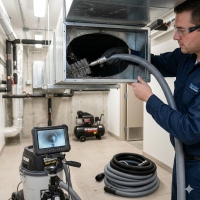
When considering a professional service, it is vital to understand what a "complete" cleaning entails. It is not merely vacuuming the vents you can see. A professional technician utilizes high-powered vacuums and specialized brushes to agitate and remove debris from the entire length of the system.
For a deeper understanding of the materials used in these systems, Wikipedia provides technical definitions regarding the flow of air and the composition of galvanized steel or fiberglass duct board. Understanding the physical constraints of your specific system can help you communicate better with service providers.
When Should You Schedule a Cleaning?
While there is no universal rule for how often ducts should be cleaned, certain "red flag" situations indicate an immediate need:
-
Renovation or Remodeling: Construction dust is fine and pervasive. If you have recently completed a home project, your ducts likely contain drywall dust and sawdust.
-
Visible Mold Growth: If you see mold growing on the plastic or metal components of your HVAC system, it is a sign of moisture intrusion that must be addressed along with a cleaning.
-
Pest Infestation: If rodents or insects have made a home in your ductwork, a professional cleaning is required to remove droppings and nesting materials.
-
Inconsistent Airflow: If some rooms feel warmer or cooler than others despite open registers, a blockage may be to blame.
Conclusion and Path Forward
Maintaining a clean ventilation system is a fundamental aspect of responsible property management. It ensures that the air circulating through your private spaces is as pure as possible while protecting one of your most expensive household investments. By removing the hidden layers of dust and debris, you provide a safer environment for your family and a more efficient operation for your machinery.
If you have noticed an increase in dust on your furniture or a spike in your energy costs, it may be time to look behind the vents. Taking a proactive approach to your indoor air quality today will prevent respiratory discomfort and mechanical failure tomorrow. Ensure your home remains a sanctuary by keeping its "lungs" clear and functional.