







The harmonized tariff code plays a fundamental role in international trade by providing a standardized system for classifying goods across different countries. It is commonly known as the Harmonized System (HS) code, and it is used globally to identify products for customs, taxation, shipping, and trade regulation purposes. Every product that crosses international borders is assigned a specific harmonized tariff code that defines its category, material, and function in a structured numerical format.
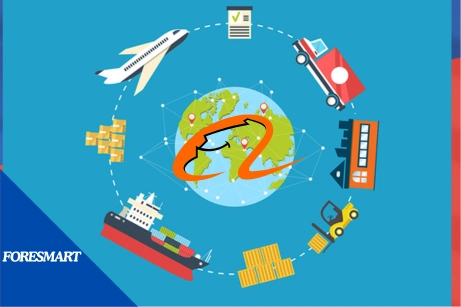
The harmonized tariff code system is maintained under the guidance of the World Customs Organization, and it is recognized by more than 200 countries. This global acceptance makes it one of the most important tools in import and export operations. When goods are shipped internationally, customs authorities rely on these codes to determine how much duty or tariff should be applied, whether any restrictions exist, and how the product should be documented in trade records.
A harmonized tariff code is not just a random number but a carefully structured classification. It is designed in a way that each digit represents a deeper level of product identification. The first few digits identify the general category, while the later digits define more specific characteristics of the product. This structured approach ensures that the same product is classified consistently across different countries, reducing confusion in global commerce.
Businesses engaged in import export activities must understand the importance of correct tariff classification. Even a small mistake in assigning the harmonized tariff code can lead to customs delays, financial penalties, or incorrect duty calculations. In many cases, goods may be held at ports until the correct classification is confirmed, which can disrupt supply chains and increase operational costs.
The harmonized tariff code is also essential for international trade statistics. Governments and trade organizations use this data to analyze import and export trends, monitor economic performance, and design trade policies. Without a standardized system like the HS code, global trade data would be inconsistent and difficult to interpret.
In modern trade environments, digital HS code databases and classification tools are widely used to improve accuracy. These systems allow businesses to search for the correct harmonized tariff code based on product descriptions, materials, and industry categories. This has significantly reduced manual errors and improved efficiency in global logistics and customs compliance.
Harmonized Tariff Code Lookup in Import Export Compliance and Duties?
The harmonized tariff code lookup process is a critical step in ensuring smooth import export compliance and accurate duty calculation. Every international shipment must include a valid HS code on customs documentation such as commercial invoices, packing lists, and shipping declarations. This code determines how the product will be treated by customs authorities and what taxes or tariffs will apply.
When businesses perform a harmonized tariff code lookup, they are essentially identifying the most accurate classification for their product within the global tariff system. This process requires careful analysis of the product’s composition, usage, and industry category. For example, a product made of plastic, metal, or textile will fall under different tariff classifications, even if their functions appear similar.
Customs authorities depend heavily on the harmonized tariff code to enforce trade regulations. If a product is classified incorrectly, it may result in overpayment or underpayment of duties. Overpayment increases business costs, while underpayment can lead to fines, audits, or shipment delays. This makes accurate tariff classification essential for maintaining compliance in international trade operations.
The harmonized tariff code also plays a significant role in free trade agreements and preferential duty programs. Many countries offer reduced or zero tariffs for goods that meet specific classification criteria. However, these benefits are only available when the correct HS code is applied. This makes harmonized tariff code lookup an essential part of cost optimization in global supply chains.
In industries such as electronics, pharmaceuticals, machinery, textiles, and food processing, accurate HS code classification is especially important. These sectors often involve complex products with multiple components, making correct tariff classification more challenging. Businesses in these industries often rely on customs brokers, trade consultants, or automated classification systems to ensure accuracy.
The growth of e-commerce and global digital trade has further increased the importance of harmonized tariff code lookup. Online sellers shipping products internationally must ensure that every item is correctly classified to avoid customs issues. Many logistics platforms now integrate HS code search tools directly into their shipping systems to simplify the process for businesses of all sizes.
Beyond customs compliance, the harmonized tariff code also supports international economic research and policy-making. Trade organizations use HS code data to track global commerce patterns, evaluate market demand, and identify emerging trade opportunities. This makes the harmonized tariff code not only a regulatory requirement but also a valuable tool for economic analysis.
Conclusion: Harmonized Tariff Code in International Trade Success
The harmonized tariff code is a cornerstone of modern international trade, ensuring that products are accurately classified, taxed, and regulated across global markets. Its standardized structure allows businesses, governments, and trade organizations to communicate effectively and maintain consistency in customs procedures.
From customs duties and import export documentation to trade compliance and economic analysis, the harmonized tariff code supports every stage of global commerce. Accurate HS code classification reduces risks, prevents delays, and ensures that businesses comply with international trade laws while optimizing costs.