









Millions of families across Pakistan watch their children grow up without ever holding a book properly. The country sits at a crossroads where nearly four out of every ten citizens cannot read a simple sentence. Behind this painful reality lies a question most people overlook: who is preparing the people who teach our next generation? The answer points directly toward teacher training as the missing piece that could reshape how Pakistan fights its deep-rooted literacy problem.
Why Millions of Pakistanis Still Cannot Read or Write
Forget the statistics you have seen repeated everywhere. Walk into any village school in southern Punjab or interior Sindh, and you will find classrooms where one person stands in front of sixty kids with zero formal preparation on how to actually teach them. Female literacy drops to shocking levels in tribal belt regions, and dropout numbers keep climbing each year because students simply stop showing up when lessons make no sense to them.
Read Blog: Challenges Teachers Face in Pakistan and How Training Solves Them
The root cause is not just poverty or infrastructure. It is the massive gap between having schools on paper and having someone inside those schools who genuinely knows how to unlock a child's ability to learn.
Connecting Qualified Educators to the Literacy Problem
Picture a classroom where the person at the front understands exactly how a seven-year-old brain absorbs new words. That is what properly designed teacher training programs produce. Here is what changes when educators receive structured preparation:
- Reading instruction improves dramatically: educators discover phonics-based, activity-driven methods that turn struggling readers into confident readers within months.
- Fewer students fall through the cracks: Trained professionals spot early signs of learning difficulties and adjust their approach before a child gives up entirely.
- Girls stay enrolled longer: Female educators with adequate training often serve as role models in conservative communities, encouraging families to keep their daughters in school.
- Rural classrooms become functional: Instead of rote memorisation and copying from blackboards, lessons start involving discussion, curiosity, and real comprehension.
Each skilled educator who walks into an underserved school has the potential to permanently pull dozens of families out of the cycle of illiteracy.
Rising Interest in Teaching Courses Across the Country
Something encouraging is happening quietly. Young graduates from Lahore to Quetta are actively searching for teaching courses in Pakistan that offer real skills rather than just a piece of paper. Career seekers now view education as a field where they can earn a respectable income while making a visible difference.
Earning a teaching certificate in Pakistan has shifted from being a backup plan to a deliberate career move. Schools, nonprofits, and community learning centres all prefer hiring candidates who bring verified pedagogical knowledge to the table.
Our earlier piece on the Role of Teacher Training in Pakistan's Education Reforms digs deeper into how certified educators are actively shaping policy outcomes at provincial and national levels.
Selecting a Teacher Training Institute That Delivers Real Value
A certificate only matters when it comes from a credible source. Keep these pointers front and centre while evaluating any teacher training institute:
- Verify recognition: Confirm affiliation with provincial education boards or nationally recognised accreditation bodies.
- Examine the syllabus closely: Strong programmes mirror actual classroom demands rather than outdated theoretical content.
- Demand practical hours: Any worthwhile programme includes supervised practice teaching, school placements, or mentoring sessions.
- Ask about alumni outcomes: Institutes worth your investment can show you where their graduates work.
Cutting corners on programme selection leads to wasted time and a certificate that employers quietly ignore.
Obstacles Standing Between Progress and Reality
Awareness alone will not fix everything. Remote districts still have almost no access to teacher training courses, and women in many areas face cultural resistance when pursuing professional development. Provincial budgets earmarked for educator preparation barely scratch the surface of actual demand.
Our detailed analysis on Teacher Training Challenges in Developing Education Systems unpacks these systemic roadblocks and explores what neighbouring countries have done differently to overcome similar hurdles.
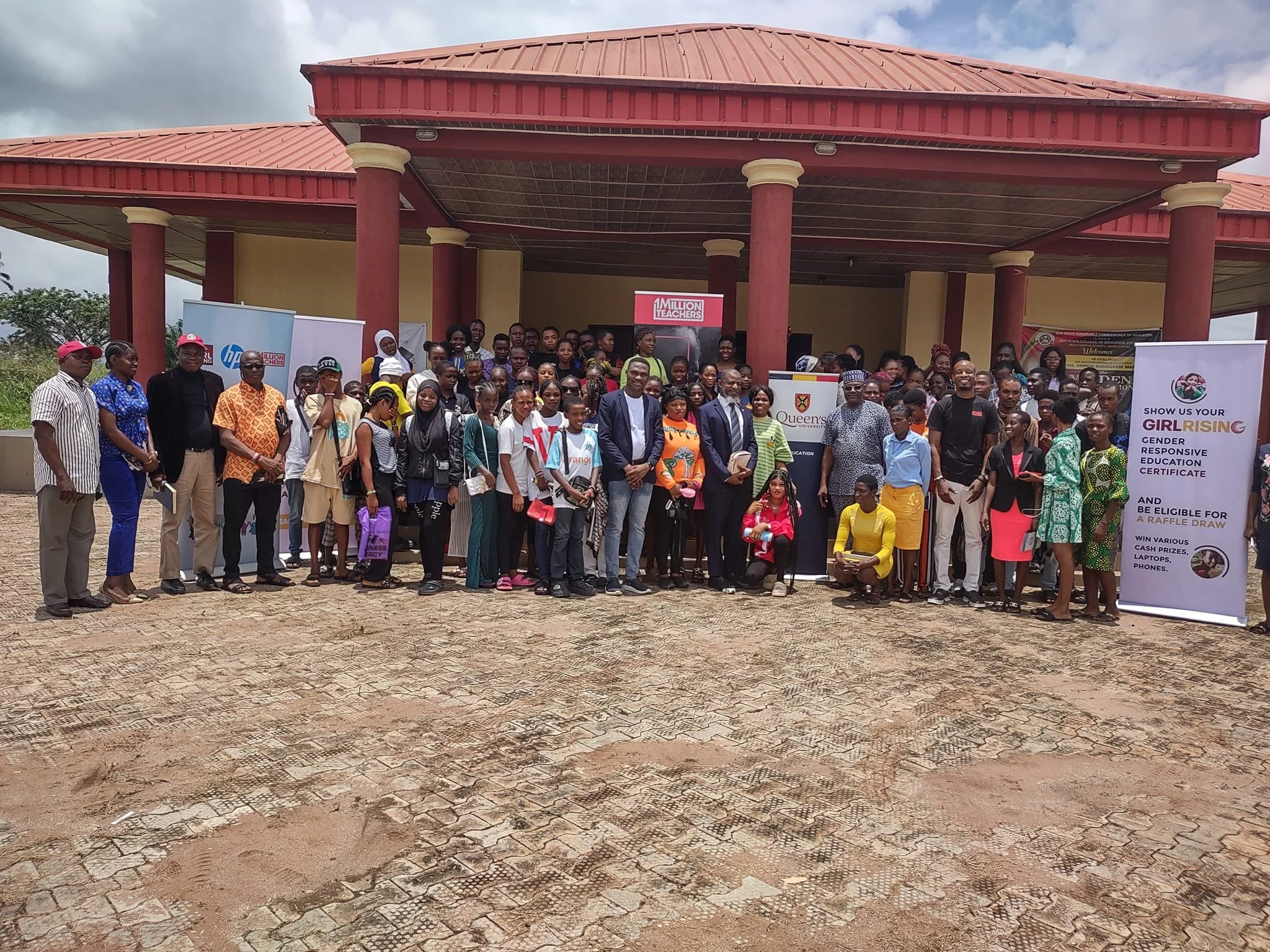
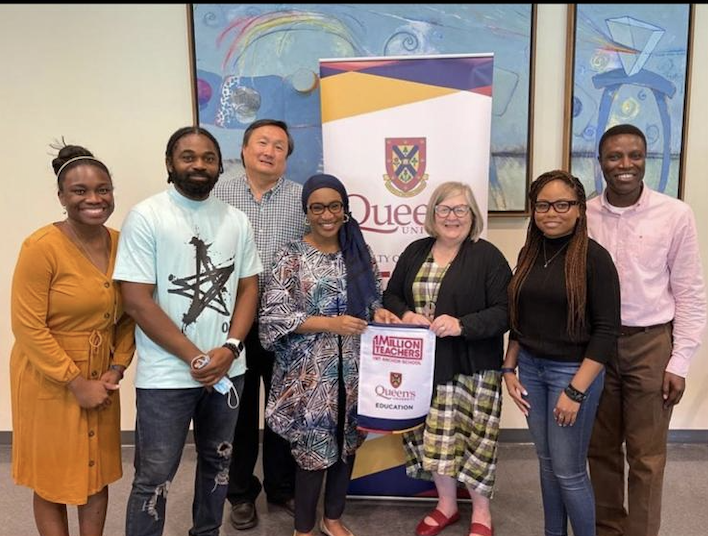
Efforts from organisations such as 1MT Cares demonstrate that community-driven support for educator development can reach places where government programmes have not yet arrived.
Your Roadmap to Entering the Education Field
Ready to become part of the solution? Follow this practical sequence:
- Check where you qualify: Entry-level certifications typically ask for intermediate education, while degree programmes require a completed bachelor's.
- Compare your options thoroughly: Look at programme length, total cost, delivery format, and what the curriculum actually covers.
- Prioritise accredited institutions: A recognised credential opens doors that unverified certificates simply cannot.
- Invest fully in your training period: Attend every practice session, ask questions, and treat classroom placements as seriously as final exams.
- Target positions where need is greatest: Underserved schools and community education projects desperately need fresh, trained talent.
One Trained Educator Changes Everything
Pakistan will not wake up literate tomorrow morning. But every single person who completes a credible programme in teaching courses and steps into a neglected classroom starts a chain reaction: students learn to read, families begin valuing education, and entire communities shift their trajectory across one generation.
You do not need permission to start. Find an accredited programme that matches your ambitions, commit to building genuine classroom skills, and place yourself exactly where Pakistan needs you most right now.
Also Read: Top 5 Steps to Become a Certified Teacher in Pakistan