


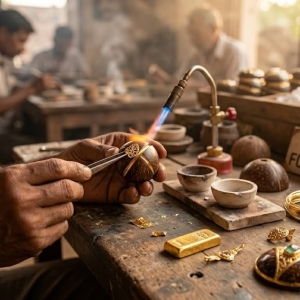





Jewellery in India is far more than an accessory—it is a reflection of identity, heritage, emotion, and tradition. From ancient civilizations to modern society, the importance of jewellery has remained deeply rooted in Indian culture. Whether it is a simple silver anklet or an elaborate gold necklace, every piece carries meaning that goes beyond its material value.
A Reflection of Cultural Heritage
India is a land of diverse cultures, traditions, and communities, each with its own unique style of jewellery. From the intricate temple jewellery of South India to the colorful meenakari designs of Rajasthan, jewellery showcases regional artistry and craftsmanship passed down through generations.
These pieces are not just decorative items; they are symbols of history and identity. For instance, traditional bridal jewellery varies widely across states, reflecting local customs and beliefs. Wearing such jewellery helps individuals stay connected to their roots and preserve their cultural legacy.
Emotional Significance Across Generations
One of the strongest aspects of the importance of jewellery in India lies in its emotional value. Jewellery is often passed down as heirlooms from one generation to the next. A grandmother’s necklace or a mother’s bangles carry stories, memories, and blessings.
These pieces become symbols of love, continuity, and family bonds. They are worn not just for beauty but to feel connected to loved ones, even across time. In many families, jewellery is associated with milestones—births, weddings, anniversaries—making it deeply intertwined with personal histories.
Jewellery as a Symbol of Tradition and Ritual
In India, jewellery plays a central role in rituals and ceremonies. Weddings, in particular, highlight the importance of jewellery like no other occasion. Bridal jewellery is not merely ornamental; each piece has symbolic meaning.
For example:
- Mangalsutra represents marital commitment
- Bangles symbolize prosperity and happiness
- Nose rings and anklets are tied to cultural and regional traditions
Religious ceremonies and festivals also involve jewellery, where people adorn themselves to honor deities and celebrate auspicious occasions. In many traditions, specific types of jewellery are believed to bring good luck, protection, and positive energy.
Financial Security and Investment
Beyond emotional and cultural aspects, jewellery in India also serves as a form of financial security. Gold and silver jewellery are often considered investments, especially in rural and semi-urban areas where access to formal banking may be limited.
Families invest in jewellery as a safeguard for the future. It can be sold or pledged during times of need, making it both a decorative and practical asset. This dual role enhances the importance of jewellery in everyday life.
Gold, in particular, is seen as a symbol of wealth and stability. Buying gold during festivals like Diwali or Akshaya Tritiya is considered auspicious, blending financial planning with cultural beliefs.
Expression of Identity and Status
Jewellery is also a powerful medium of self-expression. The type of jewellery one wears can reflect social status, personal taste, and even profession. In many communities, specific designs or materials indicate marital status, caste, or regional affiliation.
Modern India has seen a shift where jewellery is also used to express individuality and style. While traditional designs remain popular, contemporary jewellery allows people to blend heritage with modern fashion, creating a unique identity.
Spiritual and Symbolic Beliefs
In Indian culture, jewellery is often associated with spiritual beliefs. Many pieces are designed based on ancient principles that link the body’s energy points with specific metals and gemstones.
For example:
- Gold is believed to bring warmth and positive energy
- Silver is associated with cooling properties and calmness
- Gemstones are worn for astrological benefits
These beliefs add another layer to the importance of jewellery, making it not just an adornment but also a source of spiritual balance and well-being.
Role in Women’s Empowerment
Historically, jewellery has also played a role in empowering women. In many households, jewellery is considered a woman’s personal asset, giving her a sense of financial independence and security.
Even today, owning jewellery provides a level of confidence and autonomy. It can act as a safety net during difficult times, reinforcing its importance beyond aesthetics.
Evolving Trends in Modern India
While tradition remains strong, the perception of jewellery in India is evolving. Younger generations are redefining its significance by embracing minimalistic designs, sustainable materials, and personalized pieces.
However, the emotional and cultural core remains intact. Even modern jewellery often incorporates traditional elements, ensuring that the legacy continues in new forms.
The importance of jewellery today lies in its ability to adapt while preserving its essence. It bridges the gap between the past and the present, allowing individuals to honor tradition while expressing modern values.
Conclusion
The importance of jewellery in India goes far beyond its physical beauty or monetary worth. It is a powerful symbol of culture, emotion, tradition, and identity. From marking life’s most significant moments to serving as a form of security and self-expression, jewellery holds a unique place in Indian society.
It tells stories, preserves heritage, and connects generations. Whether worn during grand celebrations or cherished as a family heirloom, jewellery remains an enduring part of India’s cultural fabric—timeless, meaningful, and deeply personal.