





Glass on boats and waterfront homes does more than look good. It protects, insulates, and keeps views clear. And in coastal areas, conditions are not easy. Salt air, strong sun, and constant moisture all take a toll. So, the choice of glass matters from day one. Experts working in custom glass fabrication in Fort Myers focus on strength, clarity, and long-term use, not just appearance. Let’s break down the main types of glass used and where each one fits best.
Why the Right Glass Choice Matters?
First, marine and waterfront settings are harsh. Heat builds fast. Water exposure is constant. Wind pressure can also be intense. Because of this, regular glass often does not last long. Instead, specialized materials are used to handle:
- Impact from waves and debris
- UV exposure from strong sunlight
- Constant moisture and salt
- Structural stress from movement
So, choosing the right type is not optional. It is essential.
Tempered Glass: Strong and Reliable
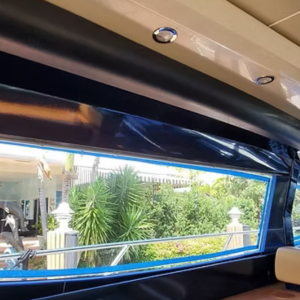
Tempered glass is a go-to option for many marine projects. It is heat-treated to increase strength. As a result, it becomes much tougher than standard glass. If it breaks, it shatters into small, blunt pieces. This makes it safer.
Common uses:
- Boat side windows
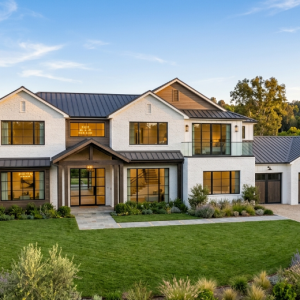
- Exterior doors in waterfront homes
- Areas with high sun exposure
Why it works:
- Handles heat well
- Resists impact better than regular glass
- Safer break pattern
However, once it is made, it cannot be reshaped. So, accurate measurements matter.
Laminated Glass: Safety Comes First
Next comes laminated glass. This type uses layers with a plastic sheet in between. Even if it cracks, it stays in place. Because of this, it is often used where safety is a top concern.
Where it is used:
- Yacht windshields
- Front-facing windows
- High-impact zones
Key benefits:
- Holds together after impact
- Reduces outside noise
- Blocks a good amount of UV rays
In rough waters, this type adds peace of mind.
Insulated Glass: Better Indoor Comfort
Now, for waterfront homes, comfort matters just as much as strength. Insulated glass helps control indoor temperature. It uses two or more panes with air or gas in between.
Best for:
- Coastal homes
- Large window panels
- Glass doors facing open water
Why people choose it:
- Keeps interiors cooler
- Reduces energy bills
- Cuts down condensation
So, it is a smart pick for both comfort and savings.
Acrylic and Polycarbonate: Light but Tough
Sometimes, glass is not the only option. Acrylic and polycarbonate are clear plastics. They are lighter but still strong.
Common applications:
- Boat enclosures
- Curved window panels
- Lightweight replacements
What makes them useful:
- Easier to shape into curves
- More impact-resistant in some cases
- Lower weight, which helps the boat balance
Still, they can scratch more easily. So, proper care is needed.
Low-Iron Glass: Clearer Views
If clarity is the goal, low-iron glass stands out. It removes the green tint seen in regular glass. So, the view looks more natural and sharp.
Ideal for:
- Luxury yachts
- Scenic waterfront homes
- Decorative panels
Benefits:
- High transparency
- Clean look
- Better light flow
It is often chosen where visuals matter most.
Curved Glass: Designed to Fit
Curved glass is common in boats. Straight glass does not always match the shape of a vessel. So, custom curves are created. This process needs skill and precision.
Where it is used:
- Yacht windshields
- Rounded cabins
- Modern architectural features
Why it matters:
- Fits complex designs
- Improves airflow on boats
- Adds a premium look
Professionals handling custom glass fabrication in Fort Myers often specialize in curved designs because they require exact execution.
Coated Glass: Extra Protection
Finally, coated glass adds another layer of performance. Special coatings can reduce heat, glare, and UV damage.
Types include:
- Tinted glass
- Reflective coatings
- UV-blocking layers
Best suited for:
- Sun-facing windows
- Boats exposed to open water
- Homes with large glass surfaces
So, coatings help glass last longer and perform better.
How Experts Decide What to Use?
Not every project needs the same glass. In fact, the choice depends on:
- Location and exposure
- Design shape and size
- Safety requirements
- Budget and long-term use
Experts in custom glass fabrication in Fort Myers study all these factors first. Then, they recommend the right mix of materials.
Final Thoughts
Glass is not just a design feature in boats and waterfront properties. It plays a key role in safety, comfort, and durability. Each type, from tempered to laminated to coated, serves a clear purpose. The right choice depends on how the space is used and what it faces daily. Working with specialists in custom glass fabrication in Fort Myers helps avoid costly mistakes. It also ensures the final result looks good and performs well over time.