


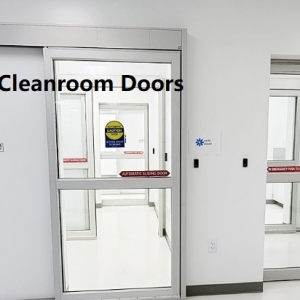




In modern architecture and facility engineering, Automatic Sliding Doors are widely used as essential components for controlled entry, energy management, and user convenience in high-traffic environments. As building technology advances toward automation and smart infrastructure, Automatic Sliding Doors are increasingly integrated into systems that prioritize hygiene, safety, and operational efficiency.
Smart Detection Systems and Automation Logic
Modern automatic sliding door systems rely heavily on intelligent detection technologies that enable hands-free operation. These systems typically use infrared sensors, radar modules, or motion detection units to identify approaching individuals and trigger door movement instantly.
The automation logic behind these systems is designed to balance responsiveness and safety. Doors must open quickly enough to avoid delays but also remain stable to prevent unnecessary activation caused by background movement. Advanced controllers process multiple signals simultaneously, filtering out false triggers and ensuring accurate detection.
In high-traffic environments such as shopping centers, airports, and hospitals, adaptive sensor calibration helps optimize performance based on real-time usage patterns. This ensures that door operation remains efficient even during peak traffic conditions.
Mechanical Structure and Load-Bearing Design
The mechanical structure of sliding door systems is engineered for long-term durability and smooth operation. Aluminum alloy frames are commonly used due to their lightweight properties and resistance to corrosion.
The sliding track system is one of the most critical components. Precision-engineered rails and rollers ensure that door panels move smoothly with minimal friction. This reduces wear and extends the operational lifespan of the system.
In addition, shock absorption mechanisms are integrated to reduce vibration and noise during opening and closing cycles. This improves user experience and ensures that the system remains suitable for quiet environments such as offices and healthcare facilities.
YD-Purification Clean Environment Engineering Integration
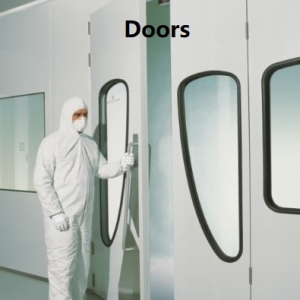
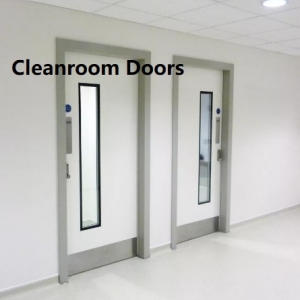
YD-Purification focuses on integrating advanced environmental control principles into architectural access systems. In cleanrooms, laboratories, and medical environments, maintaining controlled airflow and contamination prevention is essential.
Sliding door systems designed for such environments often include airtight sealing structures that minimize air exchange between internal and external spaces. This helps maintain stable pressure conditions and reduces the risk of airborne contamination.
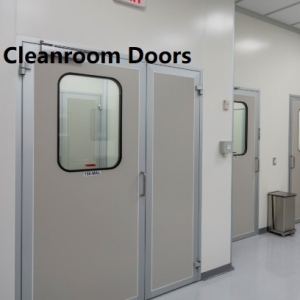
Surface materials are selected for their smoothness and ease of cleaning. Non-porous finishes prevent dust accumulation and support strict hygiene requirements in sensitive environments such as pharmaceutical production facilities and surgical rooms.
Energy Optimization and Environmental Efficiency
Energy efficiency is a major advantage of automated sliding door systems. By reducing unnecessary door openings and ensuring rapid closure, these systems help maintain indoor temperature stability.
This reduces the load on heating, ventilation, and air conditioning systems, leading to lower energy consumption and operational costs. In large commercial buildings, this effect becomes significant over time, contributing to sustainability goals.
Thermal insulation performance is further enhanced through sealing technologies that reduce air leakage. This helps maintain a controlled indoor environment while minimizing energy loss.
Safety Engineering and Emergency Response Systems
Safety is a critical consideration in sliding door design. Modern systems are equipped with obstacle detection features that immediately stop or reverse door movement when an obstruction is detected.
Emergency release mechanisms ensure that doors can be opened manually during power outages or emergency situations. This is essential for maintaining safe evacuation routes in public buildings.
Backup power systems can also be integrated to ensure uninterrupted operation during electrical failures, improving overall building safety and reliability.
Maintenance Design and Long-Term Operational Stability
Maintenance efficiency is an important aspect of sliding door system design. Modular construction allows easy access to key components such as motors, sensors, and control units.
Routine maintenance includes cleaning sensor surfaces, lubricating mechanical tracks, and checking system calibration. These procedures help ensure consistent performance and prevent unexpected breakdowns.
Corrosion-resistant materials and durable coatings further enhance system longevity, making the doors suitable for both indoor and semi-outdoor installations.
In conclusion, modern automatic entry systems are essential for efficient building operation, combining automation, safety, and energy optimization. For more technical solutions and product information, visit https://www.yd-purification.com/ .