







The China Laos railway has emerged as one of the most influential infrastructure developments in Southeast Asia, reshaping how countries trade, travel, and collaborate economically. This modern cross-border railway connects Kunming in China’s Yunnan Province with Vientiane, the capital of Laos, creating a strategic transport corridor that strengthens regional integration and global supply chain connectivity. As part of broader initiatives to enhance infrastructure across Asia, the railway is widely recognized for its role in reducing logistics costs, accelerating trade flows, and promoting sustainable economic development.
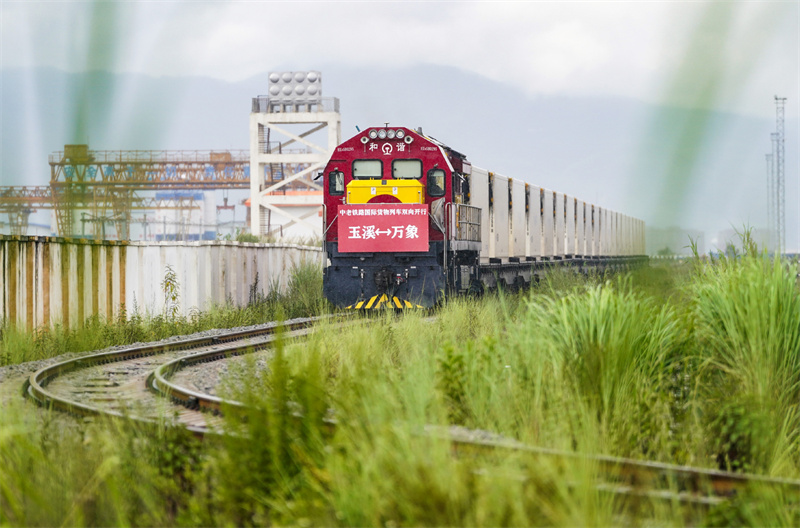
The China Laos railway project is not just a transportation link; it is a long-term economic catalyst that is transforming Laos from a landlocked country into a land-linked hub. By improving accessibility and connectivity, the railway has opened new opportunities for trade expansion, tourism development, and international investment across the region.
China Laos Railway Infrastructure and Strategic Route Development
The China Laos railway route development represents a major engineering achievement, designed to navigate complex terrains including mountains, valleys, and river systems. Stretching over a thousand kilometers, the railway forms a direct and efficient connection between Kunming and Vientiane, significantly reducing travel time and improving transport reliability.
This advanced rail system incorporates modern infrastructure such as long tunnels, elevated bridges, and high-speed rail technology. It supports both passenger and freight services, making it suitable for a wide range of transportation needs. The Kunming to Vientiane rail corridor has become a key artery for regional mobility, enabling smoother movement of goods and people across borders.
The Kunming Vientiane railway connection plays a strategic role in regional development planning. It enhances Laos’s integration into international trade networks and strengthens economic ties with China and other Southeast Asian countries. This railway is also considered a foundational element in the broader vision of trans-Asian rail connectivity, linking multiple countries through a unified transportation system.
China Laos Railway Economic Transformation and Trade Expansion
The economic impact of China Laos railway has been profound, especially in the areas of trade efficiency, investment attraction, and industrial development. By significantly reducing transportation costs and delivery times, the railway has improved the competitiveness of businesses operating between China and Laos.
Cross-border trade has expanded rapidly due to improved logistics infrastructure. Products such as agricultural goods, minerals, and manufactured items can now move more efficiently between markets. Laos, in particular, benefits from enhanced access to Chinese consumers, allowing local producers to export goods more effectively and profitably.
At the same time, imports from China are delivered more quickly, supporting retail markets, construction industries, and manufacturing sectors in Laos. This improved trade flow has strengthened economic interdependence between the two nations and contributed to regional economic stability.
The railway has also encouraged the development of industrial zones along the China Laos railway corridor. These areas attract foreign direct investment, especially in logistics, manufacturing, and distribution sectors. Businesses benefit from reduced transportation costs and improved access to regional markets, making the corridor an attractive destination for long-term investment.
Employment opportunities have expanded significantly as a result of railway construction and ongoing operations. Local communities benefit from jobs in transportation, tourism, logistics, and trade-related industries, contributing to improved income levels and economic growth across the region.
China Laos Railway Tourism Development and Cultural Connectivity
The China Laos railway tourism growth has become one of the most visible benefits of the project. With faster, safer, and more comfortable passenger services, the railway has made travel between China and Laos more accessible for both domestic and international tourists.
Laos, known for its rich cultural heritage, ancient temples, and natural landscapes, has experienced a surge in tourism due to improved connectivity. Travelers can now reach key destinations more easily, encouraging exploration of cultural landmarks, historical sites, and scenic regions across the country.
The railway has also supported the growth of tourism-related businesses. Hotels, restaurants, transport services, and travel agencies have benefited from increased visitor numbers. This growth has strengthened local economies and encouraged sustainable tourism development in both urban centers and rural areas.
The Kunming to Vientiane tourism rail route has become a popular travel corridor, offering scenic journeys and cultural experiences. It promotes not only tourism but also cultural exchange, allowing people from China and Laos to interact more frequently and build stronger social connections.
In addition to economic benefits, the railway plays a significant role in enhancing cultural understanding between nations. Increased travel fosters greater awareness, cooperation, and friendship between communities, contributing to long-term regional harmony and collaboration.
China Laos Railway Regional Connectivity and Future Development Potential
The China Laos railway regional connectivity expansion is expected to play a crucial role in shaping the future transportation landscape of Southeast Asia. As countries in the region continue to invest in rail infrastructure, the China Laos railway serves as a central link in a growing network of international rail corridors.
Future expansion plans may extend connections into Thailand, Malaysia, and other parts of Southeast Asia, creating a fully integrated rail system that supports seamless cross-border transportation. This development would significantly improve regional trade efficiency and strengthen economic cooperation among ASEAN countries.
The railway also contributes to environmental sustainability by offering a more energy-efficient alternative to road and air transport. Rail systems produce lower carbon emissions, making them an important part of global efforts to reduce environmental impact and promote green transportation solutions.
Technological advancements in railway operations are expected to further improve efficiency and service quality. Innovations in logistics management, scheduling systems, and freight handling will enhance the performance of the railway and support increasing demand for transportation services.
The future of China Laos railway development is closely linked to regional economic policies and international cooperation frameworks. As connectivity continues to improve, the railway will play an even greater role in supporting economic integration and sustainable development across Southeast Asia.
Conclusion
The China Laos railway has established itself as a transformative infrastructure project that is reshaping trade routes, tourism industries, and regional connectivity across Asia. By linking Kunming and Vientiane through a modern and efficient railway system, it has significantly improved logistics performance, strengthened cross-border trade, and encouraged investment and tourism growth.
Its impact continues to expand as regional integration deepens and trade volumes increase. The railway not only supports current economic development but also lays the foundation for future connectivity across Southeast Asia. As a result, the China Laos railway is becoming a vital transportation corridor that will continue to drive economic growth, strengthen international cooperation, and shape the future of regional development for decades to come.