





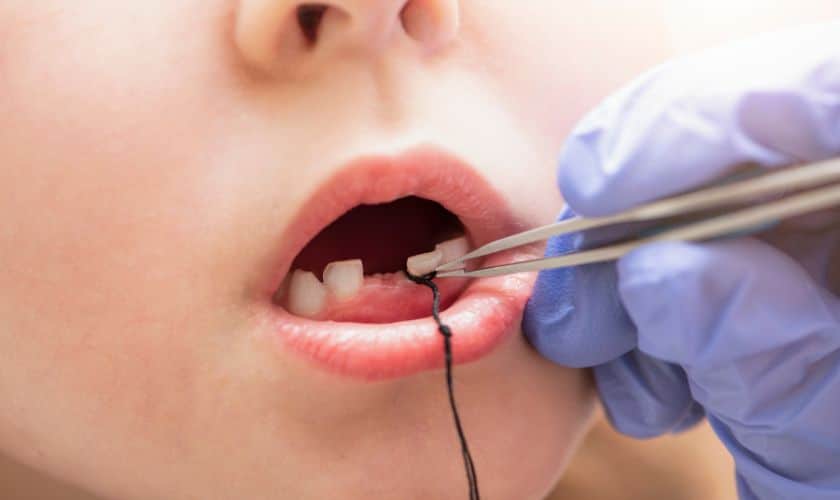
Most people want to keep their natural teeth for life, but there are situations where saving a damaged tooth is no longer possible. In many cases, untreated dental issues can worsen over time and eventually require removal to protect your overall oral health. Visiting a local dentist in Roswell early can help prevent serious complications, but when treatment is delayed, extraction may become the right solution.
Understanding the common dental problems that lead to tooth removal can help you recognize warning signs and seek treatment before discomfort turns into a bigger issue. If your dentist recommends tooth extractions, it is usually because removing the tooth is the safest path toward restoring your oral health.
Severe Tooth Decay Can Damage a Tooth Beyond Repair
Tooth decay is one of the most common reasons patients need an extraction. Cavities often begin as small areas of enamel damage, but when left untreated, bacteria can spread deeper into the tooth structure. Once decay reaches the inner pulp and causes extensive damage, a filling or crown may no longer solve the problem. In these cases, extraction becomes necessary to prevent infection from spreading to nearby teeth and surrounding tissue.
Advanced Gum Disease Can Weaken Tooth Support
Gum disease does more than cause bleeding gums. In advanced stages, it begins damaging the bone and tissues that hold your teeth in place. Over time, teeth may become loose and unstable. Even with professional treatment, severe periodontal disease sometimes reaches a point where the affected tooth cannot be saved. Removing the tooth helps stop infection from progressing and protects the health of neighboring teeth.
Impacted Wisdom Teeth Can Cause Serious Complications
Wisdom teeth do not always grow properly. When there is not enough space in the jaw, these teeth can become impacted beneath the gums or grow at awkward angles. Impacted wisdom teeth often create pain, swelling, crowding, and even infections. Dental professionals frequently recommend removing them before they begin affecting surrounding healthy teeth. Early intervention usually prevents more complex dental problems later.
Dental Trauma May Leave a Tooth Unsalvageable
Accidents happen unexpectedly. Sports injuries, falls, car accidents, or biting down on something hard can severely crack or break a tooth. Minor damage may be repaired with restorative treatment, but significant fractures that reach below the gumline often cannot be restored safely. When the structural damage is too extensive, extraction may be the only option to avoid long-term pain and infection.
Serious Infection Can Spread Quickly
A tooth infection should never be ignored. Bacteria can enter the tooth through deep decay, cracks, or untreated cavities and begin affecting the pulp inside. While root canal therapy can often save an infected tooth, some infections become too severe to treat successfully. In these situations, removing the infected tooth helps stop bacteria from spreading into the jawbone or surrounding areas.
When Should You See a Dentist?
Persistent pain, swelling, loose teeth, or sensitivity should never be ignored. Scheduling a visit with a trusted dentist as soon as symptoms appear can make a major difference in saving your tooth.
If treatment options are limited and removal becomes necessary, professional tooth extractions in Roswell can relieve discomfort while protecting your long-term oral health. Acting early is always the right way to avoid more serious dental complications and maintain a healthier smile for years to come.