




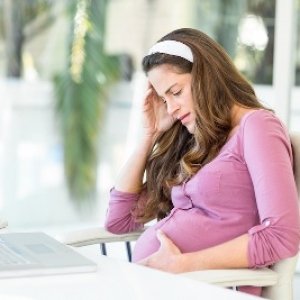





Heavy menstrual bleeding is one of the common concerns of many women. One of the leading causes behind it is uterine fibroids. Fibroids are non-cancerous tumours that grow in or on the uterus and can range in size and number. Some women may have no symptoms at all; others may experience heavy periods, pelvic discomfort and fertility problems.
If menstrual bleeding is unusually heavy during your period, or if periods are irregular and interfere with your daily life, it is important to seek medical guidance. A simple search for a “gynaecologist hospital near me” can enable women to get a proper diagnosis and treatment before the symptoms get more difficult to manage.
Understanding Fibroids and Heavy Bleeding
Fibroids can develop in different parts of the uterus, and the location of the fibroids often determines the symptoms they cause. Some fibroids grow in the wall of the uterus, and some grow into the cavity of the uterus, while others grow on the outer surface of the uterus.
Heavy menstrual bleeding is especially common if the fibroids grow in or near the lining of the uterus. These growths can increase the surface area of lining that is shed during menstruation and result in increased blood loss. Fibroids can also disrupt the normal contraction of the uterus, which can interfere with the closing of blood vessels during a period.
This means women may bleed more heavily, pass large clots of blood or have to change their sanitary product more frequently than normal.
Challenges of Heavy Bleeding
Heavy menstrual bleeding can have an impact far beyond the menstrual cycle. Excessive blood loss over time can lead to iron deficiency anaemia. Symptoms may include fatigue, weakness, dizziness and shortness of breath.
Women with fibroids may also have:
- Long menstrual periods
- Pelvic pressure or pain.
- Frequent urination
- Lower back pain
- Difficulty doing daily activities during menstruation
In certain cases, severe bleeding can have a major impact on work, social life and overall quality of life. If symptoms persist, it is advisable to seek the opinion of specialists at a gynaecologist hospital near me to identify the root cause and find suitable treatment options.
Tips for Managing Heavy Bleeding
Maintain Healthy Iron Levels
Eating iron-rich foods such as green vegetables, lentils, beans, dates and lean meats can be helpful as heavy bleeding increases the risk of anaemia. Your doctor may also prescribe iron supplements if necessary.
Track Menstrual Symptoms
Tracking the menstrual flow, cycle length and related symptoms can help health care providers assess how severe the condition is and monitor changes over time.
Stay Hydrated and Rest Properly
Heavy periods can leave women feeling tired and extremely fatigued. Getting enough rest and drinking enough fluids can help support energy levels during your period.
Follow Medical Advice
Treatment depends on the size, number and location of the fibroids. Depending on the case, medications, minimally invasive procedures, or surgery may be recommended.
When to see a doctor?
Never ignore heavy periods, especially if they are affecting your daily life or causing symptoms of anaemia. Medical evaluation should be sought by women if they experience the following:
- Periods lasting longer than seven days
- Very heavy and excessive bleeding
- Large blood clots during periods
- Chronic pelvic pain
- Feeling dizzy or tired due to blood loss
If you are planning pregnancy, make sure to discuss fibroids with your healthcare provider, as some fibroids may impact fertility or pregnancy outcomes. Searching for the best maternity doctor near me can help connect women with specialists who can provide personalised guidance and reproductive care.
The Cloudnine Advantage
Cloudnine is known for its holistic approach to women’s healthcare and offers expert evaluation and management of conditions like fibroids. Cloudnine aims to help women achieve better reproductive health outcomes with the help of experienced gynaecologists, advanced diagnostic facilities and personalised treatment plans.
If you have heavy menstrual bleeding, are planning a pregnancy or want to manage fibroids in the long run, Cloudnine provides evidence-based care in a caring environment. Its team of specialists makes it a trusted choice when searching for a reliable gynaecologist hospital near me.
Conclusion
Fibroids commonly cause heavy menstrual bleeding and can greatly impact a woman’s health and quality of life. The symptoms can be understood and the challenges recognised, but timely medical care is important to successful management. With the right diagnosis and treatment, many women can successfully manage symptoms, avoid complications, and stay healthy overall.