







In the demanding field of gynecology, precision is the difference between a routine procedure and a complex challenge. Specialists rely on a meticulously curated set of tools to ensure patient safety and surgical efficacy. Among these, gynae forceps stand as fundamental instruments, designed to provide the control necessary for navigating delicate pelvic and intrauterine tissues. Whether for routine examinations, diagnostic biopsies, or major surgical interventions, these instruments are engineered to minimize trauma while maximizing the surgeon's ability to manipulate anatomical structures with confidence.
Azeemed Instruments is dedicated to providing high-quality surgical tools that meet the needs of professionals. By combining ergonomic design with medical-grade materials, we ensure that every instrument supports the surgeon’s dexterity and focus, ultimately contributing to superior patient outcomes in clinical and hospital environments.

Understanding Specialized Instrumentation for Gynaecology
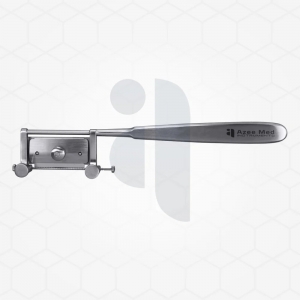
To perform complex procedures successfully, surgeons must utilize a variety of instruments tailored to specific anatomical requirements. While gynae forceps are the primary tools for grasping and tissue retraction, surgical success often requires the integration of diverse devices. For instance, the cobb instrument, commonly recognized in orthopedics as a periosteal elevator, is frequently adapted in gynecological or pelvic surgeries to safely scrape or retract soft tissue from bone surfaces, such as in cases involving the sacrum or complex abdominal wall reconstruction. By pairing high-precision grasping tools with robust dissection instruments, medical professionals can maintain a clear surgical field and improve the speed and safety of their interventions.
Categories and Functional Designs of Gynae Forceps
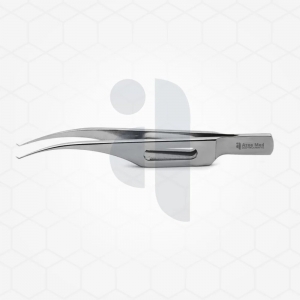
The versatility of these tools is defined by their varied configurations, each serving a distinct clinical purpose. Dressing forceps are typically used for routine tasks, such as handling sterile gauze or cleaning wounds, featuring fine, non-traumatic tips that protect sensitive mucosal linings. In contrast, sponge-holding forceps are characterized by ring-shaped ends that provide a secure grip on swabs or antiseptics, making them indispensable for maintaining an aseptic field during pelvic examinations or surgical preparation.
For more invasive procedures, specialized designs are required. Tenaculum forceps, for example, feature sharp, pointed ends specifically engineered to stabilize the cervix during intrauterine device (IUD) insertion or hysteroscopy. Meanwhile, ovum or biopsy forceps utilize fenestrated or small, sharp-edged jaws to grasp and remove tissue samples or retained products of conception with minimal disturbance to surrounding healthy structures. The diversity in these designs ensures that regardless of the procedure, a dedicated gynae forceps model exists to address the specific tactile and mechanical needs of the surgeon.
Material Excellence and Sterilization Standards
Quality in medical manufacturing is not merely about form; it is about metallurgical integrity. Azeemed Instruments utilizes high-grade surgical stainless steel, which offers the corrosion resistance required for repeated autoclave sterilization cycles. Maintaining the structural integrity of gynae forceps is vital, as any compromise in the hinge mechanism or the serrations of the jaws can lead to inconsistent tissue gripping, which increases the risk of accidental slippage or unintended tissue damage. Professionals must inspect their instruments regularly for signs of wear, ensuring that the locking mechanisms remain secure and the tips retain their precision alignment.
Advancing Patient Safety Through Proper Instrument Selection
The choice of instrumentation directly impacts the patient’s recovery and postoperative experience. By selecting the correct gynae forceps for a specific task, surgeons significantly reduce the force required to manipulate tissue, thereby decreasing the likelihood of hematomas, lacerations, or prolonged inflammation. Furthermore, ergonomic handle designs—often featured in modern manufacturing—help reduce hand fatigue for the surgical team during lengthy procedures, promoting consistent performance from start to finish. As surgical techniques continue to evolve toward minimally invasive approaches, the demand for highly specialized, durable, and precisely calibrated instruments will only grow, underscoring the importance of sourcing from reputable manufacturers committed to clinical excellence.