



Consumers today care as much about packaging as they do about the product inside. Sustainable, visually appealing, and functional packaging can influence buying decisions just as much as taste or price. This is why more brands are switching to paper tube packaging for food, a solution that combines eco-friendliness with strong shelf presence. In this blog, we'll explore the latest trends, key benefits, and best practices for using paper tubes in food packaging.
Why Paper Tube Packaging Is Trending
Sustainability is no longer optional for modern brands, it's expected. Customers are actively looking for products packaged in recyclable or biodegradable materials, and paper tubes fit that demand perfectly. Unlike plastic containers, paper tubes are made from renewable materials and are easy to recycle, making them a preferred choice for eco-conscious food brands.
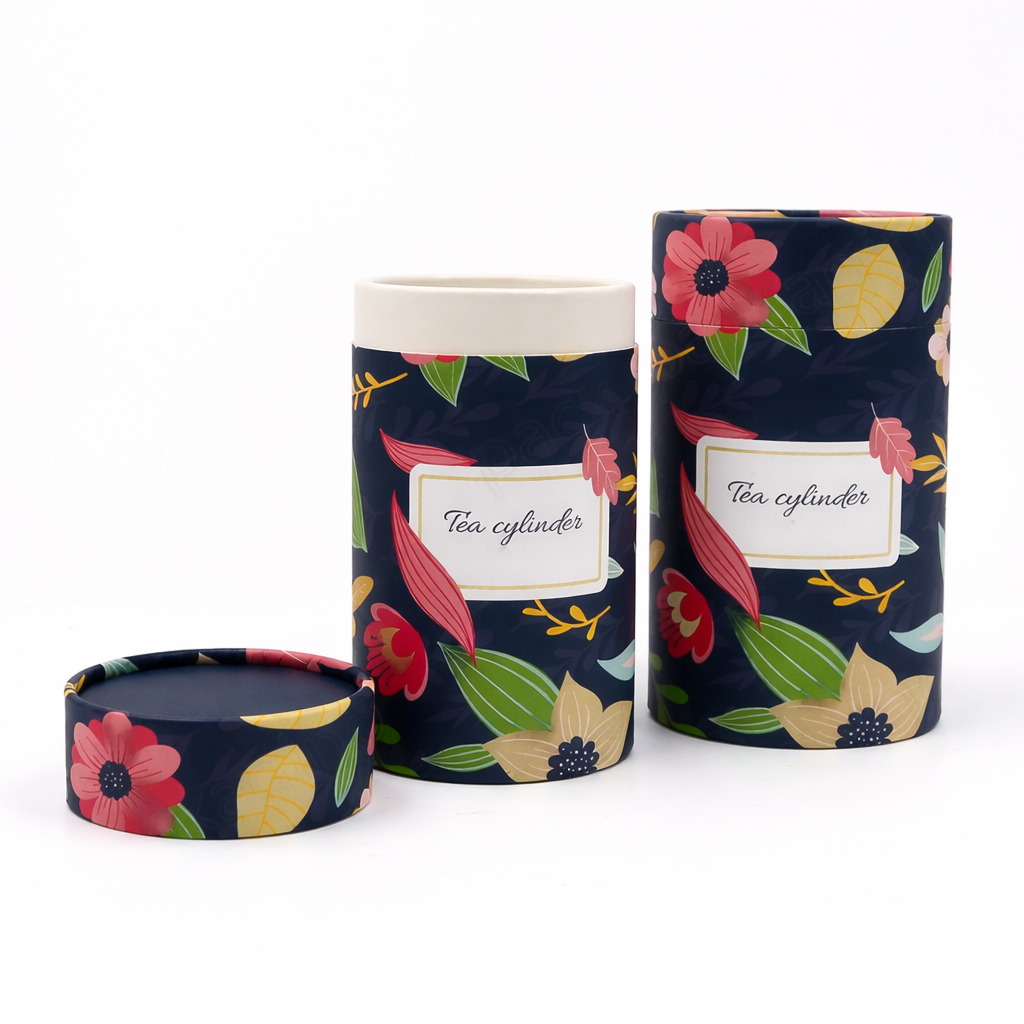
Beyond sustainability, paper tubes offer a premium, artisanal look that plastic simply can't replicate. Brands selling tea, coffee, spices, snacks, and confectionery are increasingly choosing paper tube packaging to stand out on crowded shelves and create a more memorable unboxing experience.
Key Benefits of Paper Tube Packaging for Food
- Eco-Friendly and Biodegradable
Paper tubes are typically made from recyclable kraft paper or cardboard, reducing environmental impact compared to plastic packaging. This makes them ideal for brands looking to reduce their carbon footprint and appeal to environmentally aware customers.
- Customisable Design
From printing and embossing to unique shapes and finishes, paper tubes offer extensive customisation options. Brands can incorporate their logo, brand colours, and messaging directly onto the tube, creating strong shelf appeal and brand recognition.
- Product Protection
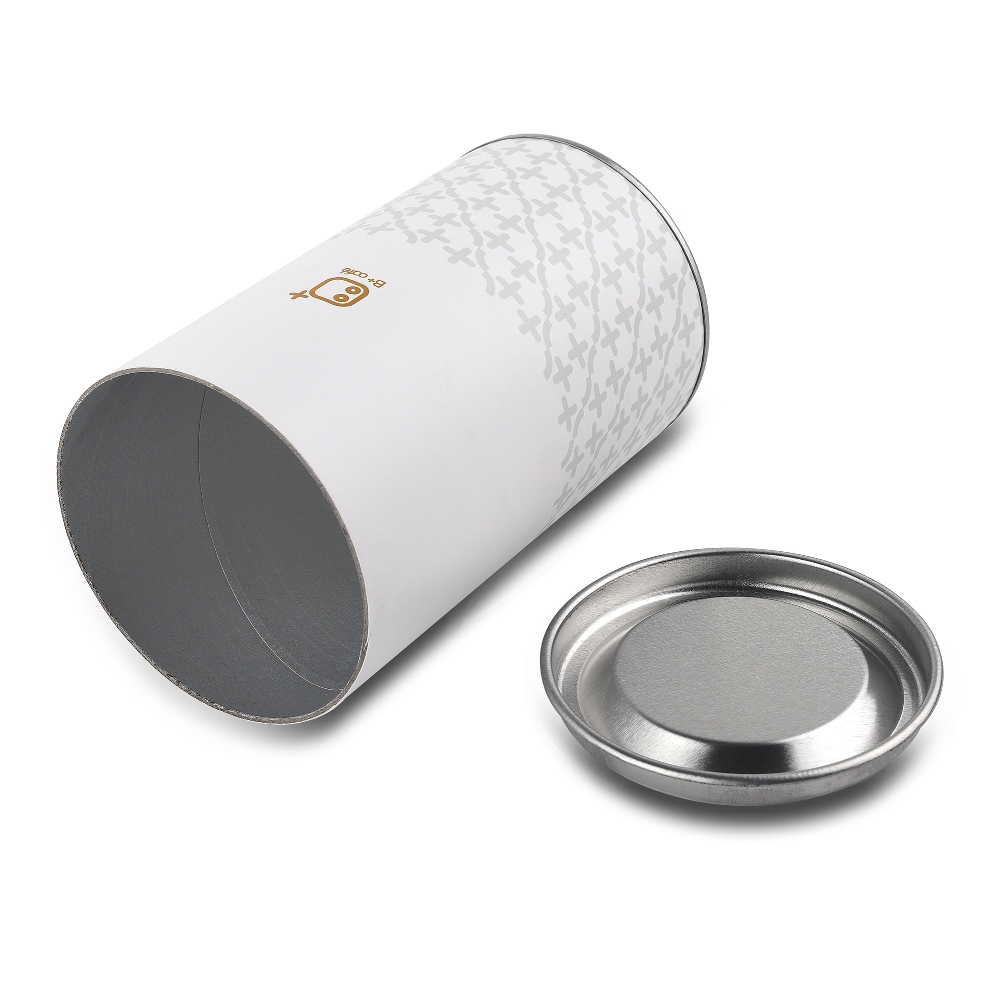
Despite being lightweight, paper tubes provide solid structural protection for dry food items like tea leaves, coffee beans, cookies, and spices. Many tubes also come with airtight or moisture-resistant liners, helping preserve freshness during storage and transport.
- Cost-Effective for Bulk Production
Compared to some rigid packaging alternatives, paper tubes can be more cost-effective to produce in bulk, especially for small and medium-sized food brands looking to scale without a heavy packaging budget.
- Versatility Across Food Categories
Paper tube packaging works well across a wide range of products, including snacks, dry fruits, chocolates, spices, tea, and coffee. This versatility makes it a practical choice for brands offering multiple product lines under one packaging style.
Best Practices for Using Paper Tube Packaging
Choose the right liner: For food safety, always pair your paper tube with a suitable inner liner, such as foil or food-grade film, to keep contents fresh and protected from moisture.
Prioritise food-grade materials: Ensure the paper and inks used are certified safe for food contact, especially for products with direct exposure to the packaging.
Focus on functional design: Beyond aesthetics, consider how customers will open, reseal, and store the tube. Features like easy-open lids or resealable caps improve the overall user experience.
Test for durability: Before finalising your packaging, test the tubes for strength during shipping and handling to avoid damage or product spillage.
Work with an experienced manufacturer: Partnering with a specialist like Wejoy Packaging ensures your paper tube packaging for food meets both safety standards and your brand's design vision, from prototype to production.
Final Thoughts
As sustainability continues to shape consumer choices, paper tube packaging for food is proving to be more than just a trend, it's becoming a long-term packaging solution for brands that want to combine eco-friendliness with strong shelf appeal. Whether you're launching a new snack line or upgrading your existing packaging, paper tubes offer a practical, customisable, and sustainable option worth considering.
Frequently Asked Questions (FAQs)
- Is paper tube packaging safe for food storage?
Yes, when paired with food-grade liners and inks, paper tubes are safe for storing dry food products like tea, coffee, and snacks. - Are paper tubes recyclable?
Most paper tubes are recyclable, especially if the liner used is also eco-friendly or easily separable from the paper. - What types of food products work best with paper tube packaging?
Dry products such as tea, coffee, spices, chocolates, cookies, and dry fruits are best suited for paper tube packaging. - Can paper tubes be customised with branding?
Yes, paper tubes offer extensive customisation, including printing, embossing, and unique shapes to reflect your brand identity. - How do paper tubes compare to plastic packaging in cost?
Paper tubes can be more cost-effective for bulk orders and offer added sustainability benefits compared to traditional plastic packaging. - Where can I get custom paper tube packaging for my food brand?
Wejoy Packaging specialises in custom paper tube solutions designed for food brands, offering both functional and visually appealing packaging options.