








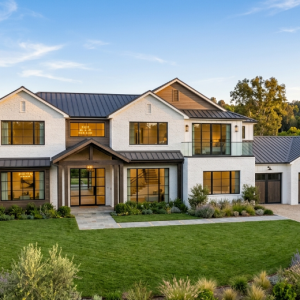

Buying commercial real estate is a major financial decision. Before making an offer, buyers need to evaluate the property carefully to understand its value, condition, income potential, and suitability for their goals. A property may look attractive during the first visit, but important details related to location, operating costs, zoning, maintenance, and market demand can affect its long-term performance.
Whether you are buying a property for your own business or as an investment, a structured evaluation can help reduce risks. Casper Properties can support buyers by helping them review available opportunities and identify the factors that should be considered before submitting an offer. When comparing a commercial property for sale, focus on the complete value of the property rather than the asking price alone.
Define Your Purpose and Property Requirements
Start by identifying why you want to buy commercial property. Your purpose will influence the type of building, location, size, and features you need.
A retail business may require strong visibility, customer access, and nearby parking. An office may need a professional location, reliable internet access, and space for employees. A warehouse may require loading docks, high ceilings, storage capacity, and access to major roads.
Investors may focus on rental income, tenant quality, occupancy rates, and future appreciation. Write down your main requirements before viewing properties. This can help you avoid choosing a building that looks appealing but does not meet your operational or investment needs.
Evaluate the Location
Location is one of the most important factors in commercial real estate. It can influence customer traffic, employee access, rental demand, operating costs, and future property value.
When evaluating a location, consider:
- Access to major roads and highways
- Public transportation options
- Parking availability
- Nearby businesses and competitors
- Customer traffic
- Local population and business growth
- Safety and security
- Planned developments
Visit the property at different times and on different days. A location that appears quiet during one visit may experience heavy traffic or parking problems during business hours.
Casper Properties can help buyers compare locations and understand how local conditions may affect a property’s value and future potential.
Compare the Asking Price With Market Value
Do not assume that the asking price reflects the actual market value. Compare the property with similar commercial buildings that have recently sold or are currently listed in the area.
Review factors such as:
- Property size
- Building age
- Condition
- Location
- Available facilities
- Rental income
- Recent improvements
A property may be priced higher because of its location, tenant income, or development potential. However, a high price may not be justified if the building requires major repairs or has limited demand.
A market comparison can help you decide whether the asking price is reasonable and how much you may want to offer.
Inspect the Building’s Physical Condition
A professional inspection is important before making an offer. Commercial properties may have hidden problems that can lead to expensive repairs.
Review the following areas:
Structure and Exterior
Inspect the foundation, walls, roof, windows, and exterior surfaces. Look for signs of water damage, cracks, or poor maintenance.
Electrical and Plumbing Systems
Check whether the electrical capacity is suitable for your business. Review plumbing systems and ask about recent repairs or upgrades.
Heating and Cooling
Evaluate the condition and age of heating, ventilation, and air-conditioning systems. Replacing large commercial systems can be expensive.
Safety Features
Confirm that the property has appropriate fire alarms, emergency exits, safety equipment, and accessibility features.
Ask for maintenance records and details about previous inspections. A professional inspector can provide a clearer understanding of the property’s condition.
Review Zoning and Permitted Uses
Before making an offer, confirm that the property can legally be used for your intended purpose. Zoning rules may limit the type of business activity allowed in the area.
For example, a building approved for office use may not be suitable for retail, manufacturing, or warehouse operations. You may also need approval for renovations, signage, parking changes, or additional construction.
Review local requirements related to:
- Permitted business activities
- Building modifications
- Parking requirements
- Signage
- Environmental rules
- Accessibility standards
- Business licenses
Understanding these requirements before buying can help you avoid delays and unexpected expenses.
Analyze Operating Costs
The purchase price is only one part of the total cost of owning commercial property. Review the property’s current and expected operating expenses.
These may include:
- Property taxes
- Insurance
- Utilities
- Maintenance
- Repairs
- Security
- Property management
- Landscaping
- Cleaning services
Request financial records when possible. High operating costs can reduce rental income and affect the affordability of the property.
When reviewing a commercial property for sale, calculate the expected annual costs and compare them with your available budget.
Review Income and Tenant Information
If the property is occupied, review its current income and lease agreements. Existing tenants can provide immediate revenue, but the quality and terms of the leases are important.
Consider:
- Current rental income
- Lease expiration dates
- Tenant payment history
- Occupancy levels
- Rent increases
- Maintenance responsibilities
- Tenant renewal options
A property with stable tenants and long-term leases may provide predictable income. However, a building with short leases or high vacancy may involve more financial risk.
Investors should also research local rental rates to determine whether the property has potential for future income growth.
Consider Future Development and Growth
Look beyond the property’s current condition. Research planned projects in the surrounding area, such as new roads, residential developments, shopping centers, or public transportation.
Positive development may increase customer traffic, rental demand, and property value. However, nearby construction may also create competition or affect access.
Consider whether the property can support future expansion. Extra land, flexible interior space, or additional parking may provide useful opportunities as your business grows.
Casper Properties can help buyers consider current requirements and future plans when evaluating suitable commercial opportunities.
Assess Financing and Total Investment Costs
Before making an offer, understand your financing options and calculate the full investment required.
Review:
- Down payment requirements
- Interest rates
- Loan terms
- Monthly payments
- Closing costs
- Inspection expenses
- Legal fees
- Renovation costs
Get pre-approval from a lender when possible. This can help you establish a realistic budget and demonstrate that you are prepared to complete the transaction.
Avoid using all available funds for the purchase. Keep a financial reserve for repairs, upgrades, vacancies, or unexpected expenses.
Identify Risks and Potential Challenges
Every commercial property has some level of risk. The goal is to identify possible challenges before making an offer.
Common risks include:
- High vacancy rates
- Major repair needs
- Environmental concerns
- Limited access or parking
- Declining local demand
- Restrictive zoning
- High operating expenses
- Short-term tenant leases
Review available documents and seek professional advice when necessary. Understanding risks early may help you negotiate a better price or avoid an unsuitable purchase.
Compare Several Properties
Do not make a decision based on one option. Compare multiple properties using the same evaluation criteria.
Create a checklist that includes:
- Asking price
- Location
- Property size
- Building condition
- Operating costs
- Zoning
- Rental income
- Tenant quality
- Financing needs
- Future growth potential
Comparing several properties can help you identify the best overall value. The lowest-priced building may not be the strongest choice if it requires major repairs or has limited income potential.
Work With Experienced Professionals
Commercial property transactions can involve legal, financial, and technical details. Professional guidance can help you understand the property and reduce potential risks.
You may need support from:
- Commercial real estate professionals
- Property inspectors
- Real estate attorneys
- Accountants
- Lenders
- Contractors
- Environmental specialists
Casper Properties can help buyers explore commercial opportunities and understand the important information needed before making an offer.
Conclusion
Evaluating commercial property before making an offer requires careful research and planning. Buyers should define their goals, assess the location, compare market values, inspect the building, and review zoning requirements. They should also analyze operating costs, tenant information, financing options, and future development plans.
A commercial property for sale should be evaluated based on its complete value and long-term potential, not only its asking price. Careful comparisons and professional inspections can help buyers identify risks and make informed decisions.
With proper preparation and guidance from Casper Properties, buyers can approach the purchasing process with greater confidence and select a property that supports their business or investment goals.