


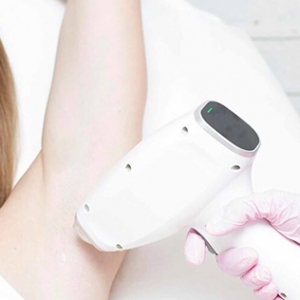




Laser hair removal in Dubai (إزالة الشعر بالليزر في دبي) can be considered for people with a wide range of skin tones, but the treatment approach should take individual skin characteristics into account. Skin pigmentation, sensitivity, tanning history, hair color, and hair thickness can all influence how laser energy interacts with the treatment area. Understanding these differences is important for setting appropriate expectations and choosing a suitable treatment approach.
Why Skin Type Matters in Laser Hair Removal
Laser devices deliver concentrated light energy toward the hair follicle. Because the skin also contains natural pigment, the treatment needs to account for the relationship between the hair and surrounding skin.
The contrast between hair and skin can influence how selectively the laser energy is absorbed.
For this reason, treatment settings should not simply be copied from one person to another. The same approach may not be appropriate for different combinations of skin tone and hair characteristics.
Understanding Skin Tone and Pigmentation
Skin tone refers to the natural amount of pigment present in the skin.
People with lighter skin may have a greater contrast between dark hair and surrounding skin, while people with deeper skin tones have more melanin in the skin itself.
Modern laser technologies and appropriate treatment planning can accommodate many different skin tones, but careful parameter selection remains important.
The goal is to target the hair while managing the interaction between laser energy and the surrounding skin.
How Hair and Skin Contrast Can Affect Treatment
The difference between hair color and skin tone is one of the factors considered during laser treatment.
Dark hair against lighter skin often creates strong visual contrast. When both hair and skin contain more pigment, treatment may require more careful planning to balance effective follicle targeting with skin safety.
This is why an assessment of both the hair and skin is more useful than evaluating either characteristic separately.
Laser Hair Removal for Deeper Skin Tones
People with deeper skin tones can explore laser hair reduction, but the choice of technology and settings is particularly important.
Higher amounts of melanin in the skin can interact with laser energy, so the treatment approach needs to be selected carefully.
The objective is to deliver useful energy to the hair follicle while minimizing unnecessary absorption by surrounding skin.
A personalized assessment helps determine whether the selected technology is appropriate for the individual's skin and hair combination.
What About Sensitive Skin?
Sensitive skin is not automatically a reason to avoid laser hair reduction.
However, the condition of the skin at the time of treatment matters. Existing irritation, dryness, inflammation, or recent sun exposure may influence how comfortable the session is.
People with sensitive skin may benefit from keeping their routine simple around treatment and avoiding unnecessary exfoliation or irritating products.
Recently Tanned Skin Requires Attention
A recent tan can increase the amount of pigment present in the skin.
Because laser energy interacts with pigment, recent tanning can influence treatment planning and may require additional consideration before a session.
Avoiding intentional tanning and using appropriate sun protection can help maintain more consistent skin conditions throughout a treatment course.
Why Sun Protection Is Important for Every Skin Tone
Sun protection is not only relevant to people with fair skin.
Ultraviolet exposure affects all skin tones and can contribute to pigmentation changes. During a laser treatment course, maintaining consistent protection can help reduce unnecessary changes in the skin.
Exposed areas such as the face, arms, and legs may require particular attention because they receive more daily sunlight.
How Facial Skin Can Differ From Body Skin
The skin on the face may have different sensitivity and hair characteristics compared with areas such as the legs or arms.
Facial hair can also be influenced by hormonal factors, while the skin may be more exposed to environmental conditions and cosmetic products.
This means facial treatment can require different considerations from body hair reduction.
Fine Hair and Different Skin Tones
Hair thickness matters alongside skin tone.
Fine hair may contain less pigment than coarse hair, which can make it a less prominent target for some laser systems.
As a result, the combination of very fine hair and certain skin characteristics may produce a different response from coarse, dark hair.
This is one reason treatment expectations should be based on the actual hair present in the target area.
What About Darker Body Hair?
Dark, coarse body hair can provide a strong target for laser energy.
Underarms, bikini areas, legs, and other regions may contain thicker hair than the face or arms.
However, even within the same body area, hair can vary in thickness and pigmentation. Treatment results may therefore develop unevenly as different follicles respond.
Why a Skin Assessment Is Useful
A skin assessment provides an opportunity to look at the treatment area before energy is delivered.
Factors such as skin tone, recent tanning, sensitivity, hair pigmentation, hair thickness, and existing irritation can all be considered.
This helps establish a treatment approach that is based on the current condition of the skin rather than relying on generic settings.
How Skin Can Respond After Treatment
Temporary redness, warmth, or mild sensitivity can occur after laser treatment.
The appearance and duration of these effects can vary according to skin sensitivity and the treatment area.
People with sensitive skin may notice temporary changes more easily, while others may experience minimal visible reaction.
Gentle skin care and protection from excessive sun exposure can support comfort while the skin returns to its normal state.
Can Pigmentation Changes Occur?
Changes in skin pigmentation are one of the reasons appropriate laser selection and treatment settings matter.
Excessive exposure to laser energy or treating skin that has recently experienced significant tanning can increase the potential for unwanted pigmentation changes.
This makes individualized treatment planning particularly important for people with more heavily pigmented skin.
Why Home Treatment Is Not Always Comparable
At-home hair removal devices generally operate at different energy levels and may offer fewer adjustment options than professional systems.
The treatment experience and suitability can therefore vary considerably.
Professional assessment can be especially useful when the skin has deeper pigmentation, recent tanning, significant sensitivity, or unusual hair characteristics.
Preparing Different Skin Types
Although preparation can vary, several principles are broadly useful.
Avoid excessive sun exposure, keep the treatment area free from unnecessary irritation, follow appropriate shaving instructions, and inform the treatment provider about relevant skin changes.
If the skin is visibly irritated or recently burned, treatment may need to be reconsidered until the area has recovered.
Why Individual Results Differ
Skin type is only one part of the picture.
Hair color, thickness, density, growth cycle, hormones, genetics, treatment consistency, and the technology being used can all influence the outcome.
Two people with similar skin tones may therefore have very different treatment responses.
The most meaningful expectations come from evaluating the individual's complete skin and hair profile.
Choosing a Suitable Treatment Approach
The goal should not simply be to find the strongest possible laser setting.
Effective treatment requires an appropriate balance between targeting the hair follicle and protecting the surrounding skin.
A suitable approach takes into account the person's skin tone, hair characteristics, treatment area, and current skin condition.
This individualized strategy can be particularly important when treating deeper skin tones or sensitive areas.
Final Thoughts
Laser hair removal in Dubai can be adapted to many different skin types when treatment planning takes pigmentation, sensitivity, tanning history, hair characteristics, and the treatment area into consideration. There is no universal setting that works identically for everyone, which makes individualized assessment important for achieving realistic expectations. If you are considering laser hair reduction for your particular skin type, TAJMEELS DUBAI عيادة تجميل provides an opportunity to explore an approach suited to your individual characteristics.