









Choosing a specialist for an eyelash restoration procedure requires more consideration than simply looking for a clinic offering cosmetic hair treatments. Eyelashes play an important role in facial balance, eye protection, and overall appearance, so any procedure designed to increase lash density or restore missing lashes needs a highly precise approach. When considering Eyelash Hair Transplant in Dubai, prospective patients should assess the specialist’s experience, treatment philosophy, surgical technique, safety protocols, and ability to create results that complement their natural features.
Eyelash transplantation generally involves transferring carefully selected hair follicles from a suitable donor area to the eyelid region. Because the recipient area is extremely delicate and close to the eyes, the procedure demands meticulous planning and an understanding of both hair growth characteristics and eyelid anatomy. The goal is not simply to add more hairs but to establish an appropriate direction, angle, density, and distribution.
Dubai offers access to a wide range of aesthetic and hair restoration services, making informed comparison particularly important. A professional consultation should explain whether transplantation is appropriate, what technique may be considered, how donor follicles will be selected, and what type of maintenance the transplanted lashes may require.
Rather than choosing based solely on advertising or attractive before-and-after photographs, patients should evaluate clinical credentials, transparency, individualized planning, and realistic expectations. A carefully selected specialist can make the treatment process more predictable while helping patients understand both its benefits and limitations.
Why Specialist Selection Matters
Eyelash transplantation is technically different from conventional scalp hair transplantation. Eyelashes are shorter, finer, and naturally follow a specific curvature and growth direction. A specialist therefore needs to understand how follicle placement influences the final appearance.
Incorrect placement can potentially produce an unnatural lash pattern, excessive density, or hairs growing in an unsuitable direction. The proximity of the eyes also makes sterile technique and careful handling especially important.
A qualified specialist should evaluate the reason for eyelash loss before recommending treatment. Previous trauma, cosmetic procedures, congenital factors, medical conditions, or habitual pulling can all influence whether transplantation is appropriate.
Evaluate Experience With Eyelash Restoration
Experience should be one of the first factors considered when selecting a specialist. Performing hair restoration on the scalp does not automatically mean that a practitioner has extensive experience with eyelash procedures.
Ask about the specialist’s experience with delicate facial hair transplantation and whether they routinely assess individual eyelash characteristics before treatment. Patients should also understand who will personally perform the critical parts of the procedure.
Before choosing Eyelash Hair Transplant in Dubai, it is useful to ask how the specialist approaches follicle selection, recipient-site design, implantation direction, and postoperative monitoring.
Examine the Technique and Treatment Plan
Different hair transplantation approaches may be considered depending on the patient’s needs, donor hair characteristics, and specialist preference. The consultation should explain why a particular technique is appropriate rather than presenting one method as universally superior.
A good treatment plan should address the number of follicles required, the expected distribution, the desired appearance, and the characteristics of the donor area. Over-transplantation is not necessarily better because natural-looking results depend heavily on proportion and placement.
Patients should be cautious of providers who promise identical results for every individual. Eyelash restoration should be personalized because facial anatomy, existing lashes, donor hair, and the cause of hair loss vary considerably.
Assess Safety Standards
Safety is especially important because the procedure takes place around the eyes. The provider should maintain appropriate infection-control procedures and clearly explain how the eyelid and surrounding area will be protected during treatment.
During consultation, patients can ask about the facility’s sterile practices, emergency preparedness, medical supervision, anesthesia or local anesthetic protocols, and postoperative instructions.
A responsible specialist should also discuss possible complications rather than focusing exclusively on cosmetic benefits. Swelling, irritation, infection, scarring, follicle loss, or undesirable hair direction are among the concerns that may need to be explained depending on the procedure.
Review the Consultation Process
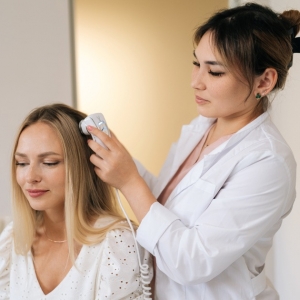
A detailed consultation can reveal a great deal about the quality of a specialist’s approach. The appointment should involve more than a quick assessment followed by a treatment recommendation.
The specialist should examine the existing lashes and donor area, discuss the patient’s goals, review relevant medical and cosmetic history, and explain realistic expectations. If there are underlying causes of eyelash loss that require investigation, those concerns should be addressed before proceeding.
Patients should feel comfortable asking questions about healing, maintenance, expected growth, and the possibility of additional procedures. Clear communication is an important part of informed decision-making.
Consider Enfield Royal Clinic
For patients researching aesthetic hair restoration options, Enfield Royal Clinic can be included in the consultation process when exploring suitable treatment providers. Prospective patients should focus on the clinic’s approach to individualized assessment, treatment planning, safety, and patient communication rather than relying on promotional claims alone.
When discussing Eyelash Hair Transplant in Dubai, patients should ask specific questions about the specialist’s experience with delicate facial hair procedures, follicle placement, expected growth patterns, and aftercare requirements. A consultation should provide enough information for the patient to understand whether the procedure is appropriate for their individual circumstances.
Look Beyond Marketing Claims
Online visibility can make it difficult to distinguish meaningful clinical experience from promotional content. A professional website, social media presence, or attractive photographs should not be the only basis for selecting a specialist.
Patients should look for transparent information about qualifications, treatment limitations, consultation procedures, and follow-up care. Before-and-after photographs can be useful, but they should be viewed critically because lighting, photography angles, makeup, and image editing can influence how results appear.
A trustworthy provider should be willing to explain what the procedure can realistically achieve rather than guaranteeing a particular cosmetic outcome.
Understand the Expected Results
Eyelash transplantation does not usually create an instant final result. Transplanted follicles need time to establish themselves and enter their normal growth cycle. Patients should receive a realistic timeline for initial growth, maturation, and the development of the final appearance.
Because donor hair may retain characteristics of the area from which it was taken, transplanted lashes can require regular trimming or grooming. This is an important consideration that should be explained before treatment.
The final appearance also depends on follicle survival, placement, individual healing, and natural hair characteristics. Results therefore vary between patients.
Evaluate Aftercare and Follow-Up
Postoperative care is an important part of the treatment journey. The specialist should provide clear instructions regarding cleaning, touching or rubbing the treated area, physical activity, cosmetic products, and other relevant precautions.
Patients should also ask whether follow-up appointments are included in the treatment plan. Monitoring allows the specialist to assess healing and identify concerns early.
A strong aftercare process demonstrates that the provider is focused not only on performing the procedure but also on supporting the patient throughout recovery.
Questions to Ask Before Choosing a Specialist
Before making a decision, prospective patients can ask:
- How frequently do you perform eyelash transplantation procedures?
- What technique do you recommend for my particular case?
- How will you determine the direction and placement of each follicle?
- What donor area would be considered and why?
- What complications should I understand before treatment?
- How long should I expect the recovery process to take?
- Will transplanted lashes require regular trimming?
- What follow-up care is provided after the procedure?
- What results are realistic for my existing lash pattern?
The answers should be specific to the individual rather than generic promises.
Frequently Asked Questions
Is eyelash transplantation suitable for everyone?
No. Suitability depends on the cause of eyelash loss, available donor hair, general health, eyelid condition, and individual expectations. A specialist consultation is necessary before deciding whether transplantation is appropriate.
How long does an eyelash hair transplant take to show results?
Growth develops gradually rather than immediately. The transplanted follicles need time to establish a growth cycle, and the final appearance can take several months to mature. The exact timeline varies between individuals.
Does transplanted eyelash hair grow like natural eyelashes?
Transplanted follicles generally retain characteristics of their donor site. Consequently, the hairs may continue growing longer than natural eyelashes and can require periodic trimming and grooming.
Is eyelash transplantation painful?
The procedure is generally performed using local anesthesia or another appropriate form of pain control determined by the medical team. Patients may experience temporary discomfort, swelling, or sensitivity during recovery.
How can I choose the right eyelash transplant specialist in Dubai?
Focus on relevant experience, qualifications, treatment planning, safety standards, consultation quality, transparent communication, and postoperative follow-up. A specialist should also explain realistic results and potential risks before treatment.
Conclusion
Selecting the right specialist requires careful evaluation rather than relying on popularity, advertising, or price alone. Patients should compare clinical experience, technique, safety practices, consultation quality, aftercare, and realistic expectations before committing to treatment. Because eyelash restoration involves an especially delicate recipient area, precision and appropriate planning are essential. Anyone considering Eyelash Hair Transplant should arrange a comprehensive consultation, ask detailed questions, and choose a qualified professional who prioritizes individualized care and patient safety throughout the treatment journey.