


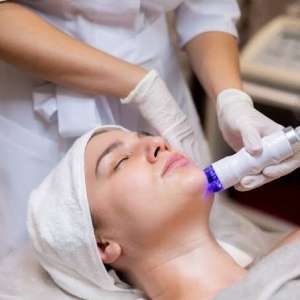




Laser Hair Removal is one of the most effective long-term solutions for reducing unwanted body and facial hair. Using advanced laser technology, the treatment targets hair follicles while protecting the surrounding skin. This guide explains how Laser Hair Reduction works, its benefits, treatment process, cost factors, safety, aftercare, and answers the most common questions people ask before choosing the procedure.
Introduction
Unwanted hair is a common concern for both men and women. Traditional methods such as shaving, waxing, threading, and depilatory creams provide only temporary results and often lead to irritation, ingrown hairs, and frequent maintenance. Modern aesthetic medicine offers a more reliable alternative through Laser Hair Removal, a treatment designed to reduce hair growth safely and effectively over multiple sessions.
Unlike temporary hair removal methods, Laser Hair Reduction works by targeting the pigment within the hair follicle. The laser energy damages the follicle, reducing its ability to produce new hair. Although the treatment is commonly called laser hair removal, the medically accurate term is laser hair reduction because it significantly reduces hair growth rather than guaranteeing permanent removal of every hair.
This comprehensive guide covers everything you need to know before starting treatment.
What Is Laser Hair Removal?
Laser Hair Removal is a non-invasive cosmetic procedure that uses concentrated light energy to target and weaken hair follicles. The laser emits a specific wavelength that is absorbed by melanin, the pigment found in hair. The heat generated damages the follicle and slows future hair growth.
The treatment can be performed on almost every part of the body, including:
-
Face
-
Upper lip
-
Chin
-
Neck
-
Underarms
-
Arms
-
Chest
-
Back
-
Bikini area
-
Legs
Most people notice progressively finer, lighter, and slower-growing hair after each session.
How Laser Hair Reduction Works
Hair grows in different cycles, and the laser is most effective during the active growth phase known as the anagen phase. Since not all hairs are in this phase at the same time, multiple treatment sessions are necessary.
The Hair Growth Cycle
|
Growth Phase |
Description |
|---|---|
|
Anagen |
Active growth phase where laser is most effective |
|
Catagen |
Transition phase with reduced follicle activity |
|
Telogen |
Resting phase before hair naturally sheds |
Typically, 6–8 sessions are recommended because each appointment targets a different group of actively growing hairs.
Benefits of Laser Hair Removal
Choosing Laser Hair Removal offers several advantages compared to conventional hair removal methods.
1. Long-Term Hair Reduction
The biggest benefit is significant reduction in hair growth. Hair becomes thinner, softer, and less noticeable over time.
2. Precision Treatment
The laser selectively targets dark hair follicles without damaging surrounding skin when performed correctly.
3. Reduced Ingrown Hair
People who frequently suffer from razor bumps or ingrown hairs often experience substantial improvement after treatment.
4. Faster Than Waxing
Small treatment areas such as the upper lip take only a few minutes, while larger areas like legs may require less than an hour.
5. Smooth Skin
With fewer hairs and reduced irritation, skin often appears smoother and more even.
Who Is an Ideal Candidate?
Laser technology has improved considerably, making treatment suitable for a wider variety of skin tones than ever before. However, results depend on several factors including hair color, skin tone, hormonal influences, and the type of laser used.
You may be a good candidate if you have:
-
Dark or coarse hair
-
Recurrent ingrown hairs
-
Unwanted facial or body hair
-
Healthy skin without active infection
-
Realistic expectations about gradual results
A consultation helps determine the most appropriate treatment plan.
Areas That Can Be Treated
Facial Hair
Laser treatment is commonly performed on the upper lip, chin, sideburns, jawline, and neck. It provides a convenient alternative to frequent threading or shaving.
Underarms
One of the most popular treatment areas because sessions are quick and results are often highly noticeable.
Bikini Area
Laser Hair Reduction helps reduce irritation caused by shaving and waxing while improving comfort.
Legs and Arms
Large body areas benefit from long-term reduction, minimizing the need for regular hair removal.
Back and Chest
Many men choose laser treatment to reduce dense hair growth on the back, shoulders, and chest.
Types of Laser Technologies
Different laser systems are designed for different skin tones and hair types.
|
Laser Type |
Best Suited For |
|---|---|
|
Diode Laser |
Light to medium skin tones |
|
Alexandrite Laser |
Fair skin with dark hair |
|
Nd:YAG Laser |
Medium to darker skin tones |
|
IPL (Light-Based) |
Selected cases, though not a true laser |
The choice of technology should always be based on individual skin and hair assessment rather than popularity alone.
What Happens During the Procedure?
A typical Laser Hair Removal appointment follows several steps.
Before Treatment
The treatment area is cleaned and shaved if necessary. Protective eyewear is provided for both the patient and practitioner.
During Treatment
The laser device delivers short pulses of light to the skin. Most people describe the sensation as similar to a warm snapping feeling or a rubber band lightly touching the skin. Modern cooling systems improve comfort throughout the procedure.
After Treatment
Mild redness or slight swelling around hair follicles is common and usually subsides within a few hours.
How Many Sessions Are Needed?
The number of sessions varies depending on hair thickness, hormonal factors, and treatment area.
|
Treatment Area |
Average Sessions |
|---|---|
|
Upper Lip |
6–8 |
|
Chin |
6–8 |
|
Underarms |
6–8 |
|
Bikini |
6–8 |
|
Legs |
6–10 |
|
Back |
8–10 |
Maintenance sessions once or twice a year may help preserve long-term results.
Is Laser Hair Removal Permanent?
This is one of the most common questions.
Laser Hair Reduction provides long-lasting reduction rather than complete permanent elimination of every follicle. Many treated hairs never return, while others may grow back finer and lighter. Hormonal changes, genetics, and age can influence future hair growth.
Most patients enjoy years of reduced hair with occasional maintenance treatments.
Preparing for Your Appointment
Proper preparation improves both safety and effectiveness.
One Month Before
-
Avoid waxing
-
Avoid threading
-
Avoid plucking hair
These methods remove the follicle, leaving no target for the laser.
Two Weeks Before
-
Minimize tanning
-
Avoid excessive sun exposure
-
Use sunscreen regularly
One Day Before
-
Shave the treatment area
-
Keep skin clean
-
Avoid applying heavy creams or oils
Following these guidelines helps achieve better laser penetration.
Aftercare Following Laser Hair Removal
Post-treatment care is essential for protecting the skin.
Recommended Aftercare
-
Apply soothing moisturizer if advised
-
Use sunscreen daily
-
Avoid hot showers for 24 hours
-
Avoid steam rooms and saunas briefly
-
Wear loose clothing after body treatments
Avoid
-
Waxing between sessions
-
Scratching treated skin
-
Strong exfoliants for several days
-
Direct sun exposure without protection
Most people resume normal activities immediately.
Possible Side Effects
When performed by trained professionals using appropriate laser settings, complications are uncommon.
Temporary effects may include:
-
Mild redness
-
Slight swelling
-
Warm sensation
-
Temporary sensitivity
Rare complications may include pigment changes or blistering, particularly if aftercare instructions are ignored or incorrect settings are used.
Factors That Affect Results
Several variables influence treatment success.
Hair Color
Dark hair responds best because it contains more melanin to absorb laser energy.
Skin Tone
Modern lasers can safely treat many skin tones when the correct wavelength is selected.
Hormones
Conditions affecting hormone levels may require additional maintenance sessions.
Consistency
Keeping appointments at the recommended intervals produces better long-term outcomes.
Laser Hair Removal vs Traditional Hair Removal
|
Method |
Duration |
Pain Level |
Ingrown Hair |
|---|---|---|---|
|
Shaving |
1–3 days |
Low |
Common |
|
Waxing |
3–6 weeks |
Moderate |
Moderate |
|
Threading |
2–4 weeks |
Moderate |
Possible |
|
Laser Hair Reduction |
Long-term |
Mild |
Significantly reduced |
Although laser requires multiple sessions initially, it often reduces ongoing maintenance considerably.
Does Laser Hair Removal Hurt?
Pain tolerance varies from person to person. Sensitive areas such as the bikini line may feel more noticeable than the legs or arms. However, most modern laser devices include cooling technology that improves comfort throughout treatment.
Many patients find laser less uncomfortable than repeated waxing sessions.
Cost of Laser Hair Reduction
The price depends on multiple factors rather than a single fixed rate.
Common factors include:
-
Size of treatment area
-
Number of sessions required
-
Type of laser technology
-
Experience of the practitioner
-
Geographic location of the clinic
A consultation usually provides a personalized treatment plan and estimated cost.
Choosing the Right Clinic
Selecting a qualified provider is just as important as choosing the treatment itself.
Look for:
-
Experienced laser practitioners
-
Medical consultation before treatment
-
Modern FDA-cleared laser equipment
-
Hygiene and safety protocols
-
Transparent pricing
-
Customized treatment planning
Avoid choosing a clinic based solely on the lowest price, as experience and appropriate technology greatly influence results.
Common Myths About Laser Hair Removal
Myth 1: One Session Removes All Hair
False. Multiple sessions are necessary because hair grows in cycles.
Myth 2: Laser Is Only for Women
False. Men frequently choose laser treatment for the back, chest, beard shaping, and shoulders.
Myth 3: Hair Grows Back Thicker
False. Treated hair typically becomes finer and lighter over time.
Myth 4: Laser Is Unsafe for Dark Skin
Modern technologies such as Nd:YAG lasers have expanded treatment options for darker skin tones when used appropriately.
Long-Term Maintenance
Even after completing the recommended sessions, occasional maintenance may help maintain smoother skin. Hormonal changes such as pregnancy or endocrine conditions can stimulate new follicles, making touch-up treatments beneficial.
Maintaining sun protection and following professional advice also contributes to healthier skin after laser procedures.
Conclusion
Laser Hair Removal has transformed the way people manage unwanted hair by offering a safe, effective, and long-term solution for both facial and body hair. Compared with shaving and waxing, Laser Hair Reduction provides smoother skin, fewer ingrown hairs, and significantly reduced hair growth over time. While multiple sessions are required to achieve optimal results, consistent treatment and proper aftercare can deliver lasting improvement for a wide range of skin types. Choosing an experienced clinic with appropriate laser technology is the key to achieving safe and satisfying results.
Frequently Asked Questions (FAQs)
1. What is the difference between Laser Hair Removal and Laser Hair Reduction?
Laser Hair Removal is the common name for the procedure, while Laser Hair Reduction is the medically accurate term because the treatment significantly reduces hair growth rather than permanently removing every hair.
2. How many laser sessions do I need?
Most people require 6–8 sessions, although thicker hair or hormonal conditions may require additional treatments and occasional maintenance sessions.
3. Is Laser Hair Removal safe for sensitive skin?
Yes. When performed by trained professionals using appropriate laser settings, the treatment is generally safe for sensitive skin after a proper consultation.
4. Can I shave between laser sessions?
Yes. Shaving is recommended between treatments, but waxing, threading, and plucking should be avoided because they remove the hair follicle needed for laser targeting.
5. Which body areas respond best to laser treatment?
Underarms, bikini area, legs, face, chest, and back are among the most commonly treated areas with excellent long-term hair reduction results.
6. Does Laser Hair Removal work on facial hair?
Yes. It is highly effective for reducing unwanted hair on the upper lip, chin, jawline, sideburns, and neck, especially when completed over multiple sessions.
7. Are the results permanent?
The treatment provides long-lasting hair reduction. Many follicles stop producing hair, while remaining hairs usually grow back finer and lighter.
8. What should I avoid after Laser Hair Reduction?
Avoid direct sun exposure, hot showers, saunas, harsh exfoliants, and waxing for a few days after treatment. Daily sunscreen is strongly recommended.
9. Is Laser Hair Removal suitable for men?
Absolutely. Many men choose laser treatment for beard shaping, chest, shoulders, back, neck, and arms to reduce unwanted hair growth.
10. How do I choose the best laser hair removal clinic?
Choose a clinic that offers experienced practitioners, modern laser technology, personalized consultations, proper safety protocols, and transparent treatment planning rather than focusing only on price.