



Cheek proportions play an important role in how balanced and harmonious the face appears. When the cheeks seem too flat, narrow, uneven, or lacking definition, enhancing their shape may help create a more proportionate facial appearance. For people considering Cheek Fillers Injections in Dubai, understanding how cheek enhancement relates to facial balance can make the decision more informed. Cheek fillers are commonly discussed as an option for refining facial contours while maintaining the individual's natural characteristics and overall facial harmony.
Understanding Facial Proportions
Facial proportions describe how different features relate to one another in terms of size, shape, width, and position.
- The width and prominence of the cheek area
- The relationship between the cheeks and the jawline
- The visual balance between the upper and lower face
- Natural facial asymmetry
- Overall facial shape and structural characteristics
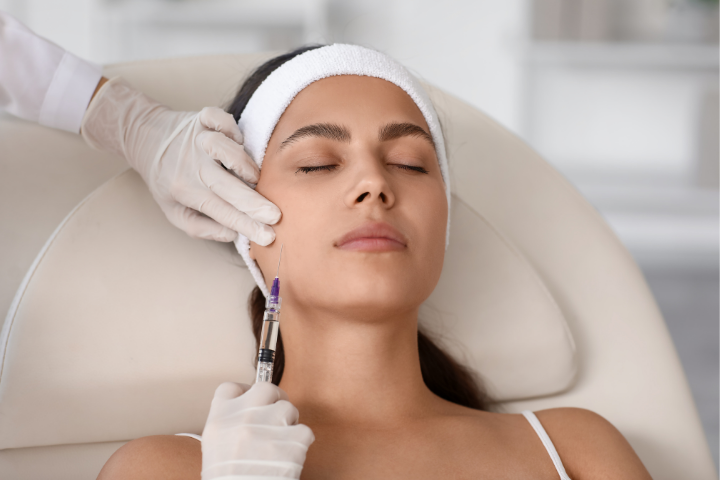
Why Cheek Volume Matters for Facial Harmony
The cheek area contributes significantly to the overall contour of the face. Fuller cheeks can create a softer appearance, while more defined cheek contours may give the face a sculpted and structured look. When cheek volume appears limited, the face may seem longer, flatter, or less balanced depending on the individual's natural anatomy.
Cheek fillers are often considered when someone wants to enhance the relationship between the cheek area and surrounding facial features. The goal is not necessarily to make the cheeks noticeably larger. Instead, appropriate enhancement can be about supporting facial proportions and maintaining a natural relationship between different areas.
Can Cheek Fillers Improve Cheek Proportions?
Cheek fillers may be suitable for people who feel their cheeks appear relatively flat, underdefined, or disproportionate to other facial features. They can be used as a consideration for adding structure or fullness to areas where additional volume may support a more balanced appearance.
However, whether they are appropriate depends on the individual's facial characteristics and aesthetic preferences. Someone with naturally prominent cheekbones may have different considerations from someone with flatter cheeks. Likewise, facial width, jaw shape, chin projection, and the appearance of the midface can all influence how cheek enhancement is perceived.
The Importance of Natural-Looking Balance
Natural-looking facial harmony is often associated with proportionality rather than dramatic alteration. Cheek enhancement should ideally be considered in relation to the individual's unique characteristics, including facial width, cheekbone structure, skin appearance, and surrounding features.
Some people may want a subtle increase in fullness, while others may be more interested in emphasizing cheek definition. These preferences can lead to different aesthetic considerations. The desired appearance should also remain consistent with the individual's overall facial identity. Maintaining individuality is especially important because perfectly symmetrical or highly exaggerated facial features may not necessarily create a more attractive appearance.
Factors That Influence Cheek Proportions
Cheek proportions are affected by more than volume alone. Bone structure, facial width, soft-tissue distribution, skin characteristics, and the shape of neighboring features all contribute to the overall appearance.
- Natural cheekbone prominence
- Facial width and length
- Chin and jawline proportions
- Existing facial asymmetry
- Individual aesthetic preferences
Avoiding Overemphasis on Cheek Volume
One of the most important considerations when discussing cheek fillers is moderation. More volume does not necessarily mean better facial proportions. Excessive fullness can change the visual relationship between the cheeks, eyes, nose, lips, and jawline.
A suitable aesthetic approach should take the entire face into account. The cheeks should complement the existing structure rather than dominate it. This is particularly important for individuals who prefer subtle, natural-looking facial characteristics. Personal expectations should also be realistic. Facial aesthetics are subjective, and what one person considers beautifully defined may appear overly prominent to another.
Questions to Consider Before Choosing Cheek Fillers
Anyone considering cheek fillers may benefit from thinking carefully about what they would like to change and why. Identifying the specific concern can help distinguish between wanting additional fullness and wanting greater overall facial harmony.
- Do my cheeks appear flat compared with surrounding features?
- Am I seeking fullness, definition, or better overall balance?
- Do I want to preserve my natural facial character?
- Are my expectations realistic and proportion-focused?
- Have I discussed my concerns with a qualified professional?
Choosing a Proportion-Focused Approach
Facial aesthetics are highly individual, which makes proportion-focused thinking particularly valuable. Cheek enhancement should be considered within the context of the entire face instead of being viewed as a standalone change.
A qualified professional can assess facial anatomy, discuss aesthetic preferences, and determine whether cheek fillers are appropriate for the individual's circumstances. They can also explain potential considerations and help establish realistic expectations based on existing facial structure. People should also feel comfortable discussing concerns about symmetry, volume, facial shape, and natural appearance.
Final Thoughts
Cheek fillers can be a consideration for people interested in improving the perceived proportions and harmony of their cheeks. Their suitability depends on individual facial structure, existing cheek volume, surrounding features, and personal aesthetic preferences. The most important principle is balance rather than excessive fullness. When cheek enhancement is approached with realistic expectations and attention to the entire face, the focus can remain on complementing natural characteristics rather than changing facial identity. A qualified medical professional can provide personalized guidance about whether this option is appropriate.