






An electric skateboard kit can be an appealing option for riders who already own a skateboard and want to explore electric mobility without purchasing a complete electric board. Instead of replacing the entire skateboard, a conversion kit can provide essential electric components that transform a traditional deck into a powered riding platform. With the growing interest in electric transportation, DIY electric skateboards, skateboard conversion kits, and electric longboards, these kits have become an increasingly popular topic among enthusiasts.
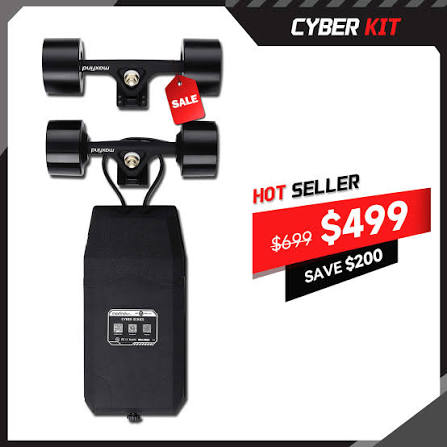
An electric skateboard conversion can combine a motor, battery, electronic speed controller, drive system, and remote control with a compatible skateboard deck and trucks. The exact components vary depending on the kit, but the basic purpose remains the same: adding electric propulsion to a suitable skateboard. For people interested in customization, an electric skateboard kit can also provide an opportunity to understand how electric boards work and create a setup based on personal preferences.
Electric Skateboard Kit Components
The main appeal of an electric skateboard kit is the ability to build a powered board around selected components. A typical kit may include an electric motor, motor mount, drivetrain components, electronic speed controller, battery system, wiring, and wireless remote. Some conversion kits are designed as more complete packages, while others require additional components before the board can be used.
The motor is responsible for providing propulsion. Many electric skateboard kits use hub motors or belt-drive motors. Hub motors are integrated into the wheels and generally have a clean appearance with fewer external drivetrain components. Belt-drive systems use a motor, pulley, and belt to transfer power to the wheels. They can provide strong torque and may offer greater flexibility for riders interested in customizing wheel options.
The battery is another major component of an electric skateboard conversion kit. It stores the electrical energy required by the motor and directly affects potential riding range and performance. Battery capacity is often discussed in watt-hours, although real-world range depends on factors such as rider weight, speed, terrain, temperature, and riding style.
The electronic speed controller, often called an ESC, manages the relationship between the battery and motor. It controls acceleration, braking, and other electrical functions. A quality controller can contribute to smooth power delivery and responsive riding.
A wireless remote allows the rider to control the board while moving. Modern systems commonly provide acceleration and braking controls along with different speed modes. A dependable remote connection is particularly important because riders need predictable control over an electrically powered board.
DIY Electric Skateboard Conversion
A DIY electric skateboard project can be an interesting way to learn about electric mobility and board customization. Instead of purchasing a ready-to-ride electric skateboard, enthusiasts can select compatible components and assemble a board according to their preferences.
Compatibility is one of the most important considerations during a skateboard conversion. The motor mount needs to fit the trucks, the battery must have an appropriate connection with the ESC, and the drivetrain must align correctly with the wheels. The deck also needs enough space for the battery enclosure and other components.
Deck shape and size can influence the final riding characteristics. A longer deck may provide additional room for electronics and can offer a stable platform, while a smaller board may be easier to maneuver and carry. Flexible decks can produce a different riding sensation compared with stiff decks, so selecting the right foundation is important for the intended riding style.
Wheel size also matters. Larger wheels can provide improved clearance over small surface imperfections, while smaller wheels may create a lower center of gravity. Riders interested in an electric longboard kit may have additional options because longboard decks generally provide more mounting space for batteries and electronics.
The conversion process also requires careful attention to electrical connections and mechanical assembly. Components should be installed according to their manufacturer's instructions, and the finished board should be inspected before riding. Loose hardware, exposed wiring, poor alignment, or incorrectly installed drivetrain components can affect performance and safety.
Electric Skateboard Conversion Kit Performance
Performance is one of the biggest reasons riders consider an electric skateboard kit. Motor power, battery capacity, gearing, wheel size, rider weight, and terrain all contribute to the final riding experience.
A higher-powered motor can provide stronger acceleration and improved hill-climbing capability, but additional power can also increase battery consumption. For casual urban riding, moderate power may be sufficient, while riders dealing with hills or heavier loads may prefer a more capable system.
Range is another major consideration. An electric skateboard battery kit with greater capacity can potentially support longer journeys, but manufacturers' range estimates should be viewed as approximate. Real-world riding conditions can produce different results from laboratory or idealized testing conditions.
Belt-drive systems can be attractive for riders who prioritize customization. Depending on the design, they may allow different gear ratios and wheel configurations. Hub motors, on the other hand, can provide a simpler appearance and may require less external drivetrain maintenance.
Weight is also worth considering. Batteries, motors, enclosures, and mounting hardware add weight compared with a conventional skateboard. A heavier electric skateboard may be more difficult to carry, although it can also provide a stable feel during riding.
Noise can vary between systems as well. Hub motors are generally associated with a quieter and cleaner drivetrain, while belt-drive systems can produce mechanical noise from the belt and pulleys. Neither system is automatically better for every rider; the right choice depends on priorities such as maintenance, customization, appearance, and riding conditions.
Choosing an Electric Skateboard Kit
Selecting the right electric skateboard kit starts with understanding the skateboard you intend to convert. The deck dimensions, truck type, wheel configuration, available mounting space, and intended riding environment should all be considered before purchasing components.
A kit designed for a particular truck style may not fit another truck without additional hardware. Similarly, a battery enclosure needs enough room on the deck and must be mounted securely. Checking compatibility information from the kit manufacturer can help prevent purchasing components that cannot work together.
The intended riding environment is equally important. Someone riding mainly on smooth pavement may prefer a lightweight setup with efficient motors and smaller wheels. A rider traveling across rougher surfaces may benefit from larger wheels, stronger trucks, and a suitable drivetrain.
Budget also plays an important role. A basic electric skateboard conversion kit can be less expensive than purchasing a premium complete board, but the total project cost can increase when additional wheels, trucks, batteries, enclosures, tools, or replacement components are required.
Maintenance should also be considered. Electric skateboards contain mechanical and electrical components that require periodic inspection. Wheels, belts, bearings, mounting hardware, connectors, and battery enclosures should be checked regularly. Keeping components secure and following manufacturer maintenance instructions can help support reliable operation.
For beginners, a complete kit from a reputable manufacturer can be easier to manage than sourcing every component individually. More experienced enthusiasts may prefer individual components because they provide greater control over motor specifications, battery capacity, drivetrain configuration, and board design.
Conclusion: Is an Electric Skateboard Kit a Smart Choice?
An electric skateboard kit can provide an exciting way to convert a compatible traditional skateboard into a powered electric ride. It offers flexibility for riders who enjoy customization and want to understand the technology behind electric skateboards.
From motors and batteries to electronic speed controllers and drive systems, every component contributes to the final performance of the converted board. Choosing compatible parts, installing them correctly, and maintaining the finished setup are essential for achieving a dependable riding experience.