







Skin concerns can vary from mild dullness and uneven texture to pigmentation, acne marks, and visible signs of aging. Because different concerns affect different layers of the skin, chemical peeling is available in several strengths and formulations. Selecting the right option can make a significant difference in achieving a comfortable treatment experience and natural-looking results.
Chemical Peels in Dubai (التقشير الكيميائي في دبي) provide a controlled way to exfoliate the skin and encourage renewal. Depending on the selected formulation, a peel can work primarily on the surface or reach deeper layers. Understanding the differences between these options can help you make a more informed decision about your skincare goals.
What Are Chemical Peels in Dubai?
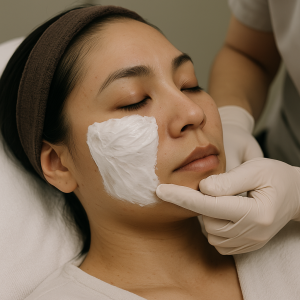
Chemical Peels in Dubai are professional exfoliation treatments that use carefully selected chemical solutions to remove damaged or dead skin cells. The process encourages the skin to renew itself and can improve the appearance of several surface-level concerns.
Different ingredients and concentrations produce different effects. Some treatments are gentle enough to provide a refreshed appearance with limited recovery, while stronger options require more noticeable healing.
The appropriate peel depends on factors such as skin type, sensitivity, pigmentation, texture, previous treatments, and the desired outcome.
Superficial Chemical Peels
Superficial peels primarily target the outermost layer of the skin. They are generally chosen for mild concerns such as dullness, uneven texture, minor pigmentation, and general skin refreshing.
Because they work closer to the surface, recovery is often shorter compared with stronger treatments. Some people may experience mild dryness or flaking rather than extensive peeling.
Common exfoliating ingredients used in superficial treatments include glycolic acid, lactic acid, and salicylic acid, although the exact formulation varies according to the treatment plan.
These peels can be particularly useful when the goal is to maintain a smoother, fresher-looking complexion without extensive downtime.
Medium-Depth Chemical Peels
Medium-depth peels penetrate further into the skin than superficial treatments. They may be considered for more noticeable pigmentation, uneven texture, sun-related changes, and certain signs of skin aging.
Because the treatment affects a deeper level, the recovery process can involve more redness, sensitivity, dryness, or peeling.
This type of peel requires careful selection and preparation. The skin needs sufficient time to recover, and aftercare becomes especially important.
A medium-depth treatment should not be chosen simply because it is stronger. Its suitability depends on the specific skin concern and individual response.
Deep Chemical Peels
Deep peels have a much stronger effect and reach further into the skin. They may be considered for selected concerns where more intensive resurfacing is appropriate.
Because of their depth, these treatments involve a more significant recovery period and require careful professional assessment.
Deep peeling is not suitable for everyone, and it is not necessarily the ideal solution for common concerns such as mild dullness or superficial pigmentation. A less intensive option may sometimes provide a more appropriate balance between improvement and recovery.
How Do Chemical Peel Ingredients Differ?
The ingredients used in chemical peels influence how the treatment interacts with the skin.
Glycolic acid is an alpha hydroxy acid commonly used to exfoliate the surface and improve the appearance of texture and dullness.
Lactic acid is another alpha hydroxy acid that can provide exfoliation while often being considered for individuals seeking a gentler approach.
Salicylic acid is a beta hydroxy acid frequently associated with oily and blemish-prone skin because of its ability to exfoliate within oil-rich areas.
Other peeling agents may be selected for specific concerns and skin types. The concentration and formulation are just as important as the ingredient itself.
Which Peel Is Suitable for Acne-Prone Skin?
Acne-prone skin can involve excess oil, clogged pores, dead cell buildup, and post-breakout marks. Certain chemical peels may help improve the appearance of these concerns.
Salicylic acid-based treatments are commonly considered when excess oil and clogged pores are prominent. They can help exfoliate accumulated material and support a clearer-looking surface.
However, the presence of active inflammation or significant irritation can affect treatment suitability. Chemical exfoliation should be approached carefully when the skin barrier is compromised.
Chemical Peels for Pigmentation
Pigmentation can have different causes, including sun exposure, acne, inflammation, and hormonal changes. Some superficial discoloration may respond to controlled exfoliation.
Chemical peeling can help remove pigmented surface cells and encourage the appearance of a more even complexion. However, treatment must be carefully planned because irritation can sometimes worsen pigmentation.
Sun protection is therefore an essential part of the process. Without adequate protection, ultraviolet exposure can contribute to recurring discoloration.
Chemical Peels for Fine Lines and Texture
As the skin ages, the renewal process can become slower, and fine lines and roughness may become more noticeable. Some chemical peels can refine the surface and make the complexion look smoother.
Superficial treatments may be appropriate for early signs of aging, while stronger resurfacing may be considered for more pronounced concerns.
It is important to maintain realistic expectations. Chemical peeling can improve the appearance of superficial lines and texture, but deeper wrinkles and significant skin laxity may require other approaches.
How to Choose the Right Chemical Peel
Choosing the appropriate peel involves more than selecting a strength. Skin type, sensitivity, pigmentation history, current skincare products, and the primary concern should all be considered.
For mild dullness, a superficial peel may be sufficient. Someone with more noticeable pigmentation or texture changes may require a different formulation or treatment depth.
The skin's response to previous treatments can also provide useful information. If the skin has reacted strongly to exfoliating products in the past, a gentler approach may be more appropriate.
A personalized assessment helps establish realistic goals and select a treatment that matches the skin.
Preparing for Chemical Peels in Dubai
Preparation can vary depending on the peel. Some skincare products containing strong exfoliating or active ingredients may need to be paused temporarily.
Excessive sun exposure should also be avoided before treatment. Protecting the skin from ultraviolet radiation can help reduce unnecessary sensitivity.
Keeping the skin moisturized and avoiding harsh scrubbing can help maintain the skin barrier before treatment.
It is also useful to provide information about previous aesthetic procedures and regular skincare products so the treatment plan can be adjusted appropriately.
What Is Recovery Like?
Recovery depends on the depth of the peel. Superficial treatments may cause mild dryness, tightness, or limited flaking.
Medium-depth treatments can produce more noticeable peeling, redness, and sensitivity. Deep treatments involve a more significant healing process.
Regardless of the peel type, the skin should be handled gently during recovery. Peeling should be allowed to happen naturally rather than being pulled away.
Moisturization and sun protection are particularly important while the skin is recovering.
Chemical Peel Aftercare
Proper aftercare helps reduce irritation and supports skin recovery. Gentle cleansing should replace vigorous scrubbing, and suitable moisturization can help maintain comfort.
Daily sunscreen use is especially important because exfoliated skin can be more sensitive to ultraviolet exposure.
Strong exfoliating products should generally be avoided until the skin has sufficiently recovered. Returning to active skincare should be gradual and based on the treatment's recovery requirements.
Following aftercare consistently can help maintain a smoother and more even-looking complexion.
How Long Do Results Last?
Results vary according to the treatment depth, skin condition, lifestyle, and skincare routine. Superficial peels may provide a temporary refreshed appearance, while a planned series may offer more noticeable improvement for recurring concerns.
The skin continues to experience sun exposure, environmental stress, and natural aging after treatment. Maintaining sun protection and a suitable skincare routine can help preserve the results.
Regular treatment should not be based solely on frequency. The skin needs adequate time to recover between sessions.
Final Thoughts
Chemical Peels in Dubai are available in different strengths and formulations, allowing treatment to be adapted to concerns such as dullness, uneven texture, pigmentation, acne-related marks, and early signs of aging. Understanding the differences between superficial, medium-depth, and deep peels can help you choose an option that matches your skin's needs and recovery expectations. If you are exploring professional chemical peel treatments, TAJMEELS DUBAI عيادة تجميل can be considered as part of your research into suitable skin rejuvenation options.