


Anyone who has sat through a conference with muffled sound or watched a keynote speaker fumble with a frozen screen knows how quickly technical problems can pull an audience out of the moment. Great content deserves great delivery, and the technology behind an event, the sound, the visuals, the lighting, often decides whether people stay engaged or start checking their phones.
This is especially true in a city like Orlando, where corporate meetings, trade shows, conventions, and large scale productions happen almost every week. When businesses search for an orlando audiovisual company, they are usually looking for more than equipment rental. They want a team that understands how to translate an idea into an experience that actually lands with the audience in the room and, increasingly, with the audience watching from home.
Why Professional Audiovisual Production Matters
Audiovisual production is often treated as a background detail, something to sort out once the venue, catering, and agenda are locked in. In reality, it shapes how information is received and remembered. A presenter with clean audio and a crisp visual backdrop comes across as credible and prepared. The same content delivered through a distorted microphone or a dim, poorly framed screen can feel disorganized, even if the material itself is strong.
Professional production also protects against the unpredictable. Rooms have different acoustics, lighting conditions change throughout the day, and internet connections are not always reliable. Experienced technical teams plan for these variables ahead of time instead of reacting to them mid event.
How Quality Audio Improves Audience Engagement
Sound is the part of an event people notice most when it goes wrong and barely register when it goes right. That balance is intentional. A well designed sound system distributes audio evenly across a room so that people in the back hear the same clarity as those in the front row.
Microphone choice matters just as much as speaker placement. Handheld mics work for structured presentations, while lavalier or headset microphones give speakers freedom to move naturally during panels or product demonstrations. For breakout sessions or workshops, wireless systems reduce clutter and let facilitators walk through the space without losing sound quality.
Poor audio does more than annoy an audience. It causes people to disengage, ask for information to be repeated, or simply miss key points entirely. Getting this right is one of the most practical investments an event organizer can make.
The Role of Video and Visual Technology
Visual technology has expanded well beyond a simple projector and screen. LED walls now allow for vibrant, high resolution backdrops that can display branding, live camera feeds, or dynamic content that shifts throughout a program. For general sessions and keynotes, these displays help reinforce messaging in a way that static slides cannot.
Projectors still play an important role, particularly for breakout rooms or smaller presentations where a full LED setup is not necessary. The key is matching the right visual tool to the room size, lighting conditions, and content being shown.
Event video production, including live camera switching and recorded content, adds another layer of professionalism. Attendees at large conferences often rely on side screens to see speaker expressions and slides clearly, especially in bigger venues where the stage feels distant.
Lighting and Staging for a Stronger Event Atmosphere
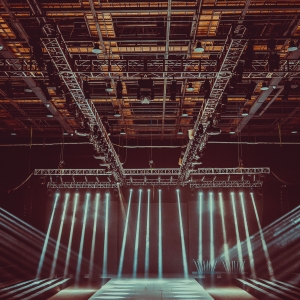
Lighting does more than help people see. It sets mood, draws attention to the right focal points, and helps distinguish between different segments of a program, such as a formal presentation versus a networking reception. Warm lighting can make a space feel welcoming, while brighter, more structured lighting suits keynote presentations where clarity and focus are priorities.
Stage design works alongside lighting to create a cohesive visual identity. Branded backdrops, thoughtful furniture placement, and clean sightlines all contribute to how professional an event feels from the moment guests walk in.
Live Streaming and Hybrid Event Considerations
Hybrid events have become a regular part of corporate planning, and they come with their own technical demands. Streaming quality depends on stable internet connections, properly configured cameras, and audio that translates well through a screen rather than just a speaker in the room.
Remote attendees should feel like genuine participants rather than an afterthought. This means clear audio pickup from in room speakers, readable visuals on screen, and a production plan that accounts for both audiences at once rather than treating the stream as a simple recording of the live event.
Why Technical Planning and Onsite Support Matter
The best audiovisual experiences are the ones nobody has to think about. That level of smoothness comes from planning done well before the event starts. Site visits, equipment testing, and rehearsal runs help identify potential issues before an audience is in the room.
Onsite technical support during the event itself is just as important. Even with careful preparation, having a knowledgeable team present to make real time adjustments, whether that is fixing audio feedback or adjusting a lighting cue, keeps the event running without visible disruption.
How to Choose the Right Audiovisual Partner
Selecting an audiovisual partner is not just about comparing equipment lists. Experience with similar event types, familiarity with local venues, and a willingness to customize solutions for a specific event are all worth considering. A good partner asks questions about goals and audience before recommending equipment.
AV-America approaches events this way, working with organizers to build audio, video, lighting, and staging solutions tailored to the specific space and purpose of each event, rather than applying a one size fits all package. That kind of personalized planning tends to produce a smoother, more polished result.
Bringing It All Together
Audiovisual production is not a checklist item to finalize at the last minute. It shapes how an audience experiences a message, whether that message comes through clearly or gets lost in poor sound and confusing visuals. Businesses and organizers planning events in Orlando benefit from working with a team that treats technical planning as part of the event strategy from the start.
If you are preparing an upcoming conference, meeting, or corporate event and want a technical partner who understands how to bring the vision together, reaching out to a team like AV-America early in the planning process can make the difference between an event that runs smoothly and one that leaves technical gaps for guests to notice.