



Muscle health plays an important role in movement, strength, balance, and everyday physical performance. As people age or experience injuries, maintaining healthy muscle tissue can become more challenging. Interest in regenerative approaches has therefore grown, including Stem Cells Therapy Dubai, which is being explored for its potential role in supporting musculoskeletal health. While stem cell-based approaches are still an evolving area of medicine, they have attracted attention because of their potential to support tissue repair and improve the environment around damaged or stressed tissues. Understanding where this approach may fit within broader muscle-health strategies can help people develop realistic expectations.
Why Is Muscle Health Important?
Healthy muscles do more than provide physical strength. They contribute to posture, joint stability, mobility, coordination, and the ability to perform routine activities comfortably.
- Better mobility and functional strength
- Greater physical independence
- Improved joint support
- More stable movement patterns
- Participation in exercise and daily activities
Because muscles interact closely with tendons, joints, nerves, and connective tissues, concerns involving muscle function are often considered as part of overall musculoskeletal health rather than in isolation.
Can Stem Cell Therapy Support Muscle Health?
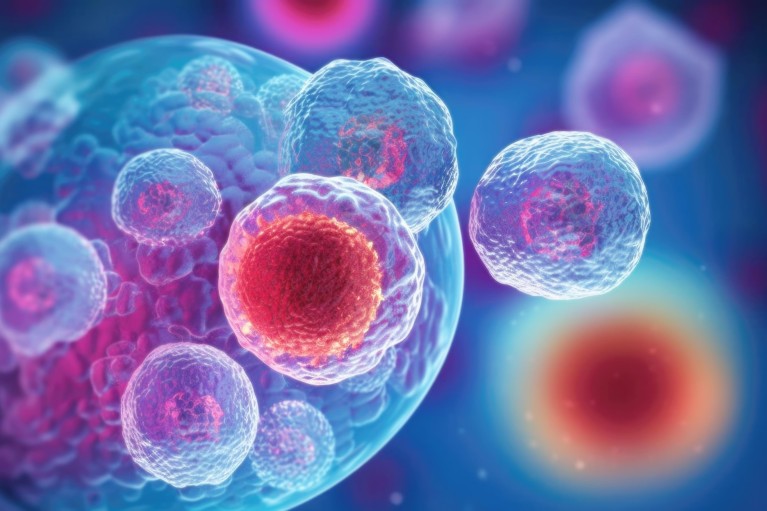
Stem cell therapy is being investigated for several regenerative applications, including musculoskeletal conditions. Researchers are examining whether particular cell-based approaches could support tissue repair, regulate local inflammation, or encourage healthier tissue environments.
For muscle-related concerns, this area of research is particularly interesting because significant muscle damage may involve more than temporary soreness. Injured tissue can affect strength and mobility, while prolonged problems may contribute to reduced physical activity.
Which Muscle Concerns May Attract Interest?
Interest in regenerative medicine can arise from different types of musculoskeletal concerns. Some people may explore emerging therapies after injuries, while others may be interested because of persistent tissue problems or age-related changes.
- Muscle injuries associated with physical activity
- Soft-tissue damage
- Musculoskeletal degeneration
- Difficult-to-resolve tissue problems
How Does Muscle Health Connect With Physical Activity?
Regular physical activity remains an important component of maintaining muscle health. Strength exercises can help preserve functional capacity, while appropriate movement can support flexibility, coordination, and endurance.
For someone considering regenerative medicine, these fundamentals remain relevant. A cell-based treatment should not automatically be viewed as a replacement for exercise, rehabilitation, nutritional support, or appropriate medical management. Instead, regenerative approaches are generally discussed within a broader framework of musculoskeletal care.
What Factors Can Influence Muscle Function?
Muscle performance can change for many reasons, making it important to understand the underlying issue before considering any advanced therapy.
- Age and natural changes in muscle mass
- Previous injuries
- Physical inactivity
- Repetitive strain
- Nutritional deficiencies
- Certain chronic health conditions
Are Stem Cell Approaches Suitable for Everyone?
No single regenerative treatment is appropriate for every person or every muscle-related concern. Stem cell medicine is a broad field, and different approaches have different levels of clinical evidence.
People should consider the specific diagnosis, available evidence, potential benefits, possible risks, and alternative management options before making a treatment decision. It is also important to discuss any proposed stem cell intervention with a qualified healthcare professional who can explain whether it is appropriate for the individual's circumstances.
What Should People Know About Expectations?
Interest in regenerative medicine can sometimes create unrealistic expectations. The term “stem cells” covers several different therapeutic concepts, and outcomes reported in research cannot automatically be applied to every treatment offered in practice.
A responsible approach involves recognizing that research is ongoing. Some applications have been studied extensively, while others remain experimental or have limited clinical evidence. The quality of evidence can also differ depending on the condition being treated.
Final Thoughts
Stem cell therapy is an emerging area of regenerative medicine with potential relevance to muscle and broader musculoskeletal health. Research continues to investigate how cell-based approaches may support damaged or stressed tissues, but their effectiveness can vary according to the condition, treatment approach, and available clinical evidence. Maintaining muscle health still involves established factors such as appropriate physical activity, balanced nutrition, recovery, and professional medical guidance.