



Fine hair is characterized by the small diameter of individual hair strands. People with this hair type may have a naturally soft texture, delicate strands, and less visible volume than those with thicker hair. People exploring Hair Transplant in Dubai should understand that suitability depends on factors such as donor hair availability, scalp condition, hair loss patterns, and the characteristics of the existing hair. Hair density, scalp coverage, and the distribution of existing strands all influence how full the hair appears. Understanding these characteristics helps individuals assess whether hair restoration aligns with their hair concerns and personal expectations.
Why Hair Thickness Matters in Hair Restoration
Hair thickness influences how much scalp coverage an individual naturally has. Thicker strands generally create a fuller appearance, while fine strands may leave more scalp visible, particularly under bright lighting. This distinction can affect expectations surrounding hair restoration. People with fine hair should consider their natural texture rather than comparing their hair characteristics directly with those of individuals who have coarse strands. Hair restoration suitability involves several factors, and thickness is only one part of the overall picture.
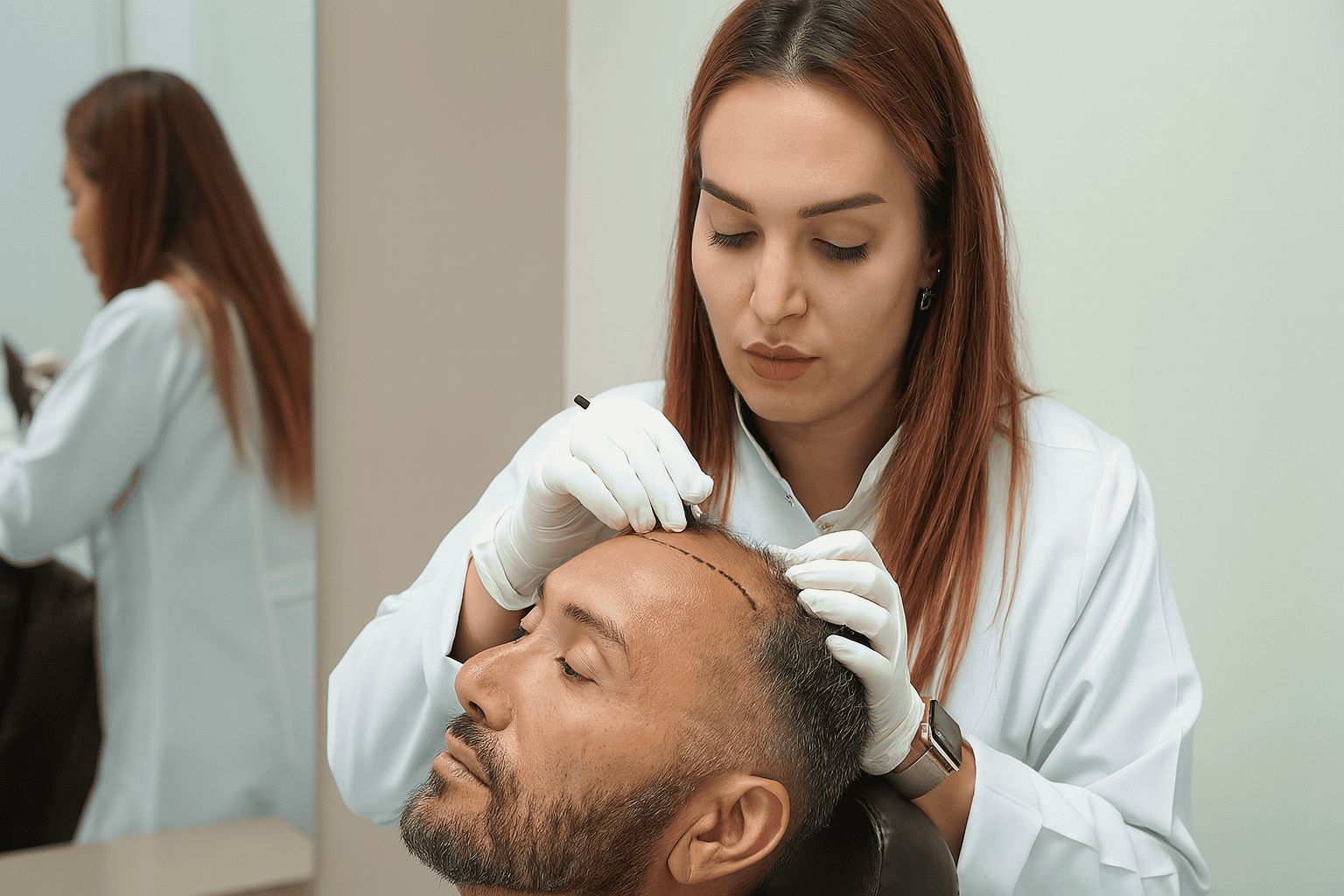
The Importance of Donor Hair Characteristics
Donor hair refers to the hair available from areas of the scalp that may be suitable for transplantation. Its characteristics are particularly relevant for individuals with fine hair because the donor area must be considered alongside the areas affected by thinning.
Important considerations include:
-
Strand diameter: Fine donor hairs may offer less visual coverage than thicker strands.
-
Donor density: The amount of available hair can influence the options worth discussing.
-
Hair consistency: Differences in texture and thickness across the scalp may affect overall suitability.
These characteristics help establish realistic expectations without assuming that every person with fine hair has the same restoration needs.
How Hair Density Differs From Hair Thickness
Hair density and hair thickness are related but distinct characteristics. Thickness describes the diameter of an individual strand, whereas density refers to the number of hairs within a particular area of the scalp. Someone may have fine hair but relatively high density, while another person may have fine hair alongside noticeable thinning.
This distinction matters because an assessment based solely on strand thickness may overlook important aspects of scalp coverage. Individuals should consider both characteristics when evaluating their hair concerns.
Common Concerns Among People With Fine Hair
People with fine hair often worry that their natural texture will limit their hair restoration options. Although fine strands require careful consideration, they do not automatically exclude someone from being a candidate.
Common concerns include:
-
Visible scalp: Fine hair may provide less coverage, making certain areas appear thinner.
-
Limited donor hair: Some individuals may have fewer suitable donor resources than others.
-
Natural appearance: People may be concerned about whether restored hair will complement their existing texture.
The Role of Existing Hair Loss Patterns
Hair loss patterns are important when assessing any potential hair restoration option. Some people experience thinning around the hairline, while others notice reduced coverage across the crown or broader areas of the scalp. Fine hair can make these changes more noticeable because individual strands provide less visual fullness.
Existing hair should also be evaluated in relation to the areas of concern. A person's current pattern of thinning may affect whether transplantation is appropriate, regardless of whether their hair is fine, medium, or coarse.
Scalp Health and Individual Suitability
Scalp health is another important consideration for people exploring hair restoration. Conditions involving persistent irritation, inflammation, or other scalp abnormalities may require attention before an individual is considered suitable for transplantation. Fine hair itself does not establish whether the scalp is healthy or unhealthy.
Other personal factors, including the nature of the hair loss and the availability of suitable donor hair, also contribute to an overall assessment. Individuals should avoid assuming that a particular hair texture guarantees suitability.
Setting Realistic Expectations With Fine Hair
Realistic expectations are particularly important when considering hair restoration with fine strands. Because fine hair may provide less natural coverage, individuals should understand that their underlying hair characteristics remain relevant to their expectations.
Useful points to consider include:
-
Natural texture: Expectations should reflect the person's own strand diameter and hair pattern.
-
Coverage needs: Areas with noticeable scalp visibility may require careful consideration.
-
Individual differences: Two people with fine hair may have very different levels of density and donor availability.
Final Thoughts
Hair transplantation may be suitable for some people with fine hair, but the decision depends on more than the diameter of individual strands. Donor hair availability, scalp health, hair density, existing hair loss patterns, and personal expectations all contribute to suitability. Fine hair may provide less natural coverage than thicker hair, making an individualized assessment especially important. By understanding the differences between hair thickness and density, individuals can approach hair restoration with more informed expectations.