



Loose skin around the abdomen is a common concern for people who have experienced pregnancy, significant weight changes, or natural aging. As the skin stretches, its ability to return to its previous shape may become limited. This can create folds, a sagging appearance, or excess skin around the lower stomach. A tummy tuck, medically known as abdominoplasty, is a surgical approach designed to address excess abdominal skin and, when appropriate, underlying muscle separation. People researching Tummy Tuck Surgery Cost in Dubai may also want to understand how this treatment relates to their specific concerns about loose skin.
How Does a Tummy Tuck Address Loose Skin?
A tummy tuck is particularly relevant when loose abdominal skin remains after the body has undergone substantial changes. Important considerations include:
-
The amount of loose skin around the upper and lower abdomen.
-
The location of skin folds and areas of sagging.
-
Whether abdominal muscle separation is also present.
-
The individual's overall health and surgical suitability.
These factors help determine whether abdominoplasty is an appropriate option for addressing abdominal skin laxity.
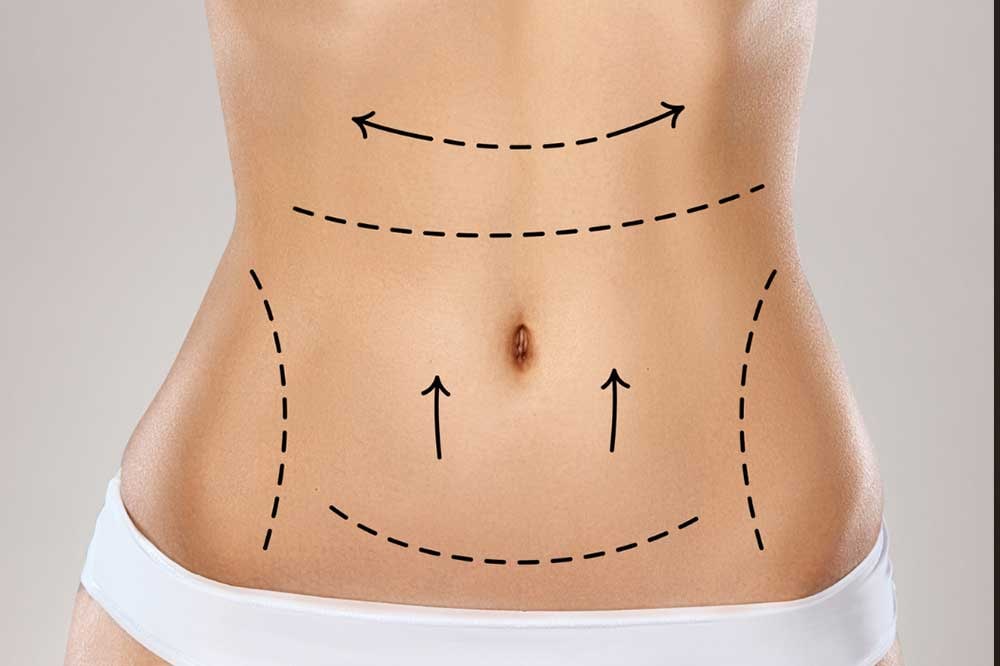
Why Does Abdominal Skin Become Loose?
Several factors contribute to reduced abdominal skin firmness. Pregnancy can stretch the skin and abdominal tissues as the body adapts to physical changes. Significant weight loss may leave excess skin that does not contract sufficiently around the smaller body shape. Ageing can also reduce collagen and elastin, which support skin structure and elasticity. Genetics, repeated fluctuations in body weight, and individual tissue characteristics may influence the degree of laxity. Recognising these contributing factors provides useful context when considering whether surgical skin removal is appropriate.
Is a Tummy Tuck Suitable After Pregnancy?
Pregnancy can leave the abdominal area with stretched skin, persistent folds, and changes in the underlying muscles. For individuals who have completed their pregnancies and continue to experience substantial loose skin, a tummy tuck may be worth discussing with a qualified plastic surgeon. The assessment should consider recovery from childbirth, general health, future pregnancy plans, and the condition of the abdominal tissues. Anyone considering surgery should understand that another pregnancy may stretch the skin and abdominal wall again, potentially changing the area's appearance.
Can a Tummy Tuck Help After Significant Weight Loss?
People who lose a considerable amount of weight sometimes find that excess abdominal skin remains despite maintaining an active lifestyle. Relevant factors include:
-
Maintaining a relatively stable body weight.
-
Having sufficient general health for elective surgery.
-
Understanding the distinction between excess skin and abdominal fat.
-
Discussing expectations and potential scarring with a surgeon.
A professional assessment can help clarify whether surgical skin removal matches the individual's circumstances.
What Is the Difference Between Skin Laxity and Muscle Separation?
Skin laxity refers to loose or stretched skin, whereas abdominal muscle separation, known as diastasis recti, occurs when the muscles on either side of the abdomen move apart. These concerns may appear together, particularly after pregnancy, but they are not the same condition. A tummy tuck may address excess skin and can include muscle repair when clinically appropriate. However, the recommended approach depends on an examination of the abdominal wall, the location of loose tissue, and the individual's medical history.
Who May Be a Suitable Candidate?
Suitability for abdominoplasty is determined through an individual medical evaluation. People with persistent excess abdominal skin may be candidates, provided their health and circumstances support elective surgery. Potential considerations include:
-
Being in generally good health.
-
Having realistic expectations about surgical changes and scarring.
-
Maintaining a stable weight before considering surgery.
-
Being prepared to follow medical advice during recovery.
What Should You Know About Surgical Considerations?
Although a tummy tuck can address selected concerns involving abdominal skin, it is a major operation and requires careful consideration. Possible risks include bleeding, infection, fluid accumulation, blood clots, delayed wound healing, changes in sensation, and noticeable scarring. The extent of surgery also depends on how much skin needs to be removed and where the laxity is located. Patients should discuss their medical history, anaesthesia, wound care, recovery arrangements, and possible complications with a qualified plastic surgeon before making a decision.
How Can You Prepare for a Consultation?
A consultation provides an opportunity to discuss abdominal concerns and understand the available treatment approaches. Consider asking about:
-
The type and extent of surgery being recommended.
-
The expected location and appearance of surgical scars.
-
Personal medical factors that could increase surgical risks.
-
The care and support required during recovery.
Final Thoughts
A tummy tuck may be suitable for individuals who have persistent stomach skin laxity following pregnancy, significant weight loss, or age-related changes. By removing selected excess skin and addressing abdominal muscle separation when appropriate, the surgery can help improve abdominal contour. However, suitability varies according to skin condition, general health, personal circumstances, and expectations. Anyone considering this option should consult a qualified plastic surgeon for an individual assessment and a balanced discussion of potential benefits, limitations, and risks.