



Dry skin can make the complexion appear dull, rough, flaky, and less comfortable throughout the day. Even with regular moisturizing, some people struggle to maintain a soft, refreshed appearance. Choosing a suitable skincare treatment requires understanding the skin’s individual needs and hydration levels. Hydrafacial in Dubai is an option that attracts attention among people looking to improve their skin’s overall appearance while addressing concerns associated with dryness. However, whether it is the right choice depends on the severity of dryness, skin sensitivity, and existing skincare habits.
Understanding the Common Signs of Dry Skin
Dry skin can affect people of different ages and skin types. It often becomes more noticeable when environmental conditions change or when the skin is exposed to unsuitable skincare products. Common signs of dry skin include:
-
Rough or uneven skin texture.
-
Flaky patches around the nose, cheeks, and forehead.
-
A tight or uncomfortable feeling after cleansing.
-
Dullness and a lack of natural-looking radiance.
-
Fine lines that appear more noticeable when the skin lacks moisture.
-
Increased sensitivity to certain skincare ingredients.
What Makes Hydrafacial Appealing for Dry Skin?
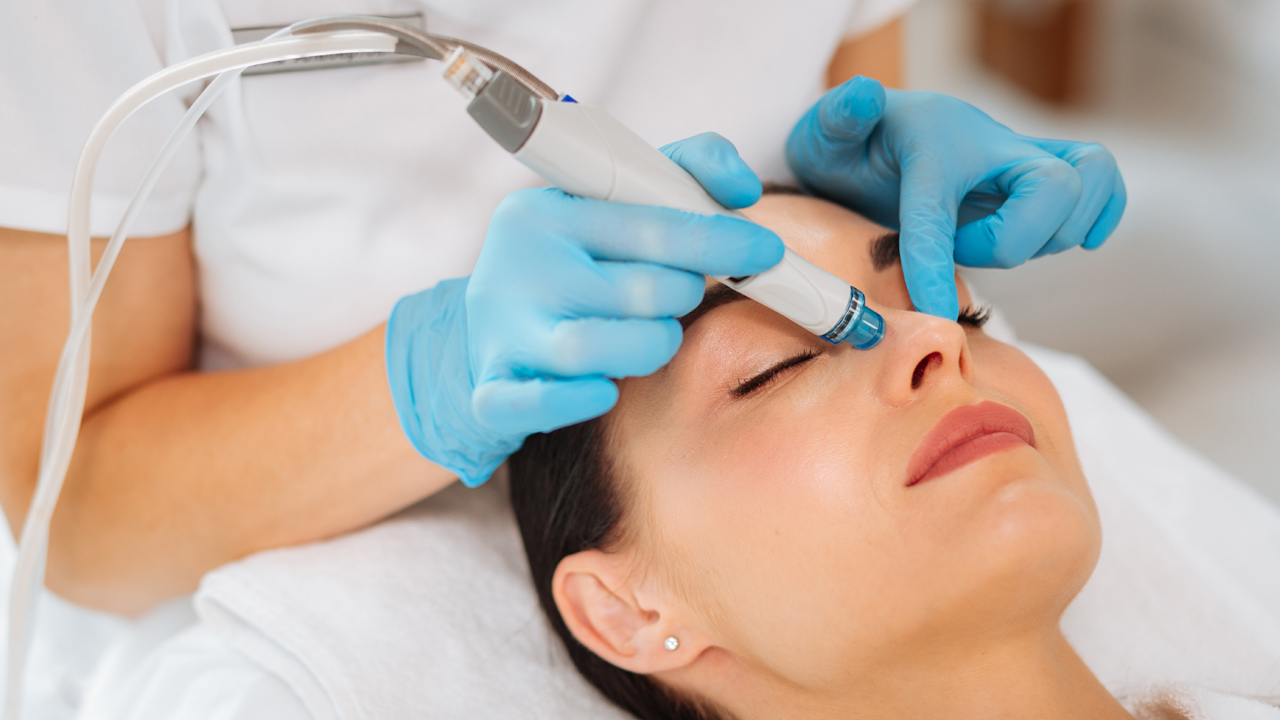
People with dry skin often seek skincare options that support a smoother, more refreshed complexion without leaving their skin feeling excessively stripped. Hydrafacial is known for its focus on cleansing, exfoliation, and hydration-oriented skincare.
Its appeal for dry skin concerns lies in the combination of skin-cleansing benefits and moisturizing ingredients. Rather than focusing exclusively on removing surface impurities, this type of facial is associated with improving the skin's overall appearance and helping it feel more comfortable.
Can Hydrafacial Help With Dehydrated Skin?
Dry skin and dehydrated skin are related but different concerns. Dry skin generally refers to a skin type that produces less natural oil, whereas dehydration describes a lack of water within the skin. A person with oily skin can also experience dehydration.
Hydration-focused skincare may help improve the appearance of dehydrated skin by supporting a softer, more supple complexion. When the skin looks tired or feels tight, moisturizing ingredients can be particularly valuable.
The Importance of a Healthy Skin Barrier
The skin barrier helps retain moisture and protect the skin from environmental irritants. When this protective layer becomes compromised, the skin may feel rough, itchy, tight, or unusually sensitive. A suitable skincare routine should focus on:
-
Using mild, non-stripping cleansers.
-
Applying moisturizers containing ingredients such as ceramides and glycerin.
-
Avoiding unnecessary exfoliation when the skin feels irritated.
-
Protecting exposed skin with broad-spectrum sunscreen.
-
Limiting products that cause stinging, redness, or increased tightness.
Is Hydrafacial Suitable for Sensitive, Dry Skin?
Dryness and sensitivity often occur together, making product selection particularly important. Some people experience redness or irritation when their skin encounters exfoliating ingredients, fragrances, or unfamiliar skincare formulations.
Anyone experiencing active irritation, eczema flare-ups, open skin, or significant inflammation should seek appropriate professional guidance before considering an exfoliating facial. A gentler skincare approach may be more suitable until the skin is comfortable and stable.
Environmental Factors That Contribute to Dryness
External conditions can influence how dry or uncomfortable the skin feels. Air conditioning, low humidity, sun exposure, and frequent contact with hot water may contribute to moisture loss or aggravate existing dryness.
People who spend considerable time in air-conditioned environments can benefit from applying moisturizer consistently and avoiding unnecessarily harsh skincare products. Adjusting these habits can help maintain a comfortable complexion alongside any carefully selected facial treatment.
Hydrafacial and a Consistent Skincare Routine
A facial treatment should not be viewed as a replacement for everyday skincare. Dry skin generally benefits from regular, gentle care that supports moisture retention and minimizes irritation.
A balanced routine can include a mild cleanser, a moisturizer suited to the skin's needs, and sunscreen during daytime exposure. Additional products should be introduced thoughtfully rather than applied all at once. It is also helpful to monitor how the skin responds to new ingredients.
When Should You Consider Another Skincare Approach?
Not every dry skin concern is best addressed with a facial treatment. Persistent flaking, intense itching, painful cracks, and recurring redness can indicate an underlying skin condition that requires more targeted care.
People experiencing these symptoms should consider consulting a qualified dermatologist rather than relying exclusively on cosmetic skincare. Similarly, individuals with highly reactive skin may benefit from simplifying their routines and focusing on barrier-supporting moisturizers before introducing exfoliating treatments.
Final Thoughts
Hydrafacial may be a suitable skincare option for some people experiencing mild dryness, dehydration, or a dull complexion. Its hydration-focused approach can appeal to individuals seeking smoother-looking skin, but suitability depends on skin sensitivity, barrier health, and the nature of the concern. The most important consideration is to avoid treating all forms of dryness in the same way. Mild dehydration may benefit from consistent moisturizing care, while persistent irritation or severe dryness may require a more cautious approach.