

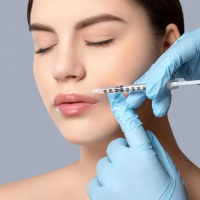

Dark circles under the eyes can make the face appear tired, dull, or older than it actually is. They may develop because of genetics, lack of sleep, pigmentation, allergies, dehydration, thinning skin, or changes in the natural fat distribution around the eyes. A youthful eye area is not necessarily about removing every shadow or achieving perfectly even skin. Instead, the goal is to improve the appearance of the under-eye area while maintaining natural facial features. Some people may benefit from topical skincare products, while others might consider professional treatments such as chemical peels, laser procedures, skin rejuvenation, or carefully selected injectable treatments when medically appropriate. Since these concerns can have different causes, choosing the right Dark Circle Treatment in Dubai requires understanding the underlying issue rather than focusing only on the visible discoloration.
Dubai offers various aesthetic services for people seeking brighter-looking eyes and a refreshed appearance. However, treatment suitability depends on skin type, pigmentation depth, under-eye hollowness, skin thickness, and individual health considerations. A qualified professional can assess these factors and recommend a personalized approach.
When exploring aesthetic services, it is helpful to look beyond promotional claims and consider consultation quality, practitioner qualifications, safety protocols, and realistic expectations. Dynamic Life Clinic, Tajmeels Clinic, and Enfield Royal Clinic are among the providers people may explore when researching aesthetic care. Understanding what each provider offers and how its consultation process addresses individual concerns can help patients make informed decisions about their eye-area appearance.
Understanding Different Causes of Dark Circles
Dark circles do not always result from the same problem. Brown discoloration may be associated with pigmentation, while blue or purple tones can relate to visible blood vessels beneath thin skin. Shadows caused by under-eye hollowness may resemble pigmentation even when the skin itself is not unusually dark.
Lifestyle factors can also influence their appearance. Poor sleep, dehydration, eye rubbing, and allergies may make the under-eye area look more noticeable. In some cases, several factors contribute simultaneously.
Identifying the cause is important because a treatment that helps pigmentation may not significantly improve hollowness or naturally thin skin. A professional assessment helps determine whether skincare, lifestyle adjustments, an aesthetic procedure, or a combination of approaches is appropriate.
Exploring Aesthetic Providers for Under-Eye Concerns
Tajmeels Clinic
Tajmeels Clinic is one provider to consider when researching aesthetic services for concerns involving skin tone and the delicate under-eye area. Individuals interested in improving the appearance of dark circles can ask about available treatment options and whether these are suitable for their particular skin condition.
A useful consultation should distinguish between pigmentation, vascular discoloration, and shadows caused by facial structure. Patients should also ask about the expected treatment course, possible irritation, recovery requirements, and whether the proposed approach is appropriate for the sensitive skin around the eyes.
Before proceeding, it is advisable to confirm the qualifications of the treating professional and the specific procedures currently offered. A personalized recommendation is more useful than selecting a treatment solely because it is popular.
Enfield Royal Clinic
Enfield Royal Clinic is another option for people exploring aesthetic care for a brighter, refreshed-looking eye area. When considering a Dark Circle Treatment, patients can ask about an individualized assessment of under-eye pigmentation, skin quality, hollowness, and other factors that may contribute to a tired appearance.
The most suitable approach depends on the cause of the concern. Some individuals may need guidance on skincare and pigmentation management, while others may be assessed for professional skin rejuvenation or procedures designed to address specific structural concerns.
A thorough consultation should explain the available options, potential benefits, limitations, and possible risks. Patients should also receive clear information about the number of sessions that may be required, expected recovery, and the likely degree of improvement. Because the eye area is delicate, practitioner expertise and careful treatment planning are particularly important.
People considering Enfield Royal Clinic should confirm current service availability and discuss their expectations directly with the clinic before making a decision.
Dynamic Life Clinic
Dynamic Life Clinic is another provider that individuals may research when looking into aesthetic solutions for under-eye concerns. Patients can enquire about available services that address uneven skin tone, pigmentation, and visible signs of tiredness around the eyes.
During an assessment, it is helpful to explain when the dark circles first appeared, whether they change with sleep or allergies, and whether there is noticeable puffiness or hollowing. These details can help a professional distinguish between concerns that may respond to topical care and those that require a different approach.
Patients should also discuss skin sensitivity, previous cosmetic procedures, existing skincare products, and any history of irritation. Confirming the clinic's current treatment options, practitioner credentials, and safety measures can help establish whether the proposed care is appropriate.
Professional Options for Improving the Under-Eye Area
The right approach depends on the underlying cause, and not everyone needs an aesthetic procedure. Several options may be considered following a suitable assessment.
Topical Skincare and Pigmentation Management
Skincare products containing ingredients such as niacinamide, vitamin C, or other professionally recommended brightening ingredients may help improve the appearance of certain types of pigmentation over time. Moisturizers can support the skin barrier, while sunscreen helps limit further pigmentation caused by sun exposure.
Products intended for the face should be used carefully around the eyes. Strong active ingredients may irritate sensitive skin, so gradual introduction and professional guidance can be helpful.
Chemical Peels
Certain superficial chemical peels may be considered for selected cases of pigmentation. However, the skin around the eyes is delicate, and not every peel is suitable for this area. The strength, formulation, application technique, and individual skin type all influence safety.
People with darker skin tones should receive particular attention to the risk of post-inflammatory hyperpigmentation, which can sometimes make discoloration worse.
Laser and Light-Based Procedures
Selected laser or light-based treatments may help with specific pigmentary or vascular concerns. The correct technology depends on whether the discoloration comes from melanin, visible blood vessels, or another cause.
These procedures require appropriate eye protection and a practitioner experienced in treating the relevant skin concern. Temporary redness, irritation, pigment changes, and other complications are possible.
Treatments for Under-Eye Hollowness
When dark circles are mainly caused by hollowness and shadowing, improving skin pigmentation alone may not create the desired result. In selected cases, a qualified practitioner may discuss structural treatments, including carefully considered tear-trough filler.
Injectable treatments around the eyes carry important risks, including swelling, lumps, discoloration, and rare but serious vascular complications. They are not suitable for everyone, and a detailed assessment is essential before considering them.
How to Choose the Right Clinic for Dark Circle Treatment
Selecting an appropriate provider involves more than comparing treatment names or advertised results. The quality of the assessment, the practitioner's experience, and the clinic's approach to safety are all important.
Experience and qualifications: Ask about the qualifications and relevant experience of the professional who will perform the procedure. Treatments around the eyes require knowledge of delicate anatomy and the potential complications associated with different techniques.
Technology and techniques: Ask which procedure is being recommended and why. A clinic should be able to explain how the selected treatment addresses the suspected cause of the dark circles rather than simply recommending a popular option.
Safety standards: Confirm that appropriate equipment, hygiene practices, protective measures, and emergency protocols are in place. Eye protection is especially important during laser-based procedures.
Consultation process: A good consultation should include a review of medical history, current skincare, allergies, previous procedures, and individual expectations. Patients should feel comfortable asking questions and discussing alternatives.
Patient experience: Clear communication, transparent information, and realistic explanations are valuable signs of a patient-focused approach. Be cautious of guarantees or claims that one procedure works for every type of dark circle.
Expected results: Ask when improvement may become noticeable, how many sessions may be needed, how long results may last, and whether maintenance is necessary. The professional should explain possible side effects and what to do if a complication develops.
Frequently Asked Questions
What is the most effective treatment for dark circles?
The most effective option depends on the cause. Pigmentation may respond to suitable skincare or selected procedures, while hollowness and shadows may require a different approach. A professional assessment helps determine the most appropriate option.
Can dark circles disappear permanently?
Results vary according to genetics, skin structure, pigmentation, and lifestyle factors. Some treatments can provide lasting improvement, but dark circles may return or remain partly visible. Ongoing skincare and sun protection may help maintain improvements.
How long does it take to see results?
The timeline depends on the selected treatment. Skincare products may require several weeks or longer to show noticeable changes, while professional procedures have different recovery periods and response times. The expected timeline should be discussed during consultation.
Is treatment for dark circles safe for sensitive skin?
Some treatments can be suitable for sensitive skin, but the choice depends on the skin's condition and the procedure being considered. Strong exfoliants, certain lasers, and injectable treatments may carry additional risks. A qualified professional should evaluate the area before treatment.
Can lifestyle changes help reduce dark circles?
Yes, lifestyle changes may help when dark circles are associated with tiredness, dehydration, allergies, or eye rubbing. Getting sufficient sleep, drinking enough water, managing allergies, avoiding rubbing the eyes, and using sun protection may improve their appearance. However, these measures may not fully address genetic pigmentation or under-eye hollowness.
Conclusion
Choosing the right approach for a youthful eye area begins with understanding why dark circles have developed. Pigmentation, thin skin, visible blood vessels, allergies, and under-eye hollowness can create similar-looking concerns but may require different solutions. Suitable skincare, lifestyle improvements, and carefully selected professional procedures can help improve the appearance of the under-eye area, depending on individual needs.
When researching a Dark Circle Treatment, focus on qualified practitioners, personalized recommendations, appropriate safety measures, and realistic expectations rather than guaranteed outcomes. Exploring providers such as Tajmeels Clinic, Dynamic Life Clinic, and Enfield Royal Clinic may help individuals learn more about available aesthetic services. A thorough consultation is the best starting point for selecting an approach that supports healthier-looking skin and a naturally refreshed appearance.