



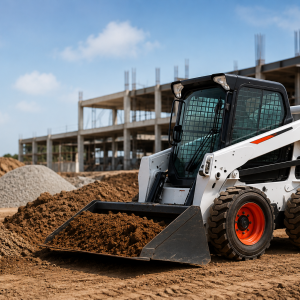
Construction site productivity depends on more than having a skilled team. The equipment used for excavation, material handling, ground preparation and other tasks can affect how smoothly a project progresses. Choosing machinery that suits the site conditions helps reduce unnecessary delays, avoid repeated work and keep crews focused on their responsibilities.
From compact excavators for restricted areas to rollers for ground compaction, each machine has a specific role. The key is to match equipment to the work rather than choosing machinery that is larger or more powerful than the job requires. Here are five practical ways the right equipment can improve productivity on construction sites.
1. Choose Excavators That Match the Job
Excavation is often an essential part of construction, and the wrong machine can slow down work. Contractors should consider digging depth, site access, ground conditions and the volume of material that needs moving before selecting an excavator.
For larger earthmoving tasks, a suitable excavator can help crews complete digging and material removal more efficiently. On smaller sites, a compact machine may provide better access without unnecessarily restricting movement.
When researching the best hitachi excavator, contractors should compare the machine's capacity, operating requirements and suitability for the project rather than relying on brand preference alone. The right choice should support the work planned for the site.
Explore the available excavators for hire to find equipment suited to different construction requirements.
2. Use Compact Equipment in Restricted Spaces
Limited access can create problems on residential sites, landscaping projects and jobs involving narrow work areas. Bringing in machinery that cannot manoeuvre comfortably may create additional work for operators and ground crews.
Mini excavators, including options in the 1–8 tonne range, can be useful for digging trenches, preparing foundations and working in confined spaces. Their compact size can help operators complete tasks where larger equipment would be less practical.
- Assess access points before arranging delivery.
- Check the space required for safe machine operation.
- Match machine size to the digging and lifting requirements.
Review the available mini excavators to understand the options for smaller projects.
3. Improve Material Handling with Skid Steers and Positracks
Moving soil, clearing debris and transporting materials around a site can consume considerable time when handled inefficiently. Skid steers and Positracks can assist with these tasks, helping crews keep work areas organised and materials moving.
The right choice depends on the ground surface, available working space and the attachments needed. Contractors should also plan movement routes to minimise unnecessary travel and reduce congestion around other workers.
Using suitable equipment for material handling allows excavators and other machines to concentrate on their primary tasks instead of being diverted to unrelated work.
Explore skid steers and Positracks to find equipment for site preparation and material movement.
4. Prepare Ground Properly with Compaction Equipment
Ground preparation affects the quality and progress of many construction projects. If soil or aggregate is not compacted appropriately, teams may need to repeat work or correct problems later.
Rollers and other compaction equipment help prepare surfaces for subsequent construction activities. The appropriate machine depends on the material, the area being compacted and the required finish.
- Select equipment suited to the ground conditions.
- Plan compaction before scheduling the next stage.
- Check completed areas before moving work crews forward.
Choosing suitable machinery helps reduce avoidable rework and supports a more organised construction sequence. See the available rollers and compaction equipment for relevant options.
5. Coordinate Equipment with the Project Schedule
Even suitable machinery can become a productivity problem when it arrives too early, too late or without a clear task. Equipment scheduling should reflect the order of work, site access and the availability of operators.
Before booking equipment, identify the tasks that need to be completed, the expected hire period and any attachments required. For smaller loading and movement tasks, researching affordable mini loader hire may also help contractors compare suitable equipment options. Confirm that the selected machine is appropriate for the work and available for the required dates.
Good coordination reduces downtime and helps different teams work without unnecessary interruptions.
Make Equipment Selection Part of Your Productivity Plan
Construction productivity improves when equipment, people and schedules work together. Choosing machinery that fits the task, using compact equipment where access is limited, improving material handling and preparing ground correctly can all help reduce delays.
Before starting your next project, review the work involved and identify the equipment needed at each stage. Explore the available earthmoving equipment hire options to find suitable machinery for your site requirements.