



Acne scars can leave lasting marks on the skin, affecting its smoothness, texture, and overall appearance. Many people explore different approaches to make these imperfections less noticeable and achieve a more even complexion. Among the available options, Microneedling in Dubai has gained attention as a skin treatment for individuals concerned about the appearance of acne scars. Understanding its potential benefits, suitability, and limitations can help people make informed decisions about their skincare needs.
Understanding Visible Acne Scars
Acne scars are changes in the skin that may remain after inflammatory acne has healed. They can vary in appearance, depth, and size, depending on individual skin characteristics and the severity of previous breakouts. Common types of acne scars include:
-
Atrophic scars: Depressed marks that create uneven areas on the skin.
-
Rolling scars: Broad indentations that give the skin a wavy appearance.
-
Boxcar scars: Defined depressions with noticeable edges.
-
Hypertrophic scars: Raised areas that develop when excess scar tissue forms.
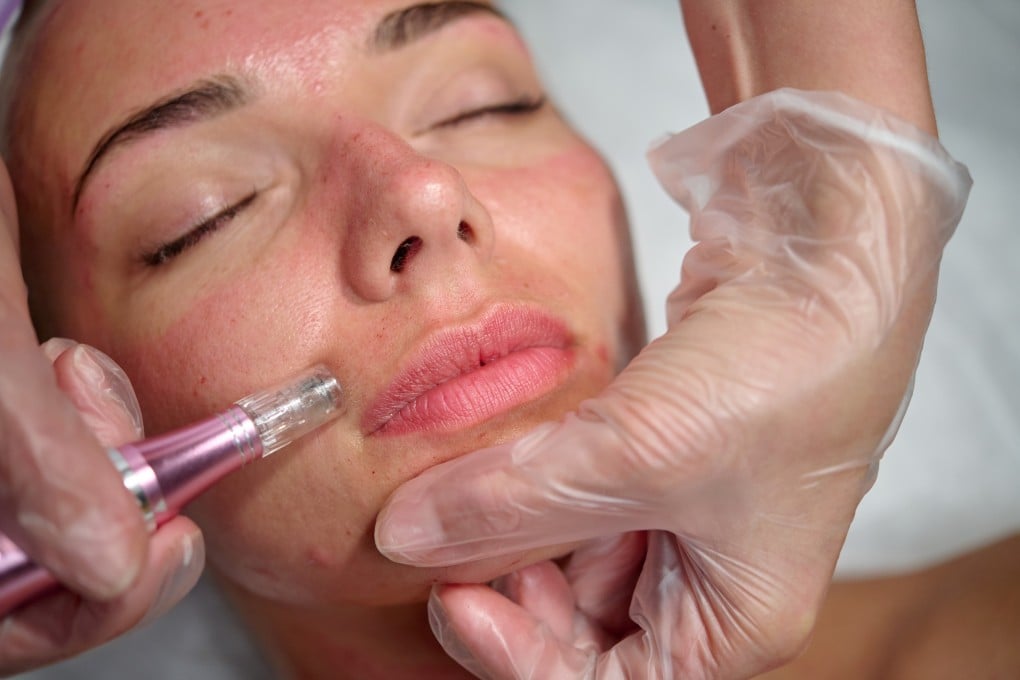
What Makes Microneedling Relevant to Acne Scars?
Microneedling is a skin-focused treatment that is often discussed in connection with concerns such as uneven texture, visible pores, and acne-related scarring. Its relevance lies in its potential to support improvements in the appearance of certain surface irregularities.
For individuals who feel self-conscious about depressed acne marks, this treatment may be worth discussing with a qualified skincare professional. However, its suitability depends on the characteristics of the scars and the overall condition of the skin.
Which Acne Scars May Benefit From Microneedling?
Not all acne scars look alike, and their characteristics influence how they may respond to different skin treatments. Microneedling is commonly considered for certain types of depressed scars, particularly those associated with uneven skin texture.
-
Rolling scars that create shallow, wavy indentations.
-
Some boxcar scars with relatively shallow depressions.
-
Mild textural irregularities associated with previous acne.
How Skin Texture Relates to Acne Scarring
Acne scars often affect more than the appearance of individual marks. They can create differences in the skin's surface, making the complexion look uneven under natural or artificial lighting.
These irregularities may become particularly noticeable when light falls across the face from certain angles. Microneedling is often discussed as a treatment option for people seeking to address these textural concerns. Its potential relevance is greater when the primary concern involves depressed scars rather than discoloration alone.
Microneedling and Uneven Skin Appearance
Uneven skin appearance can involve several different concerns, including visible indentations, rough patches, enlarged pores, and changes in pigmentation.
Although these issues may occur together, they are not identical. Acne scars involve structural changes in the skin, while post-acne discoloration refers to changes in skin color. Microneedling may be considered for selected textural concerns, but it should not be viewed as a universal solution for every mark left by acne.
Important Considerations Before Choosing Treatment
Individual skin characteristics play an important role when considering microneedling for acne scars. A person's skin type, scar depth, current acne activity, and history of skin sensitivity can influence whether the treatment is suitable. Important considerations include:
-
Whether acne is currently active or well controlled.
-
Whether the primary concern involves depressed scars or pigmentation.
-
The presence of skin irritation, inflammation, or sensitivity.
-
A history of developing raised scars or unusual skin reactions.
Microneedling for Different Skin Types
Skin types differ in their sensitivity, pigmentation tendencies, and response to irritation. These differences are particularly important when considering treatments for acne scars.
People with darker skin tones may be more susceptible to post-inflammatory hyperpigmentation, which can appear as dark marks after skin irritation or inflammation. This does not automatically make microneedling unsuitable, but it highlights the importance of individualized assessment.
Managing Expectations About Acne Scar Treatment
Microneedling should be considered as one possible option within a broader approach to skin health rather than a guaranteed solution for acne scars. The appearance of scars can vary considerably between individuals, and some types of scarring are more challenging to address than others.
Deep indentations, raised scars, and significant pigmentation concerns may require different forms of care. Having realistic expectations helps people focus on appropriate skincare goals instead of expecting every scar to disappear completely.
Supporting Skin Health Alongside Acne Scar Care
Healthy skincare habits can complement professional guidance when managing acne scars. Useful skincare habits include:
-
Applying broad-spectrum sunscreen to help protect the skin from ultraviolet exposure.
-
Using gentle cleansers that do not leave the skin feeling excessively dry.
-
Choosing non-comedogenic moisturizers suitable for individual skin needs.
-
Avoiding picking or squeezing acne lesions, which can increase the risk of scarring.
-
Seeking appropriate care for persistent or inflammatory acne.
Final Thoughts
Microneedling may be a helpful option for individuals concerned about certain types of visible acne scars, particularly depressed marks and uneven skin texture. Its suitability depends on the nature of the scarring, individual skin characteristics, and the presence of other concerns such as active acne or pigmentation. A qualified professional can provide individualized guidance, explain potential limitations, and help determine whether microneedling aligns with a person's skin concerns and expectations.