



Recurring acne can be frustrating, particularly when blemishes continue to appear despite regular skincare and personal efforts. Persistent breakouts may affect confidence, comfort, and the overall appearance of the skin. Consulting the Best Dermatologist In Dubai can help individuals understand their recurring acne concerns and identify suitable ways to manage them. Professional dermatological guidance offers a more informed approach to understanding different acne patterns, recognizing contributing factors, and maintaining healthier skin habits.
Understanding Why Acne Keeps Returning
Acne does not always disappear permanently after occasional breakouts settle. Several factors may contribute to repeated breakouts, including:
-
Excessive oiliness and clogged pores.
-
Hormonal fluctuations.
-
Certain skincare and cosmetic products.
-
Environmental exposure and skin irritation.
-
Family history and individual skin characteristics.
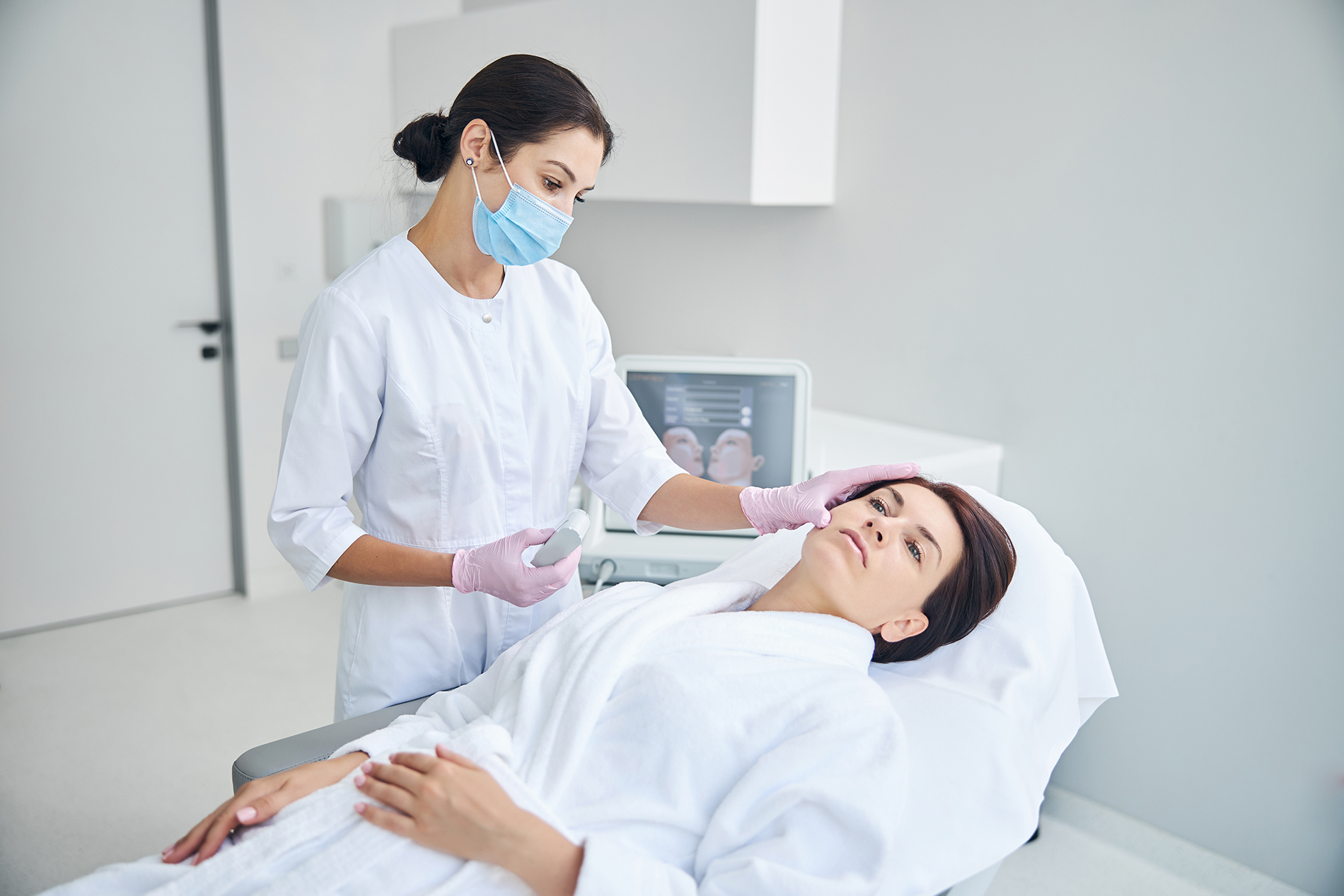
How Dermatologists Evaluate Recurring Acne
A dermatologist considers several aspects of skin health when evaluating persistent acne. Rather than treating every breakout as an identical concern, a specialist considers the appearance, location, frequency, and severity of blemishes.
This broader assessment can help distinguish between different forms of acne and identify whether other skin conditions may be contributing to similar symptoms. Professional evaluation also provides an opportunity to discuss previous skincare experiences, sensitivities, and personal concerns.
Recognizing Different Acne Patterns
Recurring acne can present differently depending on an individual's skin characteristics. Common acne patterns include:
-
Comedonal acne: Characterized by blackheads and whiteheads.
-
Inflammatory acne: Often associated with red, irritated blemishes.
-
Nodular acne: Involves deeper, firmer bumps beneath the skin.
-
Cystic acne: Associated with deeper, potentially painful acne lesions.
Identifying Factors That Trigger Repeated Breakouts
Recurring acne may be influenced by several internal and external factors. Understanding personal triggers can help individuals become more aware of their skin's changing needs. Some commonly discussed contributors include:
-
Hormonal changes associated with different life stages.
-
Stress and changes in everyday habits.
-
Heavy or pore-clogging skincare products.
-
Excessive cleansing or harsh exfoliation.
-
Friction caused by accessories or frequently touching the face.
Understanding the Connection Between Hormones and Acne
Hormonal fluctuations are a common consideration when discussing recurring acne, particularly among adults. Some individuals notice blemishes around the chin, jawline, and lower cheeks during particular stages of their hormonal cycle.
Changes associated with adolescence, menstrual cycles, and other hormonal conditions may influence acne patterns. A dermatologist can assess whether hormonal factors could be relevant and explain when additional medical evaluation may be appropriate.
Choosing Skincare That Supports Acne-Prone Skin
Daily skincare habits can influence the condition of acne-prone skin. Using products that are unsuitable for individual skin characteristics may contribute to irritation, clogged pores, or increased discomfort. Helpful skincare considerations include:
-
Choosing non-comedogenic moisturizers and cosmetic products.
-
Using gentle cleansers instead of harsh cleansing formulas.
-
Applying suitable sun protection.
-
Avoiding excessive exfoliation.
-
Maintaining regular skincare habits without frequently changing products.
Managing Acne Without Overcomplicating Skincare
Individuals dealing with recurring acne sometimes introduce multiple products in an attempt to address every visible concern. However, complicated routines can make it difficult to identify which products suit the skin.
Keeping skincare simple can be a useful approach. A consistent routine with appropriate cleansing, moisturizing, and sun protection helps support the skin barrier. Dermatological advice can also help individuals avoid unnecessary product combinations and recognize ingredients that may cause irritation.
Addressing Acne-Related Skin Sensitivity
Acne-prone skin can also experience sensitivity, dryness, redness, and irritation. These concerns may become more noticeable when individuals use several active skincare ingredients or frequently switch between different products.
A dermatologist can help distinguish acne-related inflammation from irritation caused by skincare habits. Understanding this difference is valuable because treating every red or irritated area as an acne breakout may create additional skin discomfort.
Preventing Habits That May Worsen Acne
Certain everyday behaviors can make existing acne concerns more difficult to manage. Developing greater awareness of these habits may support healthier skin maintenance. Consider avoiding:
-
Picking, squeezing, or scratching blemishes.
-
Applying heavy products that may clog pores.
-
Sleeping without removing makeup.
-
Frequently touching the face with unclean hands.
-
Using abrasive scrubs on inflamed areas.
Final Thoughts
Managing recurring acne requires an understanding of individual skin characteristics, possible triggers, and everyday skincare habits. Although occasional breakouts are common, repeated blemishes may indicate concerns that deserve professional attention. A qualified dermatologist can help identify different acne patterns, assess contributing factors, and recommend appropriate skin management strategies.