



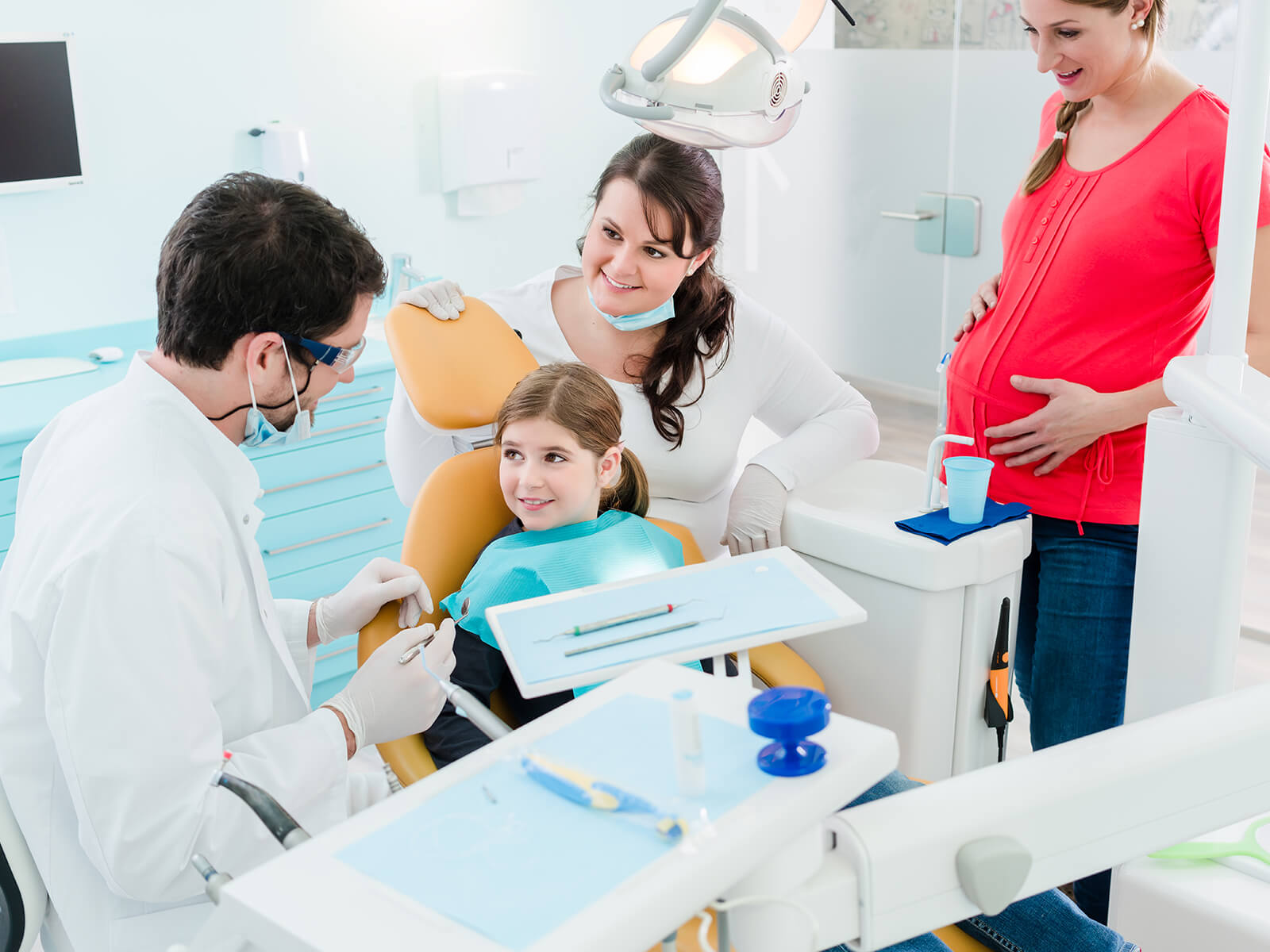
Choosing a family dentist is less about finding the office with the longest list of services and more about finding a dental team your household can work with over time. Families often have different needs at the same appointment: a child may need preventive guidance, a parent may need a filling, and another family member may need restorative or cosmetic care.
A practical choice should therefore balance clinical services with communication, preventive care, scheduling, comfort, and the needs of different age groups. Location matters, but convenience alone should not be the only deciding factor.
For families comparing providers around Milwaukee, including communities such as Milwaukee, it helps to know what questions to ask before making a long-term choice.
Begin With the Care Your Household Actually Needs
Start by listing the dental needs that matter to your family. Preventive examinations and cleanings may be the foundation, but you may also need restorative treatment, tooth replacement, cosmetic care, or children's dental services.
A practice that can address a broad range of needs may make family scheduling easier, particularly when several people need care at different times.
Think Beyond a Single Appointment
Choosing a family dentist is a long-term decision. Consider whether the office can support your family's changing needs as children grow and adults require different types of dental care.
The goal is not to predict every future treatment. It is to choose a provider whose approach can adapt as your household's dental needs change.
Preventive Care Should Be Easy to Understand
Routine dental care includes examinations, cleanings, oral hygiene guidance, and monitoring for changes. A good family practice should explain why a particular service is recommended rather than simply scheduling procedures without context.
Patients should feel comfortable asking questions about findings, treatment alternatives, and prevention.
Ask How the Practice Handles Routine Visits
Find out how appointments are structured and how often different family members are typically seen. The recommended schedule can vary according to age, oral health, risk factors, and previous dental history.
A practice should tailor preventive care rather than treating every patient exactly the same.
Consider How Children Are Treated
A family dental office may see children, but that does not automatically mean the experience will be comfortable for every child.
Ask how the dental team communicates with younger patients, how they explain procedures, and how they help children become familiar with routine dental visits.
Look for Age-Appropriate Communication
Children often need explanations that are shorter, clearer, and less technical than adults. A patient-centered dental team can adjust its communication to the child's age and comfort level.
Parents should also be able to ask questions about brushing, diet, dental development, and habits that may affect oral health.
Location Is Important, but So Is Accessibility
A convenient location can make it easier to keep regular appointments, especially for busy households. Families in the Milwaukee area may compare offices based on driving distance, parking, appointment availability, and scheduling flexibility.
Milwaukee can be a practical location for households that want a provider close to Milwaukee while maintaining access to a full range of dental care.
Consider Your Real Schedule
Think about school, work, transportation, and the times when your family is realistically able to attend appointments. An office that is convenient on a map may be less practical if appointments are difficult to schedule.
Long-term consistency matters more than choosing an office that is only convenient once.
Review the Range of Dental Services
A family dentist may provide preventive, restorative, and cosmetic care under one roof. Services can include cleanings, fillings, crowns, tooth replacement, dentures, and other treatments depending on the practice.
Having access to multiple services can simplify care when a routine examination identifies a problem requiring treatment.
Ask About Referrals for Specialized Needs
No dental practice handles every possible procedure. Ask how the office manages cases that require specialized evaluation or treatment.
A transparent referral process can be useful because it shows how the practice supports patients when care falls outside its routine scope.
Pay Attention to Communication
Communication is one of the easiest factors to overlook when comparing dental offices. You should be able to understand what the dentist recommends, why it is recommended, and what alternatives may exist.
If something is unclear, you should feel comfortable asking for an explanation.
A Good Consultation Should Feel Like a Conversation
You do not need to understand every dental term before an appointment. A dentist should be able to explain findings in language that makes sense to you.
For families, this is particularly important because parents may need to understand how to support a child's dental habits at home.
Compare the Approach to Treatment Planning
When a dental problem is found, ask how the dentist determines the appropriate treatment. Does the provider explain different options? Are risks, benefits, expected maintenance, and costs discussed?
A thoughtful treatment plan should be based on the condition of the tooth and the patient's needs rather than a one-size-fits-all recommendation.
Look at the Patient Experience
Online reviews can provide useful context, but they should not be the only factor in choosing a dentist. Look for recurring comments about communication, cleanliness, scheduling, staff interactions, and how concerns are handled.
The goal is to identify patterns rather than treating a single review as definitive.
Consider What Matters to Your Family
One family may prioritize early morning appointments. Another may care more about children's comfort or the availability of restorative treatment.
Create your own shortlist of priorities before comparing providers. That makes the decision more objective.
Cost and Insurance Questions Matter
Dental care costs can vary based on treatment type, materials, complexity, insurance benefits, and other factors. Before beginning extensive treatment, ask for an explanation of expected costs and what your insurance may cover.
A practice should be able to explain the financial side of care clearly without making cost the only consideration.
Ask About Treatment Estimates
For planned procedures, ask what is included in the estimate and whether additional treatment may be necessary.
This can help prevent confusion when comparing different dental offices.
Why Local Familiarity Can Be Valuable
A local provider can make routine care easier to maintain because the office is accessible when appointments are needed.
Families searching for a family dentist near Milwaukee, WI may also want to consider whether the practice understands the needs of patients living and working in the surrounding Milwaukee area.
A convenient local relationship can be especially useful when unexpected dental problems arise between routine appointments.
What Makes a Dental Office Feel Family-Friendly?
A family-friendly environment is not simply about having a children's corner in the waiting room. It can involve flexible communication, age-appropriate care, clear scheduling, and a willingness to answer parents' questions.
For adults, it should also mean receiving the same level of attention to diagnosis and treatment planning.
Look for Consistency Across Age Groups
A household may include toddlers, teenagers, adults, and older family members. Their needs differ, but each person should receive care appropriate to their age and dental condition.
That consistency can make a practice more useful as a long-term family provider.
When to Consider Changing Dentists
You may want to reconsider your dental provider if appointments are consistently difficult to schedule, explanations are unclear, your concerns are repeatedly dismissed, or treatment recommendations are not adequately explained.
Changing dentists is a personal decision, but you should feel confident asking questions about your oral health.
Questions to Ask Before Your First Family Appointment
Before choosing a provider, consider asking:
- What preventive services do you provide?
- Do you see children and adults?
- How do you handle dental anxiety?
- What restorative treatments are available?
- How are treatment costs explained?
- What happens if specialized care is needed?
- Hw often do you recommend routine examinations
- What should we do if a dental emergency occurs?
The answers can help you determine whether the practice fits your household.
Building a Long-Term Dental Relationship
Once you find a suitable provider, consistency becomes valuable. Regular appointments allow the dental team to become familiar with your family's dental history and changing needs.
That familiarity can make it easier to notice changes and personalize preventive advice.
For some families, a Milwaukee dentist can provide a convenient base for ongoing care while remaining accessible to the broader Milwaukee area.
Final Thoughts
Choosing a family dentist in the Milwaukee area requires more than comparing locations or selecting the first office that appears in a search. Consider preventive care, children's needs, communication, available services, scheduling, treatment planning, and financial transparency.
Families looking for a Trusted Dentist in Milwaukee, WI can use these factors to build a practical shortlist and then schedule consultations to see which office feels appropriate for their needs.
A strong family dental relationship should make it easier to maintain regular care, ask questions, address problems early, and adapt treatment as family members move through different stages of life. South Shore Dentistry & Implants is one local example patients may consider when comparing family dental care in the area.
Frequently Asked Questions
What should I look for in a family dentist?
Look for clear communication, preventive care, services for different ages, convenient scheduling, transparent treatment planning, and a comfortable environment. Your family's priorities should guide the final choice of provider. for your household.
Is it better for the whole family to use one dentist?
One family dentist can simplify scheduling and keep records within one practice, but individual needs vary. The best choice is a provider capable of meeting each family member's requirements. over time.
How often should families schedule dental checkups?
The appropriate interval depends on oral health, age, risk factors, and dental history. Your dentist can recommend a personalized schedule rather than applying one frequency to everyone. and current needs.