How to Choose a Universal Testing Machine (UTM) | ITM-LAB Guide
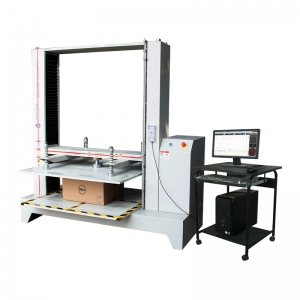
A universal testing machine (UTM) is a versatile tool for testing the strength, durability, and performance of materials and products across industries. From plastics and metals to textiles and automotive components, a UTM can perform tensile, compression, bending, and shear tests—making it a staple in labs and manufacturing facilities. But choosing the right UTM requires careful consideration of your specific testing needs. This 2... moreHow to Choose a Universal Testing Machine (UTM) | ITM-LAB Guide
A universal testing machine (UTM) is a versatile tool for testing the strength, durability, and performance of materials and products across industries. From plastics and metals to textiles and automotive components, a UTM can perform tensile, compression, bending, and shear tests—making it a staple in labs and manufacturing facilities. But choosing the right UTM requires careful consideration of your specific testing needs. This 2026 guide will help you select a UTM that delivers accurate, reliable results.
The first step is to determine your load capacity needs. UTMs come in a range of load capacities, from small benchtop models (1kN to 50kN) for lightweight materials to large floor-standing models (100kN to 1000kN) for heavy-duty testing. Consider the maximum force your samples will require—choosing a UTM with too little capacity will limit your testing, while too much capacity will waste energy and money.
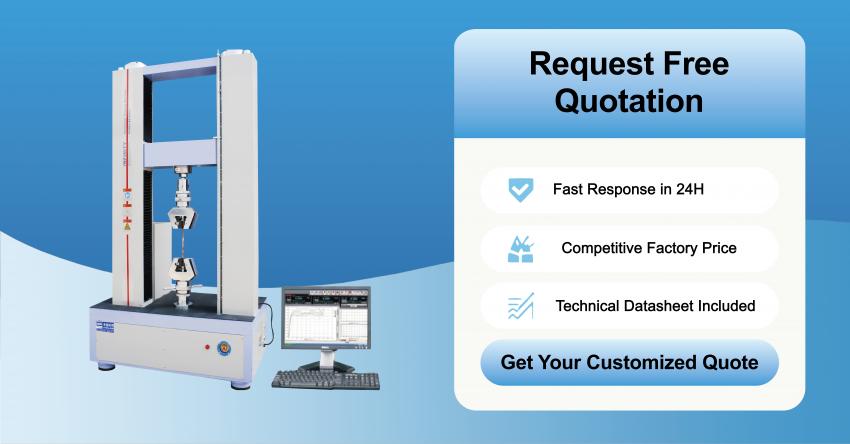
Next, define the test types you need to perform. Most UTMs can handle basic tensile and compression tests, but if you need to perform bending, shear, or fatigue tests, you’ll need additional fixtures and software. Ensure the UTM is compatible with the fixtures required for your industry—for example, automotive manufacturers may need fixtures for testing automotive components, while textile manufacturers will need fixtures for fabric testing. ITM-LAB’s Universal Testing Machine offers customizable fixtures and software to support a wide range of test types.
Consider the accuracy and precision of the UTM. Look for a machine with high load accuracy (≤ ±0.5%) and displacement accuracy (≤ ±0.1%) to ensure reliable test data. The control system should be user-friendly, with programmable test sequences, data logging, and real-time graphing. Additionally, look for a UTM with a durable frame and high-quality load cell—these components directly impact the machine’s longevity and performance.
Finally, check compliance with industry standards (ASTM E8, ISO 6892) and consider after-sales support. A reputable manufacturer will offer calibration services, technical support, and training to help you get the most out of your UTM. By focusing on load capacity, test types, accuracy, and support, you’ll choose a UTM that meets your testing needs and delivers value for years to come.
ISTA 3A is a widely recognized standard for testing e-commerce packaging, designed to simulate the rigors of small parcel shipping. If you sell products online, passing ISTA 3A testing is...