








Pyoderma is one of the most common bacterial skin conditions affecting dogs. The term “pyoderma” literally means “pus in the skin” and is used to describe bacterial infections that involve the superficial, superficial-deep, or deep layers of canine skin. While pyoderma itself is not a single disease, it is typically a manifestation of underlying issues such as allergies, hormonal imbalances, parasites, or immune system dysfunction. Understanding the symptoms of pyoderma in dogs is essential for early detection, effective treatment, and prevention of recurrence.
Understanding Canine Pyoderma
In most cases, canine pyoderma is caused by opportunistic bacteria, particularly Staphylococcus pseudintermedius, which normally reside on a dog’s skin without causing harm. When the skin barrier is compromised due to excessive moisture, scratching, inflammation, or trauma these bacteria can multiply and lead to infection. Pyoderma can affect dogs of any breed or age, though certain breeds with skin folds or dense coats may be more predisposed.
The clinical signs of pyoderma vary depending on the depth and severity of the infection. However, there are several hallmark symptoms that pet owners and veterinary professionals should be aware of.
Common Symptoms of Pyoderma in Dogs
1. Redness and Inflammation of the Skin
One of the earliest and most noticeable signs of pyoderma is erythema, or reddening of the skin. The affected area may appear inflamed, warm to the touch, and sensitive. This redness is often localized but can spread if the infection progresses.
2. Pustules and Pimples
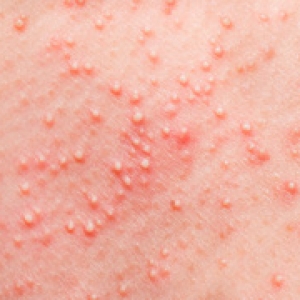
Superficial pyoderma frequently presents with small pustules pus-filled bumps that resemble pimples. These lesions may rupture, leaving behind circular crusts or scaly patches. In short-haired dogs, these pustules are often easier to observe.
3. Hair Loss (Alopecia)
Hair loss around the infected area is another common symptom. The alopecia may be patchy or widespread, depending on the severity of the infection. Often, hair loss occurs in a circular pattern around lesions, giving the skin a moth-eaten appearance.
4. Crusting and Scaling
As pustules rupture and heal, they commonly form crusts or scabs. Flaking and scaling of the skin may also occur, particularly in chronic or recurrent cases. This can sometimes be mistaken for dandruff but is usually accompanied by other signs of infection.
5. Itching and Scratching
Pruritus, or itching, is a frequent symptom of pyoderma. Dogs may scratch, lick, or chew excessively at the affected areas, which can further damage the skin and exacerbate the infection. In severe cases, self-trauma may lead to secondary wounds.
6. Oozing or Moist Lesions
In more advanced or deep pyoderma, lesions may ooze pus or serous fluid. These moist, painful sores can emit an unpleasant odor and are often associated with significant discomfort for the dog.
7. Hyperpigmentation and Skin Thickening
Chronic or untreated pyoderma can result in long-term skin changes. The skin may become darker (hyperpigmented), thickened, and leathery in texture. These changes are commonly seen in dogs with recurrent infections linked to underlying conditions.
8. Foul Odor
A strong, unpleasant smell is often associated with bacterial skin infections. This odor is caused by bacterial byproducts and is particularly noticeable in deep or moist lesions.
Symptoms Based on the Depth of Infection
Pyoderma is generally classified into three categories, each with distinct clinical features:
-
Surface pyoderma: Affects the outermost layer of skin and includes conditions such as hot spots (acute moist dermatitis). Symptoms include redness, moisture, and rapid hair loss.
-
Superficial pyoderma: Involves the epidermis and hair follicles, characterized by pustules, papules, crusts, and alopecia.
-
Deep pyoderma: Penetrates deeper skin layers and may cause nodules, ulcers, draining tracts, swelling, and pain.
The deeper the infection, the more severe and systemic the symptoms may become.
When to Seek Veterinary Attention
Any persistent skin abnormality especially those involving pus, significant hair loss, or discomfort should prompt veterinary evaluation. Early diagnosis allows for targeted treatment and reduces the risk of chronic skin disease. Veterinarians typically diagnose pyoderma through physical examination, cytology, and, in some cases, bacterial culture.
Treatment Considerations and the Role of Antibiotics
Treatment of pyoderma depends on its severity and underlying cause. Mild cases may respond to topical therapies, while moderate to severe infections often require systemic antibiotics. Cephalexin is one of the most commonly prescribed antibiotics in veterinary dermatology due to its effectiveness against Staphylococcus species.
From a pharmaceutical supply perspective, veterinary clinics and distributors often work with a cephalexin capsules wholesaler to ensure consistent availability of this medication for canine patients. Reliable sourcing is particularly important in cases of recurrent pyoderma, where extended treatment courses may be necessary under veterinary supervision.
It is important to emphasize that antibiotics should only be used as prescribed by a licensed veterinarian, and full treatment courses should be completed to reduce the risk of antimicrobial resistance.
Preventing Recurrence
While treating the bacterial infection is critical, long-term management focuses on addressing the underlying causes. This may include allergy management, parasite control, hormonal testing, dietary adjustments, and routine skin care. Regular bathing with medicated shampoos and ongoing veterinary monitoring can significantly reduce recurrence rates.
Conclusion
Pyoderma in dogs is a multifaceted condition with a wide range of symptoms, from mild redness and itching to severe, painful lesions. Early recognition of signs such as pustules, hair loss, crusting, and foul odor is essential for prompt intervention. With appropriate veterinary care, including accurate diagnosis, targeted treatment, and management of underlying causes, most dogs recover well.
Understanding the symptoms not only helps pet owners seek timely care but also supports veterinary professionals and suppliers such as those working with a cephalexin capsules wholesaler in ensuring effective treatment options remain accessible. Ultimately, proactive skin health management is key to improving quality of life for dogs affected by pyoderma.