






Prioritizing Comfort in Pediatric Birthmark Care
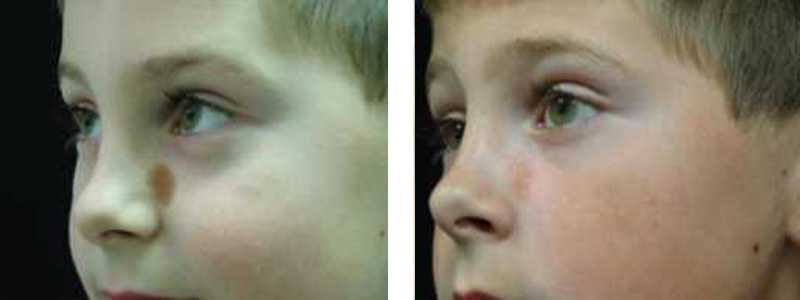
Deciding to pursue birthmark removal in Dubai for a child is a decision rooted in both medical necessity and future self-confidence. Whether addressing a fast-growing strawberry hemangioma or a prominent café-au-lait spot, the clinical priority is always the same: maximum efficacy with minimum distress. In clinical settings, we observe that early intervention is often physically easier, as younger skin is more resilient and the birthmarks are typically smaller. By utilizing "gentle-pulse" technologies and specialized pediatric protocols, we can achieve significant fading while ensuring the experience is non-traumatic for both the child and the parents.
The Clinical Logic of Early Intervention
From a medical perspective, treating certain birthmarks—particularly vascular ones—during infancy or early childhood prevents potential complications. Hemangiomas, for example, can ulcerate or interfere with vision if left unchecked. We use specialized pediatric laser settings that deliver energy in "micro-bursts." This allows the target (pigment or vessel) to be treated while the surrounding skin remains cool. This "tissue-sparing" approach is essential for children, whose skin is thinner and more delicate than that of an adult.
Comparison: Common Pediatric Birthmarks and Treatment Goals
| Birthmark Type | Best Age to Start | Clinical Objective | Procedure Feel |
| Hemangioma | 3–6 Months | Stop growth & fade color | Cool "sprays" and snaps |
| Café-au-Lait | 2+ Years | Clear the pigment "sheet." | Quick, light tapping |
| Port-Wine Stain | Infancy/Toddler | Prevent darkening/thickening | Rhythmic, warm snaps |
| Salmon Patch | 1+ Year (if persistent) | Erase residual pinkness | Mild warmth |
Is Birthmark Removal Painful for Children?
How do you ensure a child doesn't feel pain during the laser session?
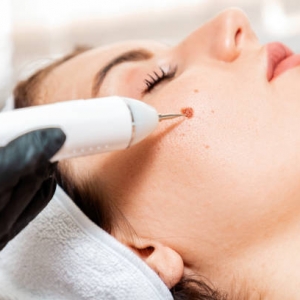
We utilize a multi-layered comfort protocol. This begins with a pH-neutral, high-potency numbing cream applied 60 minutes prior to the session. During the treatment, we use integrated "cryogen cooling," which sprays a cold mist onto the skin milliseconds before the laser fires. This virtually eliminates the "sting," leaving the child feeling only a light touch or a cool sensation.
Based on post-procedure follow-ups, the "fear of the unknown" is usually more significant than the physical sensation. What feels "easy" is the speed; a small birthmark can often be treated in under 60 seconds. We use distraction techniques and a calm, professional environment to ensure the child remains relaxed throughout the brief application.
"I was so worried about my son's hemangioma. The team at Tajmeels was so patient. He didn't even cry during the treatment because the cooling spray numbed it so well. It’s such a relief to see it fading." — Fatima
The Gentle Recovery Timeline
What should parents expect during the first week after a child’s session?
The recovery for children is typically faster than for adults due to their rapid cell turnover. For pigmented marks, the area may look like a light "cat scratch" for 3 to 5 days. For vascular marks, some minor greyish bruising is normal. Most children can return to nursery or school the very next day.
In clinical practice, we recommend a simple "Hands-Off" aftercare routine:
-
Days 1–3: Apply a sterile, bland emollient twice daily. This keeps the skin barrier flexible.
-
Days 4–7: Any light crusting will flake off naturally during bath time. Parents must not scrub the area.
-
Week 2: The skin appears fresh and slightly pink.
-
Ongoing: Strict sun protection is mandatory, as healing pediatric skin is highly sensitive to the Dubai UV index.
Who Should Oversee a Child's Removal Journey?
What safety protocols are unique to pediatric patients?
Pediatric birthmark removal requires a diagnostic-first philosophy that involves mapping the birthmark’s growth. We coordinate with pediatricians to ensure the birthmark isn't part of a wider systemic syndrome. Safety also involves "test spots"—treating a tiny, hidden area first to see how the child's skin reacts before proceeding with the full lesion.
In the Dubai climate, "environmental safety" is the biggest hurdle. We advise parents that children must wear UV-protective clothing or a "patch" over the treated area when outdoors. Because children's skin is more prone to Post-Inflammatory Hyperpigmentation (PIH), we prioritize lower-energy, more frequent sessions over aggressive single treatments to ensure a scar-free finish.
Why Early Treatment Often Leads to Better Results
Does the birthmark grow as the child grows?
Yes, most congenital birthmarks grow in proportion to the child's body. By treating them early, we are working on a smaller surface area, which requires fewer laser pulses and less total energy. This "early-start" approach often results in more complete clearance and a more natural skin texture in the long term.
What feels "tolerable" to parents is the gradual improvement. It is a journey of fading, not a single-day event. We observe that children who have their birthmarks treated early often avoid the social self-consciousness that can develop as they reach school age, making the clinical journey an investment in their emotional well-being.
"My daughter had a Port-Wine Stain on her forehead. We started treatments when she was two. Now that she's starting school, it’s almost invisible. I’m so glad we didn't wait." — Zain
Frequently Asked Questions
-
Is the laser safe for a child’s developing skin?
Yes. The lasers we use are "non-ionizing," meaning they do not carry the risks associated with X-rays or UV radiation. They only target color (melanin or blood).
-
Will the child need to be sedated?
For very small birthmarks, topical numbing is usually sufficient. For very young children with large birthmarks who cannot stay still, we discuss mild sedation options in a controlled clinical setting.
-
How many sessions are typically needed?
Children usually require 5 to 10 sessions, depending on the depth and color of the mark.
-
Can the birthmark "come back" as they hit puberty?
Most birthmarks stay gone once cleared. However, vascular marks can sometimes darken slightly due to hormonal surges during puberty, which may require a single "touch-up" session.
-
How soon can my child go swimming?
We recommend waiting 5 to 7 days until the skin has fully "sealed" to avoid irritation from chlorine or salt water.
Why Choose Tajmeels Clinic for Your Child?
At Tajmeels Clinic, we believe pediatric care requires a special touch. We specialize in birthmark removal in Dubai for children by combining a diagnostic-first philosophy with a warm, empathetic environment. Our clinicians are experts in pediatric laser parameters, utilizing the gentlest technologies available to ensure your child’s safety and comfort. We provide parents with clear, clinical guidance and support at every step, ensuring the journey to clear skin is a positive experience for the whole family.