


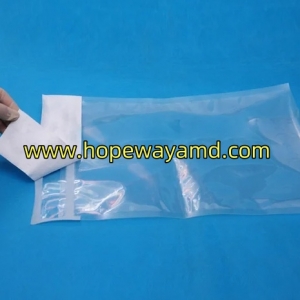
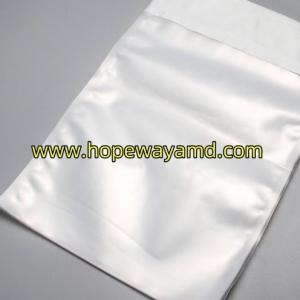

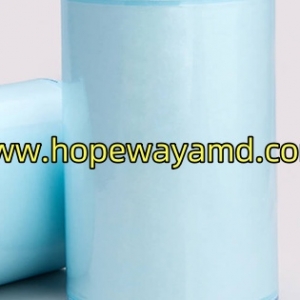
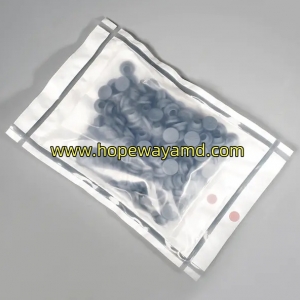





Tyvek Roll Stock is widely used in sterile barrier packaging for healthcare products, and Hopeway AMD provides packaging materials designed to align with medical device packaging workflows. In environments where sterility and product protection are important considerations, packaging materials must balance durability, permeability, and adaptability. Roll-based materials are commonly selected because they allow manufacturers to create packaging formats that suit different device shapes and sizes.
Medical device packaging is not only about enclosing a product. It also supports sterilization processes and maintains protection during storage and distribution. Materials designed for sterile barrier systems allow sterilizing agents to penetrate during processing while helping maintain the protective barrier afterward. This balance is essential for ensuring that packaged devices remain ready for use when they reach clinical environments.
Roll stock formats are particularly useful in automated and semi-automated packaging lines. Manufacturers often require materials that can integrate smoothly with forming, sealing, and cutting equipment. Consistent material structure allows packaging operations to maintain steady production flow while preparing sterile barrier pouches or lids. When packaging materials work reliably with equipment, production teams can focus on maintaining process control and product handling standards.
Another advantage of roll-based packaging materials lies in their adaptability. Medical devices vary widely in form, ranging from compact components to larger assembled instruments. Roll stock allows packaging engineers to design package dimensions that suit the product rather than forcing the product into predetermined packaging sizes. This approach helps maintain efficient material use and organized product presentation.
In addition to device manufacturers, sterile barrier materials are used by contract packaging providers and healthcare supply companies. Each organization may have unique packaging needs depending on product categories and sterilization methods. Materials designed for compatibility with widely used sterilization processes can help maintain consistency across these different applications.
Visual clarity can also play a role in medical packaging. Transparent film layers combined with breathable materials allow packaging staff and healthcare professionals to identify packaged items before opening. This feature supports inventory management, inspection procedures, and preparation in clinical settings where quick identification of tools and devices is helpful.
Transportation and storage are additional stages where packaging materials contribute to product protection. Medical devices often travel through distribution channels before reaching healthcare facilities. Packaging that maintains structural stability during handling can help reduce unnecessary stress on packaged products. Consistent packaging also assists with organized storage within warehouses and clinical supply rooms.
As healthcare technology evolves, packaging materials continue to adapt to new device designs and sterilization requirements. Roll-based sterile barrier materials remain a practical option for manufacturers seeking flexible packaging formats that integrate with production workflows.
If you are curious about how sterile packaging materials are shaping modern medical device preparation, a deeper look is only a click away. Visit https://www.hopewayamd.com/news/industry-news/tyvek-roll-stock-a-highperformance-material-for-medical-packaging.html and see what insights might be waiting on the next page.