







In the world of numismatics, precision and detail are everything. Collectors and hobbyists alike understand that the value and authenticity of a coin often lie in the smallest engravings and subtle marks that are invisible to the naked eye. This is where a coin microscope becomes an indispensable tool. Unlike standard magnifying glasses, coin microscopes provide a high level of clarity and magnification, allowing enthusiasts to inspect intricate details with exceptional accuracy. With advancements in technology, these devices have become more accessible, offering both amateurs and professionals the ability to explore coins like never before.
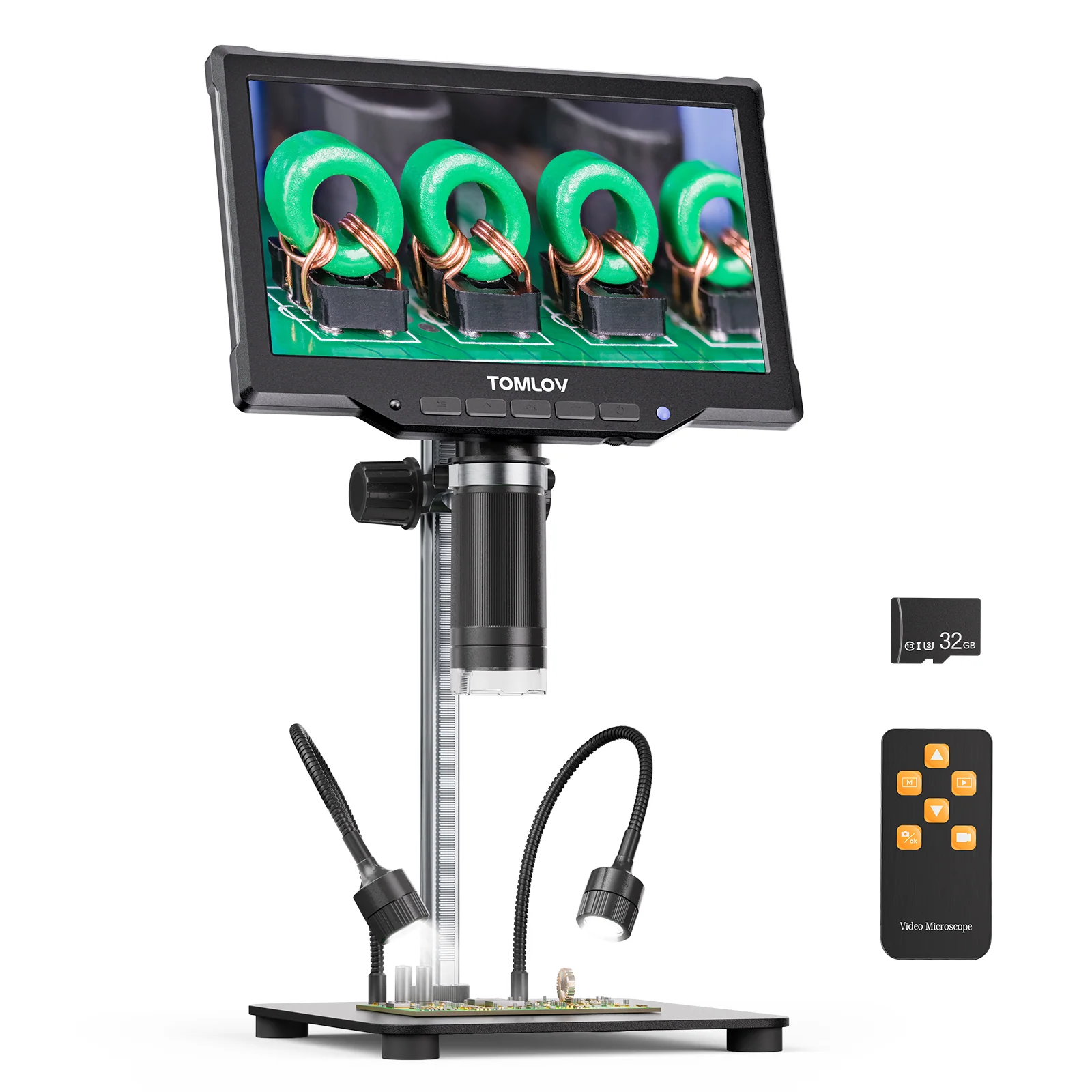
Can a Coin Microscope Enhance Numismatic Study?
A coin microscope is specifically designed to examine coins with extreme precision. Traditional methods, such as using hand-held magnifiers or simple optical lenses, often fall short in revealing minute imperfections, die cracks, or micro-details that can significantly affect a coin's grading and valuation. With modern coin microscopes, users can achieve magnifications ranging from 20x to over 200x, enabling them to observe details that are otherwise invisible.
These microscopes often come with built-in LED lighting systems, which eliminate shadows and provide uniform illumination across the coin’s surface. This is particularly important when evaluating coins with reflective finishes, such as proof coins, where light reflection can obscure fine details. By using a coin microscope, collectors can authenticate coins more reliably, detect signs of wear or corrosion, and identify unique characteristics that add to the coin’s rarity and historical value.
Can Digital Coin Microscopes Improve Documentation?
With the integration of digital technology, coin microscopes have evolved beyond simple magnification. Digital coin microscopes allow users to capture high-resolution images and videos of coins, which can be stored for personal records or shared with other collectors and experts for consultation. This feature is particularly valuable for auction houses, numismatic dealers, and grading services, where accurate visual documentation is essential for certification and sales.
Moreover, digital microscopes often include software that enables measurements of coin dimensions, surface analysis, and comparison with reference databases. This not only improves the accuracy of coin evaluation but also enhances the study of historical patterns, mint marks, and production variations. For collectors aiming to maintain detailed records, a digital coin microscope becomes a crucial asset for cataloging and preserving their collection.
Can a Coin Microscope Serve Educational and Research Purposes?
Beyond personal collection, coin microscopes are increasingly used in educational and research contexts. Universities, museums, and numismatic societies employ these devices to study ancient and rare coins. Detailed examination using a microscope can reveal subtle clues about the coin’s origin, manufacturing techniques, and historical context. Researchers can analyze wear patterns to understand circulation history or detect chemical traces that indicate the coin’s composition.
Additionally, coin microscopes support the training of aspiring numismatists. Learning to identify subtle differences between coins, spotting forgeries, and understanding minting errors all require visual precision that is impossible without magnification tools. This makes the coin microscope not just a collector’s device but also a critical educational instrument in the study of numismatics.
Can Investing in a Coin Microscope Benefit Collectors Long-Term?
Investing in a coin microscope is more than acquiring a high-powered magnifier; it’s a step toward professional-level coin examination and preservation. For collectors, the ability to discern authentic coins from counterfeits ensures the integrity and value of a collection. For dealers and investors, detailed inspections can prevent costly mistakes and enhance market credibility.
In addition, regular use of a coin microscope can help maintain coins in optimal condition. By identifying early signs of tarnishing, corrosion, or physical damage, collectors can take preventive measures to protect their valuable assets. This proactive approach not only preserves the monetary worth of coins but also safeguards their historical and aesthetic significance for future generations.
Conclusion
A coin microscope is an essential tool for anyone serious about coin collection, study, or research. It offers unparalleled magnification, lighting, and digital capabilities, enabling users to explore coins in exquisite detail. From enhancing numismatic study to improving documentation and supporting educational research, the benefits of a coin microscope extend far beyond casual inspection. For collectors and professionals alike, investing in a high-quality coin microscope is a step toward ensuring precision, authenticity, and long-term preservation of their coin collections.