




Introduction
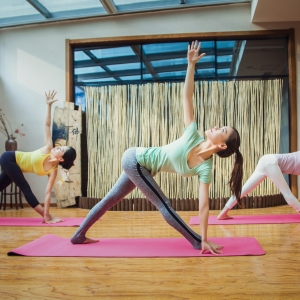
Ashtanga Yoga is a powerful and structured form of yoga that integrates breath, movement, and a fixed sequence of postures. At the heart of this practice lies the concept of vinyasa, which refers to the synchronized flow between poses using breath. The ashtanga yoga vinyasa sequence is designed to build internal heat, purify the body, and develop strength, flexibility, and mental focus.
Unlike free-flowing styles, Ashtanga follows a set progression of poses, making it ideal for those who appreciate discipline and consistency in their practice.
What is the Ashtanga Yoga Vinyasa Sequence?
The term “vinyasa” in Ashtanga yoga refers specifically to the linking movements that connect one posture to another. Each movement is guided by breath—inhale or exhale—creating a rhythmic and meditative flow.
Every pose in the sequence is connected through a vinyasa transition, typically involving:
- Plank Pose
- Chaturanga Dandasana
- Upward-Facing Dog
- Downward-Facing Dog
This repetition builds strength and endurance while maintaining continuity throughout the practice.
Core Elements of Ashtanga Yoga
1. Breath (Ujjayi Pranayama)
Controlled breathing is essential. It regulates energy, maintains rhythm, and supports deeper focus.
2. Drishti (Gaze)
Each pose has a specific focal point, helping to improve concentration and mental clarity.
3. Bandhas (Energy Locks)
Internal locks like core engagement help stabilize the body and control energy flow.
4. Vinyasa (Flow)
The continuous movement between poses creates heat and detoxifies the body.
Structure of the Ashtanga Yoga Vinyasa Sequence
1. Sun Salutations (Surya Namaskar A & B)
The practice begins with Sun Salutations to warm up the body. These sequences establish the breath-movement connection and prepare muscles for deeper work.
2. Standing Poses
Standing postures build strength, balance, and flexibility. They also improve alignment and stamina.
3. Seated Poses
This section focuses on forward bends, twists, and hip openers, helping to release tension and improve flexibility.
4. Finishing Sequence
The practice ends with backbends, inversions, and relaxation poses, allowing the body to cool down and restore balance.
Benefits of Ashtanga Yoga Vinyasa Sequence
1. Builds Strength and Endurance
The repetitive vinyasa transitions strengthen the upper body, core, and legs.
2. Improves Flexibility
Consistent practice gradually opens tight muscles and joints.
3. Enhances Focus and Discipline
Following a fixed sequence develops mental clarity and self-discipline.
4. Detoxifies the Body
The heat generated through continuous movement helps eliminate toxins.
5. Promotes Emotional Balance
The meditative aspect of breath and movement reduces stress and anxiety.
How Vinyasa Works in Ashtanga Yoga
In Ashtanga yoga, vinyasa is not just a transition—it is a core principle. Each movement is counted and synchronized with breath. For example:
- Inhale: Lift or expand
- Exhale: Fold or contract
This structured breathing pattern creates a steady rhythm, turning the practice into a moving meditation.
Tips for Practicing Ashtanga Vinyasa Sequence
Start Slowly
Beginners should begin with shorter sequences and gradually increase intensity.
Focus on Breath
Maintain steady breathing throughout the practice to avoid fatigue.
Learn the Sequence
Since Ashtanga follows a fixed pattern, memorizing the sequence helps improve flow.
Practice Consistently
Regular practice is key to building strength and flexibility.
Listen to Your Body
Avoid pushing beyond your limits to prevent injuries.
Common Mistakes to Avoid
- Skipping Vinyasa Transitions: These are essential for building strength and maintaining rhythm.
- Holding Breath: Always synchronize breath with movement.
- Rushing Through Poses: Focus on control and alignment instead of speed.
- Ignoring Recovery: Rest and relaxation are equally important.
Ashtanga vs Vinyasa Yoga: Key Difference
While both styles involve flowing movements, there is a key distinction:
- Ashtanga Yoga: Fixed sequence, disciplined, structured progression
- Vinyasa Yoga: Flexible sequences, creative and varied flows
This makes Ashtanga ideal for those who prefer consistency, while vinyasa suits those who enjoy variety.
Who Should Practice Ashtanga Yoga?
Ashtanga yoga is suitable for individuals who:
- Prefer structured routines
- Want to build physical strength and stamina
- Seek a disciplined and focused practice
However, beginners or those with injuries should practice under guidance.
Conclusion
The ashtanga yoga vinyasa sequence is a powerful practice that combines structure, breath, and movement into a transformative experience. By following a fixed sequence and synchronizing each movement with breath, practitioners can develop strength, flexibility, and mental clarity.
With regular practice, Ashtanga yoga becomes more than just a physical exercise—it evolves into a meditative discipline that nurtures both body and mind. Whether you are looking to improve fitness, enhance focus, or deepen your yoga journey, the ashtanga vinyasa sequence offers a complete and holistic path to well-being.